 Español
 Français
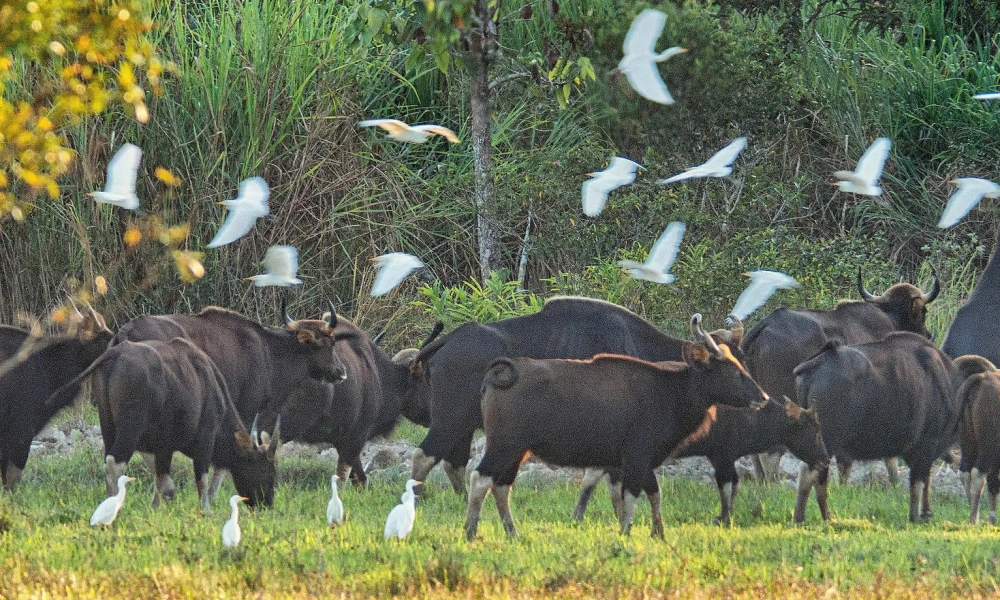
Wildlife in Vietnam: Animals You Can See When Traveling in Vietnam
- on Feb 23, 2026 By: Thai An Le
Vietnam is one of Southeast Asia’s most biodiverse countries, offering extraordinary opportunities for nature lovers. From tropical rainforests and limestone mountains to vast deltas and coral-rich islands, wildlife in Vietnam reflects the country’s diverse ecosystems and cultural heritage.
For travellers planning a nature-focused journey, there are many animals you can see in Vietnam, whether in rural villages, national parks, or marine reserves. Some species are iconic symbols of daily life, while others are rare and protected in conservation areas. This guide explores the most fascinating animals in Vietnam for tourists and how to observe them responsibly.
Based on years of designing tailor-made nature and cultural tours across the country, we have seen growing interest in ethical and sustainable Vietnam wildlife travel, especially among European and eco-conscious travellers.
Why Wildlife in Vietnam Attracts Nature Travellers
Vietnam stretches over 1,600 kilometres from north to south, creating a variety of climates and habitats. This geographical diversity allows wildlife to thrive in forests, wetlands, highlands, and coastal waters.
Travellers interested in authentic experiences often combine cultural exploration with wildlife observation, making wildlife in Vietnam an enriching addition to any itinerary.
1. Water Buffalo – A Cultural Icon of Rural Vietnam
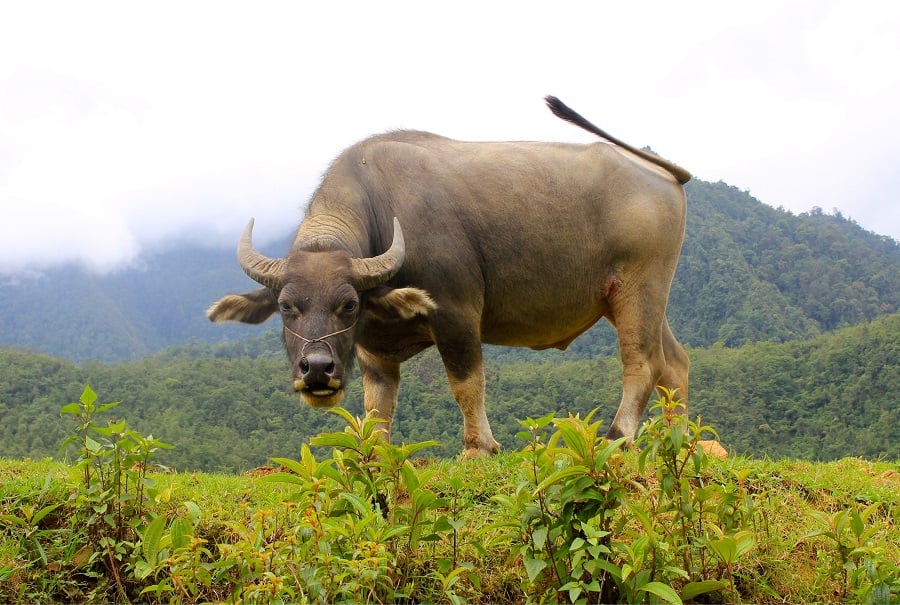
The water buffalo is one of the most recognizable animals you can see in Vietnam. Frequently spotted in rice paddies and rural villages, it plays a central role in traditional agriculture.
In destinations such as Ninh Binh, Mai Chau, and the Mekong Delta, visitors often encounter buffalo while cycling or taking boat tours.
Beyond farming, the buffalo symbolizes resilience and harmony with nature, making it both a wildlife and cultural highlight.
2. Monkeys in Vietnam’s National Parks
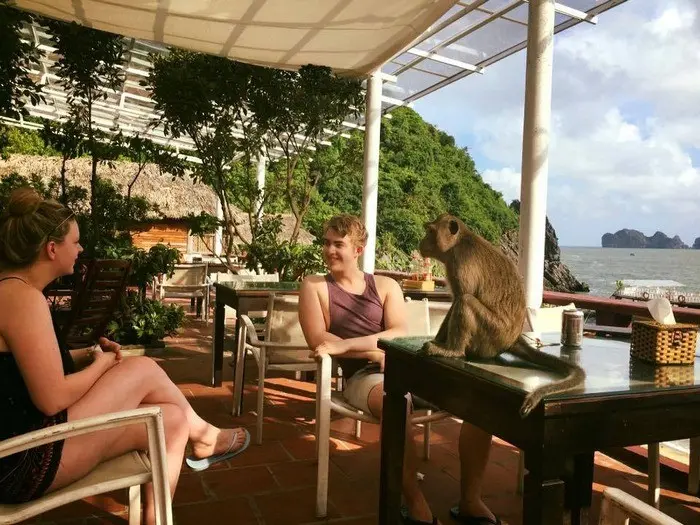
Several monkey species inhabit Vietnam’s forests. Travellers commonly see them in protected areas like Cuc Phuong National Park and Cat Ba National Park.
These animals are best observed during guided treks. Visitors should avoid feeding or approaching them, as responsible behaviour ensures safe and sustainable Vietnam wildlife travel experiences.
3. Langurs – Rare Wildlife in Vietnam
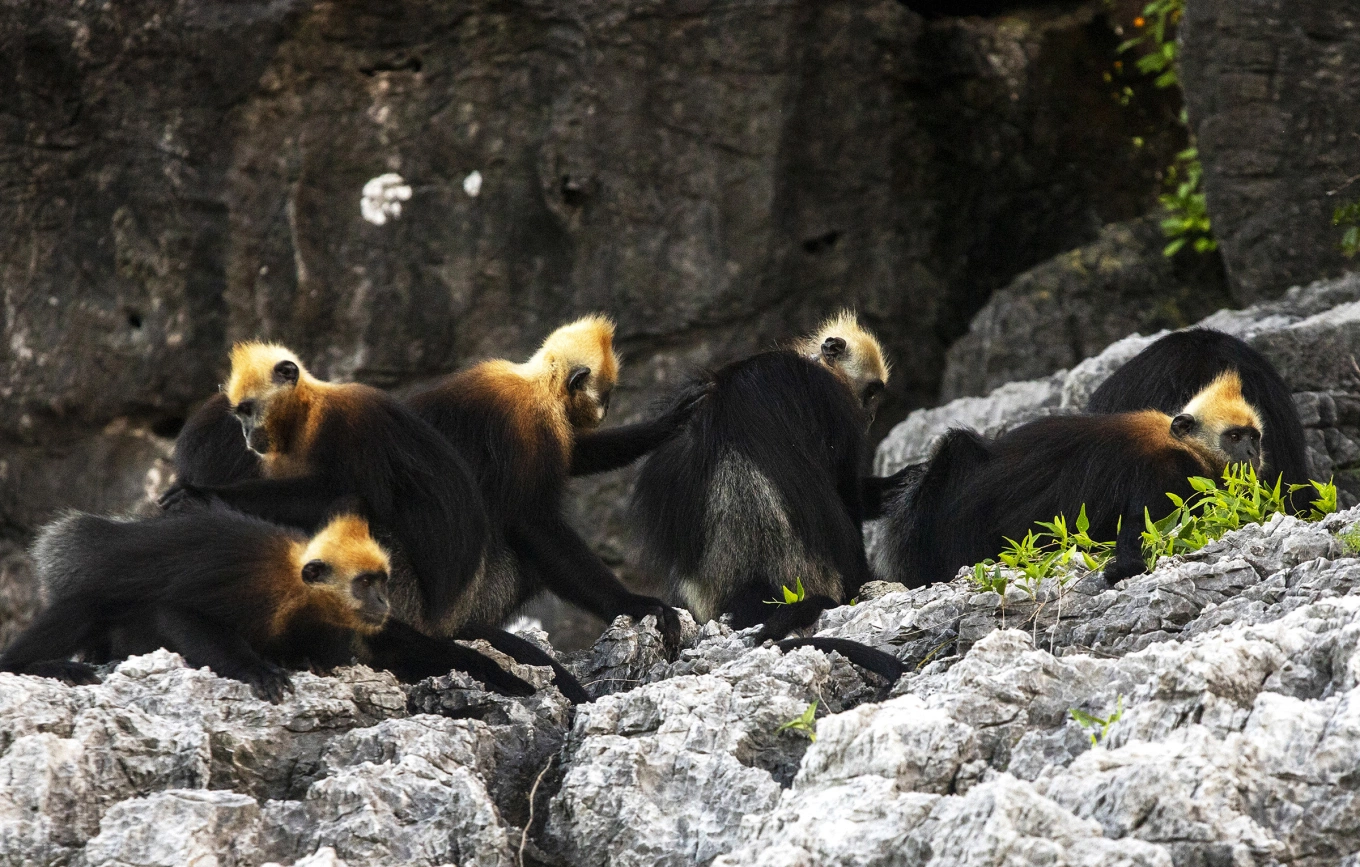
Among the rarest animals in Vietnam is the critically endangered Cat Ba langur, found only on Cat Ba Island.
This species has become a symbol of conservation efforts. Strict protection programs aim to restore its population after years of habitat loss. Observing langurs requires regulated access and guided expertise, reinforcing Vietnam’s commitment to biodiversity preservation.
Highlighting endangered species strengthens the authority and educational value of any wildlife-focused travel experience.
4. Asian Elephants in the Central Highlands
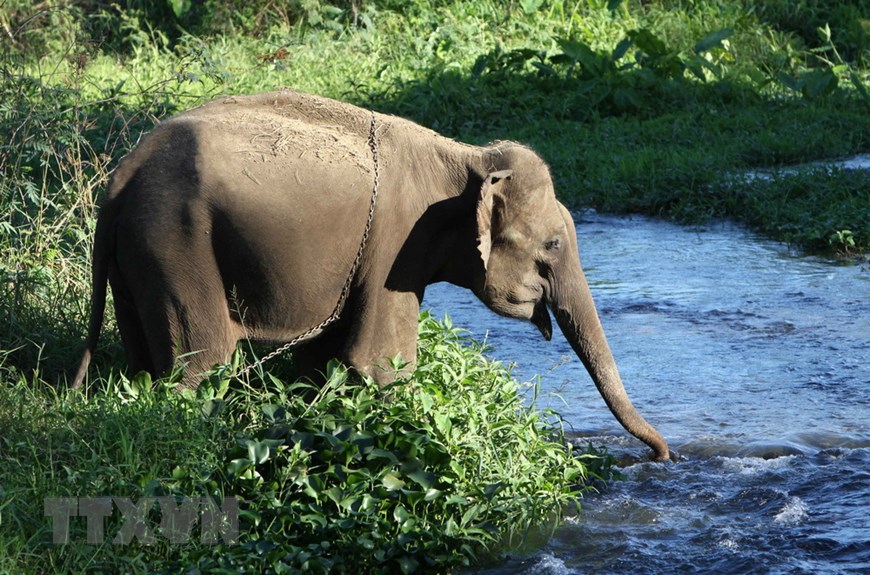
Asian elephants still inhabit parts of Vietnam, particularly near Buon Don in the Central Highlands.
Modern tourism increasingly promotes ethical elephant experiences. Instead of riding elephants, visitors are encouraged to observe them in natural environments and support conservation initiatives.
Choosing ethical operators is essential for sustainable animal welfare in Vietnam for tourists' experiences.
5. Dolphins and Marine Wildlife
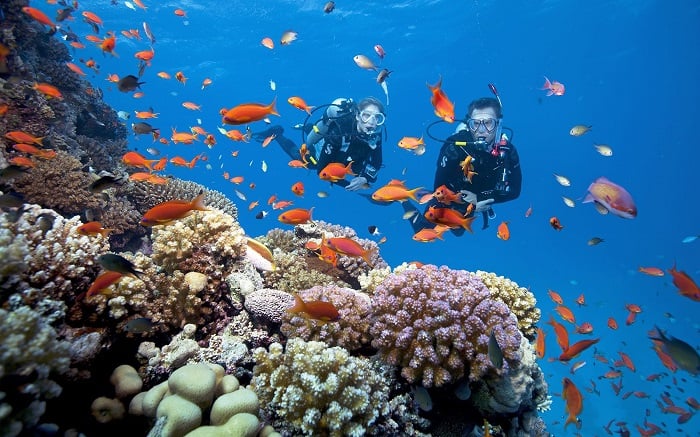
Vietnam’s extensive coastline supports rich marine ecosystems. In island destinations such as Phu Quoc and Con Dao, travellers may encounter dolphins, coral reefs, and diverse marine life.
Snorkelling and diving tours provide opportunities to observe underwater biodiversity responsibly. Marine wildlife adds a unique dimension to wildlife in Vietnam, especially for coastal explorers
6. Colourful Birds in Vietnam
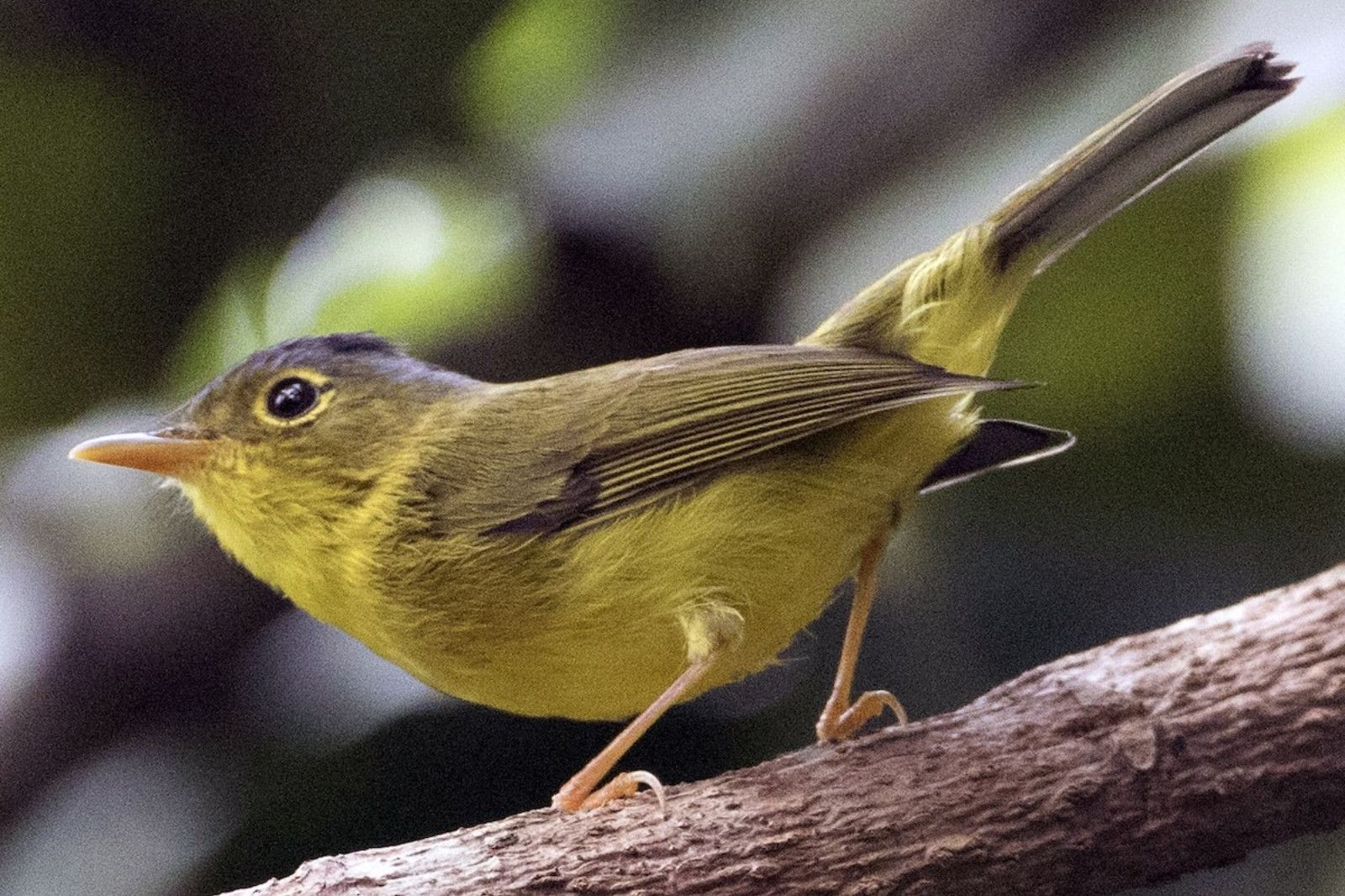 Vietnam is also a rewarding destination for birdwatchers. The country’s varied geography supports hundreds of bird species across wetlands, forests, and mountain regions.
Protected areas such as Phong Nha-Ke Bang National Park and Tram Chim National Park are known for rich birdlife.
From bright kingfishers to rare hornbills, Vietnam’s avian diversity highlights the ecological richness that makes the country a compelling destination for nature enthusiasts.
Is It Safe to Experience Wildlife in Vietnam?
Yes, wildlife in Vietnam is generally safe to observe when visiting national parks and conservation areas with licensed guides.
For safe and responsible experiences:
- Maintain a respectful distance
- Do not feed or touch wild animals
- Follow park regulations
- Choose ethical and licensed tour operators
Responsible travel practices protect both visitors and ecosystems.
Frequently Asked Questions About Wildlife in Vietnam
What animals can tourists see in Vietnam?
Tourists can see water buffalo, monkeys, langurs, elephants, dolphins, and a wide variety of bird species. Wildlife sightings depend on location and season.
Where is the best place to see wildlife in Vietnam?
National parks such as Cuc Phuong National Park and island areas like Con Dao offer strong wildlife observation opportunities.
What is the best time to travel to Vietnam for wildlife?
The dry season from November to April is generally ideal for trekking and wildlife viewing in many regions.
Are wildlife tours in Vietnam ethical?
Many tour operators now promote ethical wildlife observation. Travellers should avoid activities involving animal exploitation and choose conservation-focused experiences.
Conclusion
From rice-field buffalo to endangered langurs and marine dolphins, wildlife in Vietnam showcases the country’s extraordinary ecological diversity. Discovering the many animals you can see in Vietnam adds depth, authenticity, and meaning to any journey.
For travellers interested in responsible and sustainable Vietnam wildlife travel, choosing the right itinerary and ethical experiences is essential. Observing animals in Vietnam for tourists should always go hand in hand with conservation awareness and respect for local ecosystems.
At Authentik Vietnam, we design tailor-made journeys that combine culture, nature, and responsible wildlife experiences. Whether you are exploring national parks, rural villages, or coastal islands, our team ensures that your encounter with Vietnam’s wildlife is both enriching and sustainable.
Related Articles:
Vietnam Travel in March 2026: 3 Best Places to Visit & Unique Seasonal Experiences
What to see in Kontum, the amazing land of the Central Highlands?
Adventure Activities in Cat Ba Island
3 days in Quang Binh and Phong Nha Ke Bang
Share


Comment
Other Blog





Categories
Latest News


on 12 Jun, 2019



MichaelGuiffSH
on Oct 8, 2026BetongameCZ
on Sep 24, 2026Langsweirt Galliane
on Sep 21, 2026Victoria Duncan
on Sep 1, 2026Kaushik Ghosh
on Aug 30, 2026