 Español
 Français
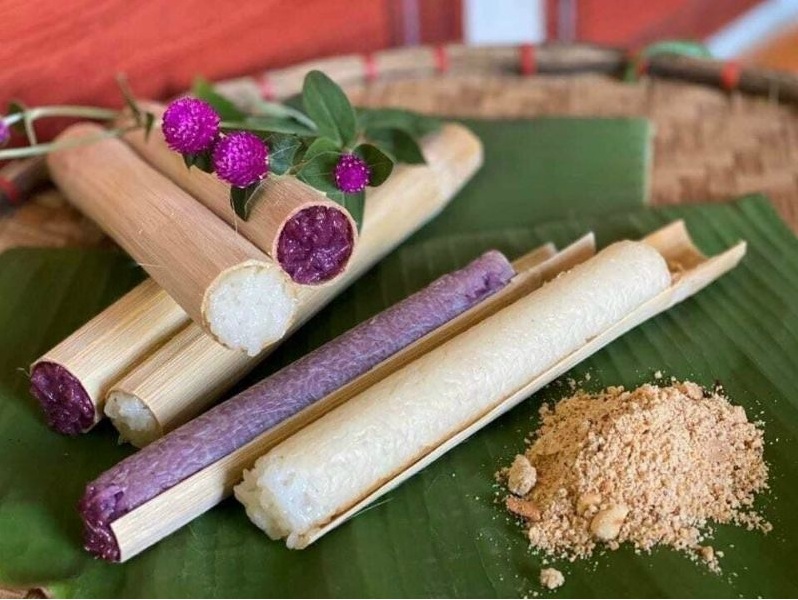
Cơm lam of the Northwest (Vietnam) – When a simple grain of rice tells the soul of the mountains
- on Jan 15, 2026 By: Trang Nhung NGUYEN
There are scents in the mountains of northwestern Vietnam that one never forgets. The smell of wood slowly crackling. The smoke rising at dusk. And above all, that subtle, comforting fragrance of sticky rice gently cooking inside a bamboo tube placed near the embers.
Cơm lam, sticky rice cooked in bamboo, is not just a dish. It is a familiar image of the highlands, a memory shared across generations, a daily gesture that has become a ritual. It is prepared along forest paths, in stilt houses, during long days of mountain labor or festive evenings.
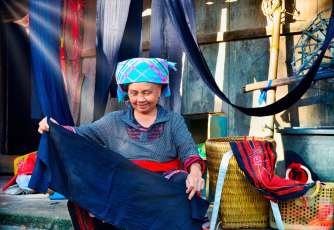
For the peoples of the mountainous regions – Thai, Muong, Dao, H’Mong – cơm lam embodies a way of life. It speaks of simplicity, closeness to nature, ingenuity, and patience. Each bamboo tube contains a fragment of collective memory, shaped by time, fire, and human hands.
Discover Vietnam differently with Authentik Vietnam, a specialist in tailor-made travel and authentic cultural experiences.
What is cơm lam?
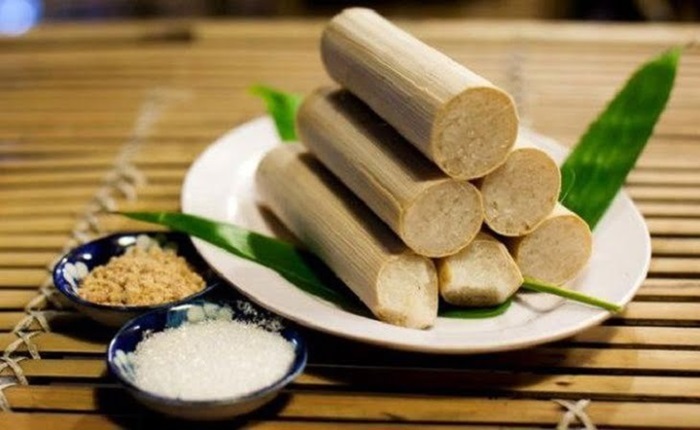
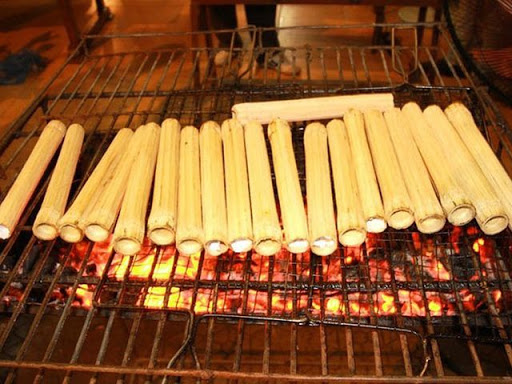
Cơm lam is a traditional Vietnamese dish made from sticky rice, pure water, and a bamboo or nứa tube (a bamboo variety). The rice is placed inside the tube, sealed with natural leaves, and slowly cooked over a wood fire.
Origin of the word “lam”
The word “lam” literally means to cook in a tube or to grill slowly. It refers not only to a culinary technique, but to an entire ancestral know-how passed down orally.
Why use bamboo?
Bamboo is omnipresent in Vietnam’s mountainous regions. Natural, heat-resistant, and aromatic, it allows for even cooking while infusing the rice with a unique vegetal fragrance.
Everyday dish or festive food?
Originally, cơm lam was an everyday dish, prepared during forest journeys or agricultural work. Today, it is also served during traditional festivals, community ceremonies, and when welcoming guests.
Origins and history of cơm lam
Cơm lam is closely linked to the semi-nomadic lifestyle and forest activities of mountain peoples. When families spent several days in the forest to farm, hunt, or gather, they needed a simple way to cook rice without pots.
Bamboo offered the perfect solution: it served simultaneously as container, lid, and cooking utensil. All that was needed was rice, spring water, and fire.
During wartime
During periods of conflict, cơm lam became a survival food, easy to carry and discreet to prepare. It sustained soldiers and civilians during long marches through mountains and forests.
From survival food to specialty
Over time, this humble dish became an emblematic specialty of the mountainous regions, a symbol of resilience and cultural identity.
Cơm lam across regions and ethnic groups
Behind the shared name cơm lam lies a remarkable diversity of practices and flavors. Depending on the region and ethnic group, the choice of rice, the type of bamboo used, and the accompaniments vary subtly. Each version reflects a specific natural environment, way of life, and cultural identity, making cơm lam both a unifying dish and a deeply plural one across Vietnam.
In the Northwest (Tây Bắc)
Among the Thai, Muong, and Dao, cơm lam is generally prepared with nếp nương (mountain sticky rice). It is lightly seasoned to preserve the natural taste of the rice and bamboo.
In the Central Highlands (Tây Nguyên)
The Ê Đê, Gia Rai, and Ba Na sometimes add coconut milk or a pinch of salt. The flavor is richer and slightly sweet.
In the Trường Sơn region
Here, variants using black sticky rice can be found, offering a denser texture and a more pronounced flavor.
Comparisons
- Type of rice: nếp nương, nếp than
- Bamboo: young tender bamboo or nứa
- Seasoning: pure water, salt, coconut milk
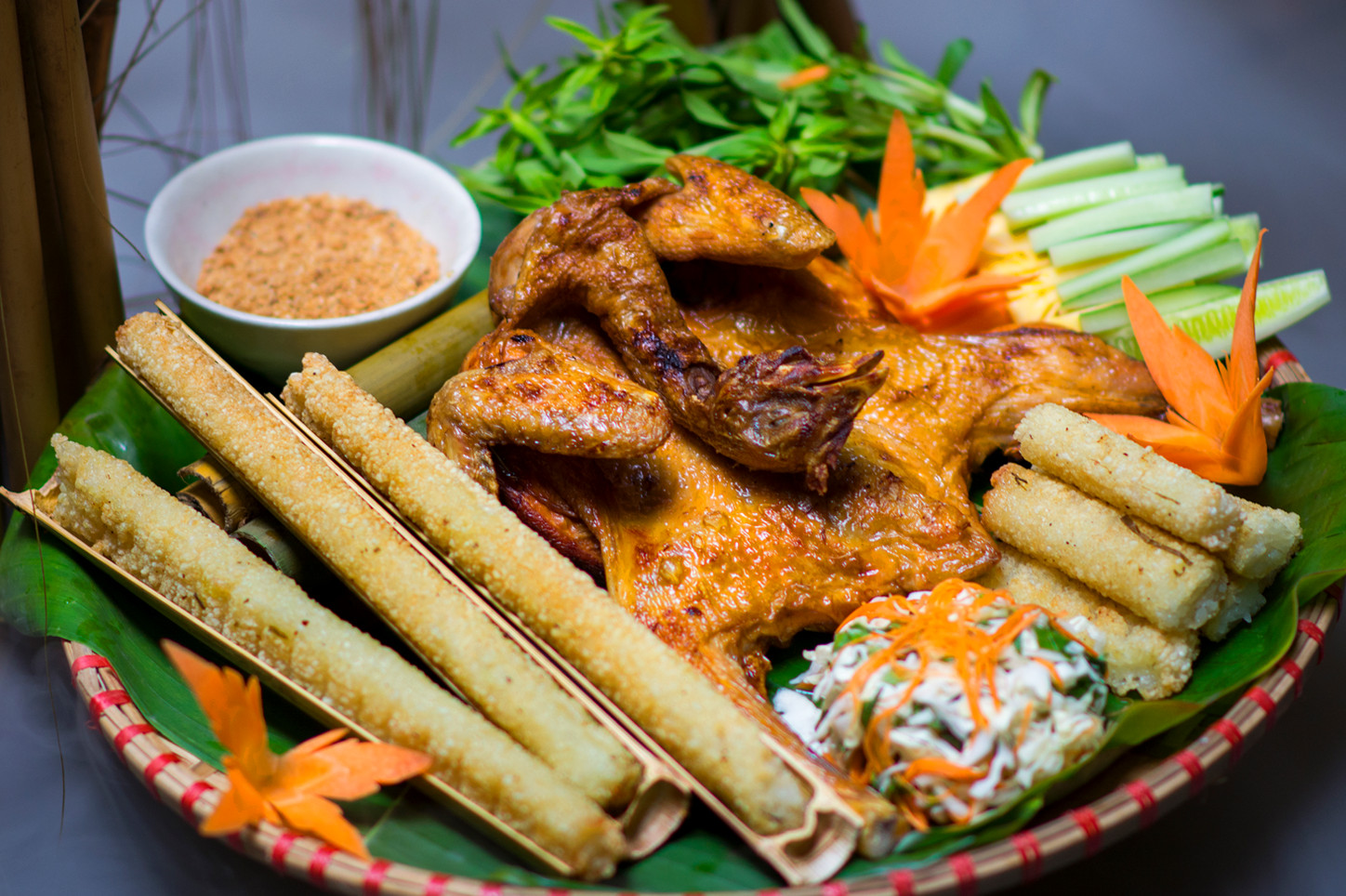
- Accompaniments: grilled meat, river fish, sesame salt
Ingredients of cơm lam – Few but essential
The strength of cơm lam lies in its simplicity.
- Sticky rice: the central element, carefully selected
- Water: often spring or rainwater
- Bamboo or nứa: young and aromatic
- Wood fire: slow and even cooking
Each element plays a precise role. The slightest imbalance can alter the final texture.
The traditional cooking process
Preparing cơm lam is a moment of sharing.
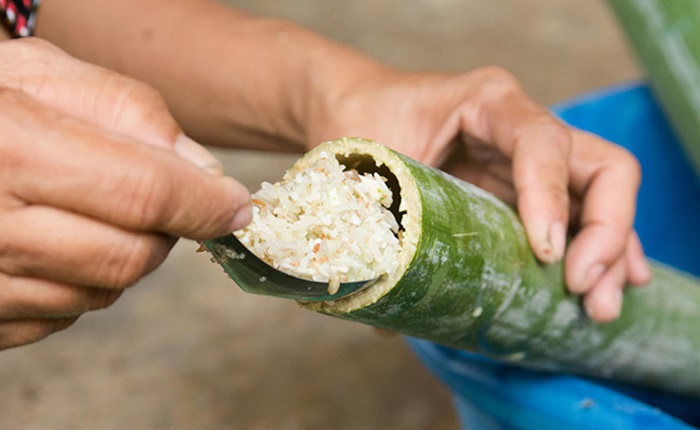
- The rice is washed and soaked for several hours
- The bamboo is cut and cleaned
- Rice and water are poured into the tube
- The opening is sealed with leaves
- The tube is placed near the embers
- It is slowly turned, while listening to the gentle crackling
“When the bamboo sings softly, the rice is almost ready,” says a village elder.
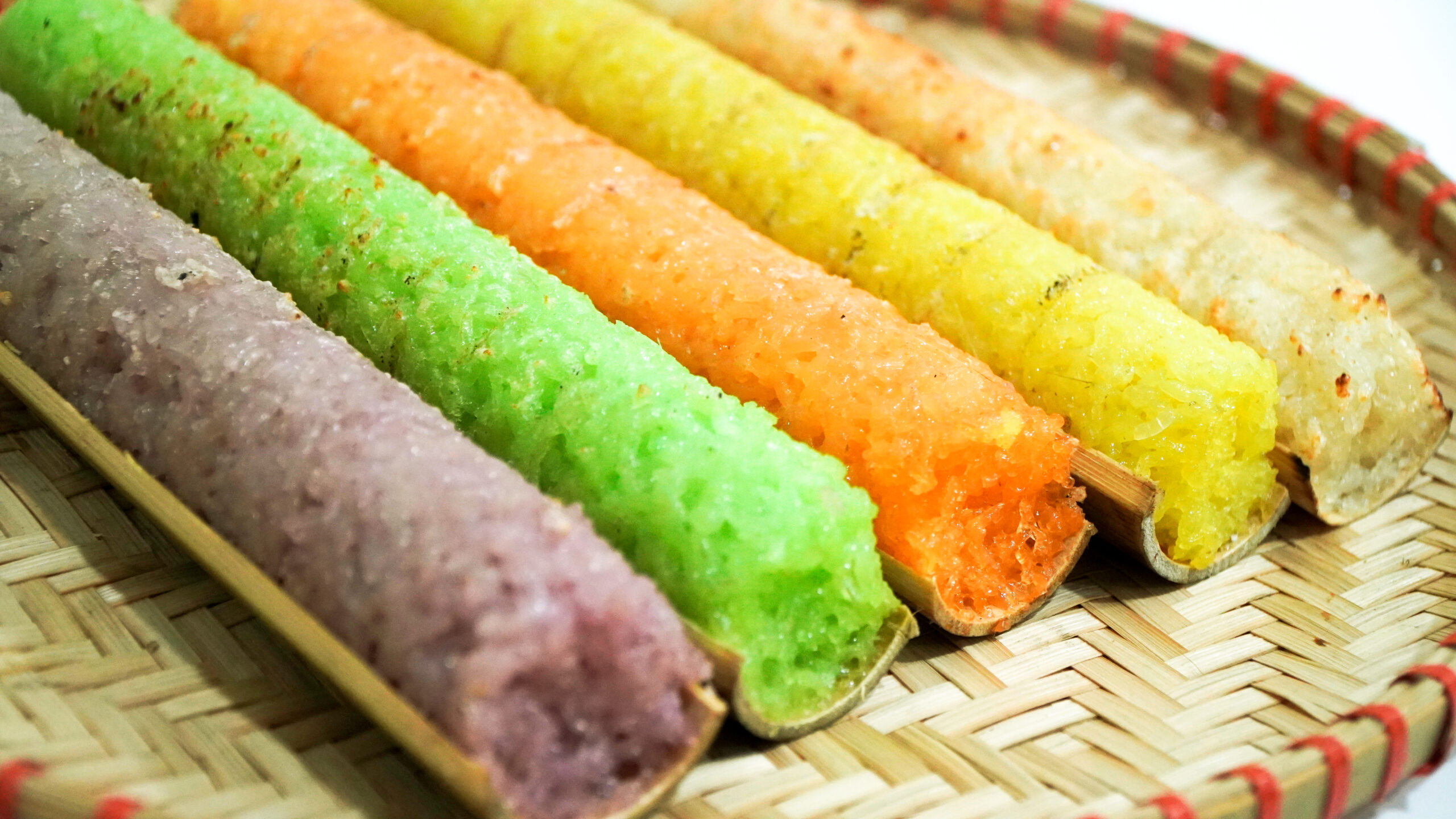
Once cooked, the bamboo is split open to reveal a cylinder of white, warm, fragrant rice.
Flavors and tasting of cơm lam
The first sensation is olfactory: a woody, gentle, comforting aroma. On the palate, the rice is tender, slightly sweet, with a firm yet melting texture.
Traditional accompaniments
- Sesame salt
- Grilled meat
- Free-range village chicken
- Stream fish
- Fermented bamboo shoots, wild vegetables
Cơm lam in daily life and traditional festivals
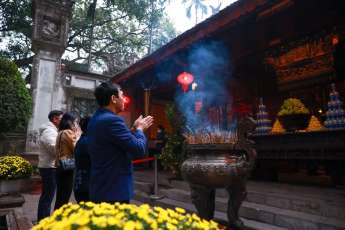
In Vietnam’s mountainous regions, cơm lam goes far beyond everyday food. It holds a special place in community life and accompanies important moments of existence. During seasonal festivals, agricultural celebrations, or weddings, preparing cơm lam becomes a collective act, bringing together several generations around the fire. The gesture of cooking rice in bamboo symbolizes the close bond between humans and nature, as well as the spirit of sharing intrinsic to mountain societies. Offering cơm lam to a guest, especially a visitor from afar, is a sign of respect and welcome. Each bamboo tube opened before the guest expresses the family’s generosity and pride in passing on a living tradition, rooted in daily life as much as in rituals.
Cơm lam today: between preservation and transformation
With the development of tourism and the growing openness of mountainous regions, cơm lam has gradually left the intimate space of households to appear in markets, along roadsides, and in certain tourist areas. This increased visibility has helped introduce the dish to a wider audience, but it has also brought transformations. Revisited versions have emerged, incorporating coconut milk, natural colorings, or more modern presentations. While these adaptations testify to the vitality of local cuisine, they also raise questions of authenticity. Between economic valorization and the risk of trivialization, the current challenge is to preserve traditional know-how, the slow rhythm of wood-fire cooking, and the deep cultural meaning of cơm lam, beyond its purely gastronomic dimension.
Experiencing cơm lam while traveling
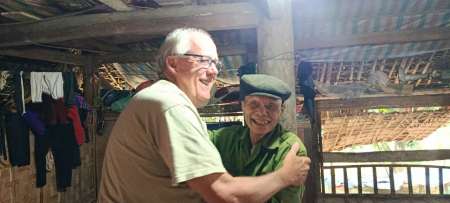
Tasting cơm lam in a mountain village is unlike any standardized experience. It takes on its full meaning when enjoyed in the heart of a stilt house or around an improvised fire, in the company of local inhabitants. Taking part in the preparation, observing the precise gestures, patiently waiting as the rice slowly cooks in bamboo, and then sharing the meal in a simple, warm atmosphere allows one to understand the true value of this dish. For travelers, cơm lam becomes a gateway to local culture, a moment of genuine encounter where gastronomy blends with human exchange. It is in these moments, far from standardized restaurants, that one understands why traditional Vietnamese cuisine is inseparable from the land and the people who inhabit it.
Conclusion
Cơm lam is not a dish meant to impress through complexity. It moves through its simplicity, authenticity, and the slowness it requires. Behind each bamboo tube lie hours of waiting, gestures inherited from the past, and an intimate relationship with the surrounding nature. The rice absorbs not only water and the heat of the fire, but also the history of the mountains, the memory of traveled paths, and the voices of those who prepared it. Tasting cơm lam means accepting to slow down, to listen, and to feel. It is understanding that, in Vietnam’s highlands, a simple grain of rice can become the discreet guardian of the soul of a land and its people.
Share


%20%E2%80%93%20When%20a%20simple%20grain%20of%20rice%20tells%20the%20soul%20of%20the%20mountains)



.jpg)





Langsweirt Galliane
on Sep 21, 2026Victoria Duncan
on Sep 1, 2026Kaushik Ghosh
on Aug 30, 2026Philo Tran
on Jun 15, 2026Timothy William Groh
on Feb 23, 2026