 Español
 Français
Visiting a Vietnamese Home: Essential Etiquette and Cultural Insights for Travellers
- on Feb 10, 2026 By: Thai An Le
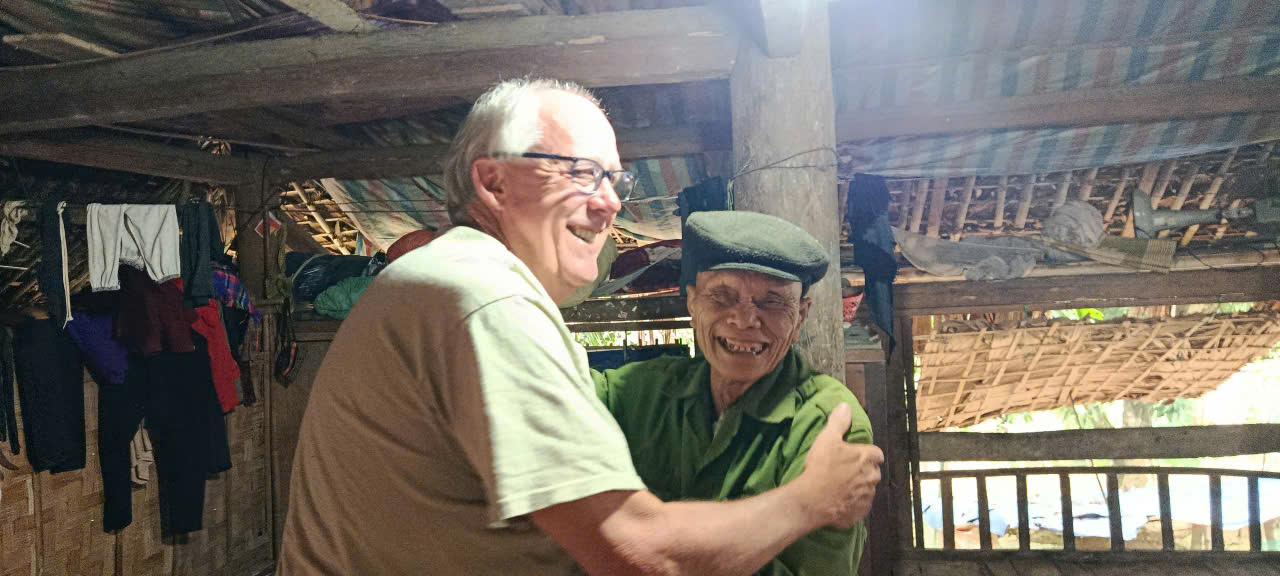
Visiting a Vietnamese home is one of the most meaningful cultural experiences a traveller can have in Vietnam. Beyond temples, markets and famous landscapes, daily life unfolds quietly inside family houses, where traditions are preserved through simple rituals and shared meals.
For many visitors, stepping into a local home may feel unfamiliar at first. Understanding basic Vietnamese home etiquette not only helps avoid misunderstandings but also opens the door to a deeper cultural connection.
Why Etiquette Matters
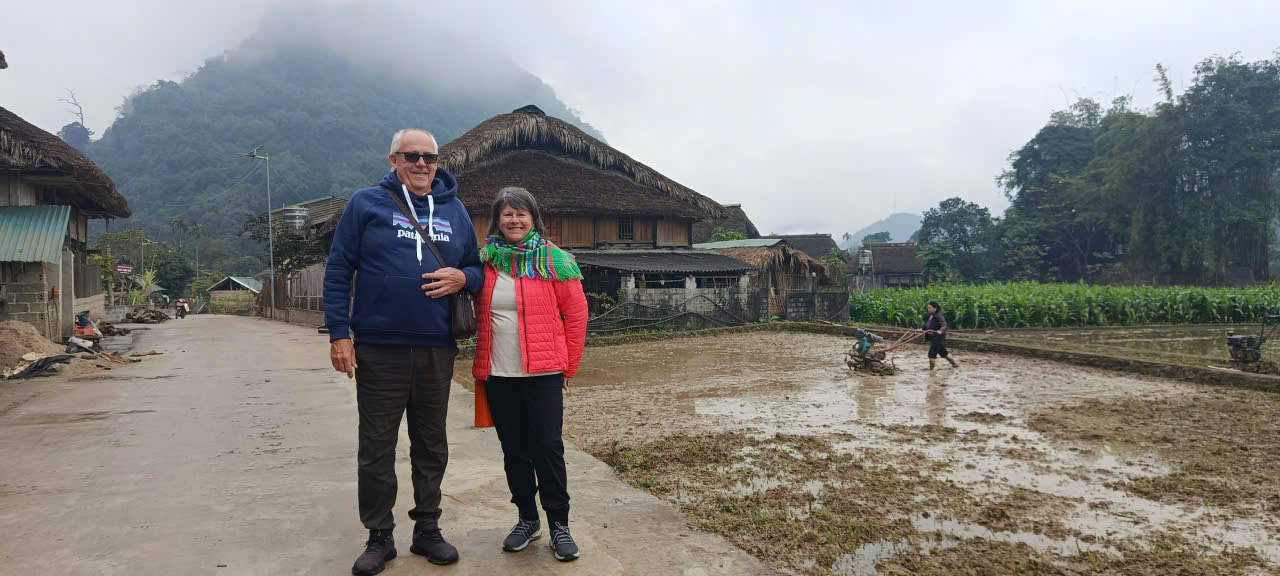
When you are invited into a Vietnamese home, it is more than a social visit. It reflects trust, hospitality and the importance of family in Vietnamese culture.
Knowing a few essential customs allows you to show respect and feel more comfortable. In Vietnam, small gestures, such as removing your shoes or greeting elders properly, carry significant cultural value.
1. Take Off Your Shoes Before Entering
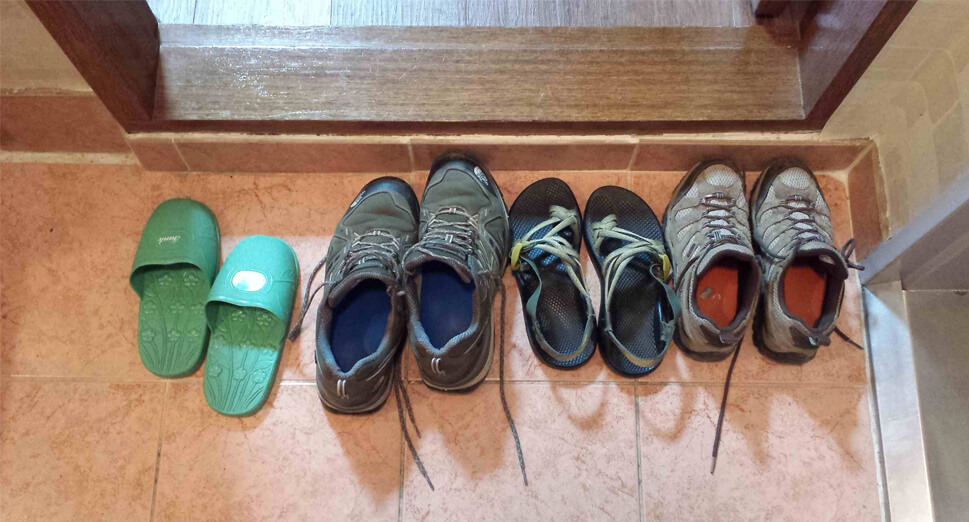 One of the first things you will notice when visiting a Vietnamese home is the row of shoes neatly placed outside the door.
Removing shoes is a long-standing Vietnamese house custom. It keeps the living space clean and reflects the idea that the home is a protected, almost sacred environment.
In many households, your host will offer indoor slippers. Even if they do not say anything, it is polite to remove your shoes automatically.
This simple gesture immediately shows that you understand Vietnamese home etiquette.
2. Bringing a Small Gift Is a Thoughtful Gesture
 When visiting a Vietnamese home, bringing a small gift is appreciated. It does not need to be expensive. Fruit, tea, sweets, or something from your home country are all suitable options.
In Vietnamese family culture, the meaning behind the gift matters more than its price. The gesture shows gratitude for the invitation.
If you are unsure what to bring, fruit is always a safe and respectful choice in Vietnamese house customs.
3. The Ancestral Altar Is a Sacred Space
A key part of Vietnamese cultural etiquette is understanding the importance of the ancestral altar.
Most Vietnamese homes have an altar dedicated to ancestors. It may be placed in the living room or a central area of the house. Incense, flowers, and family photos are often arranged carefully.
When visiting a Vietnamese home:
- Do not touch items on the altar.
- Avoid pointing at it.
- Ask before taking photos.
The altar represents the connection between generations. Respecting this space shows awareness of Vietnamese family culture and spiritual traditions.
4. Meals Are Shared, Not Served Individually
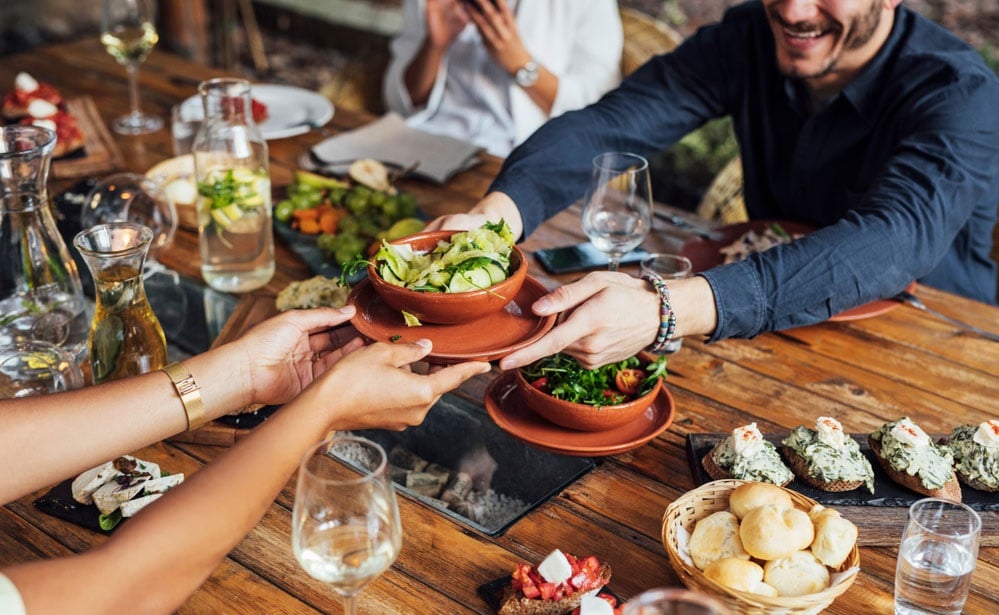 Food plays a central role in Vietnamese home etiquette.
Unlike Western dining styles, dishes are placed in the center of the table and shared by everyone. You use your chopsticks to take small portions into your own bowl.
It is common for the host to place food in your bowl as a sign of hospitality. While it may feel unfamiliar at first, it is an expression of warmth and care.
When visiting a Vietnamese home, try a little of each dish if possible. It shows appreciation for the effort put into preparing the meal.
5. Respect for Elders Comes First
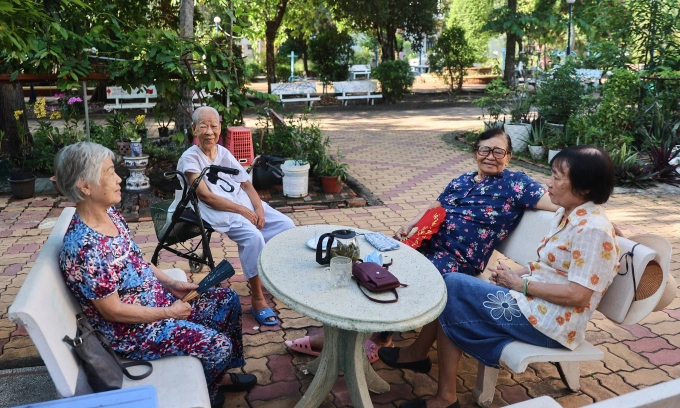
Respect is a core value in Vietnamese family culture.
When entering the home:
Greet the oldest person first.
Use two hands when giving or receiving items.
Wait for the elders to sit before sitting down yourself.
These small gestures are part of Vietnam's cultural etiquette and are deeply rooted in tradition. Even simple actions, like serving tea with both hands, reflect politeness and awareness.
6. Observe Before You Act
If you are unsure what to do while visiting a Vietnamese home, the best approach is simple: observe.
Watch how family members behave. Follow their lead. Vietnamese house customs are often expressed through subtle body language rather than direct instructions.
Politeness, modesty, and calm behaviour are always appreciated.
Conclusion
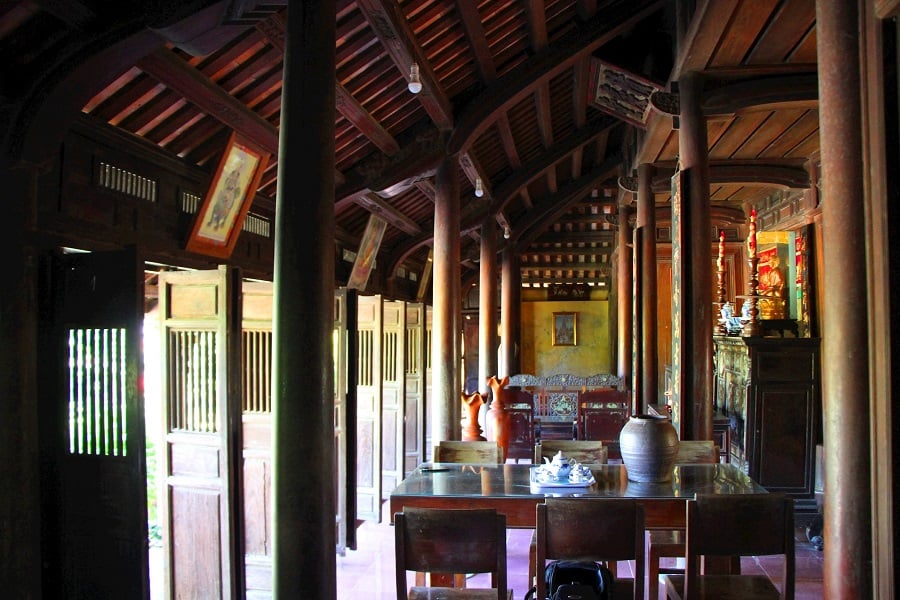 Visiting a Vietnamese home offers a deeper understanding of everyday life in Vietnam. It is within these family spaces that traditions, values, and generations quietly come together. By learning basic Vietnamese home etiquette and respecting cultural customs, travellers move beyond sightseeing and into genuine cultural exchange. A home visit is not just part of a trip. It is an invitation into the heart of Vietnamese family culture, and it should be approached with awareness and respect.
At Authentik Vietnam, we believe that meaningful travel begins with cultural understanding. Experiences such as visiting a Vietnamese home allow travellers to connect with Vietnam in a respectful and genuinely authentic way.
Related Articles:
5 Traditional Cultures of Vietnam
Vietnam Temple Etiquette: A Guide to Respectful and Comfortable Travel
Share


Comment
Other Blog
Categories
Latest News


on 12 Jun, 2019




MichaelGuiffSH
on Oct 8, 2026BetongameCZ
on Sep 24, 2026Langsweirt Galliane
on Sep 21, 2026Victoria Duncan
on Sep 1, 2026Kaushik Ghosh
on Aug 30, 2026