 Español
 Français
Indigo Weaving in Phung Village: Meeting the La Chi Women of Ha Giang
- on Feb 27, 2026 By: Thai An Le
High in the mountains of northern Ha Giang, where rice terraces carve gentle lines into steep hillsides, there is a village that moves at its own pace.
Phung Village, located in Hoang Su Phi district, is home to the La Chi ethnic group. Here, women still practice a tradition that has defined their identity for generations: indigo weaving.
For travellers seeking something beyond the usual tourist routes, for those who want to understand Vietnam not just through its landscapes but through its people, Phung Village offers a rare opportunity. This is not a cultural performance staged for visitors. This is life as it has been lived for centuries.
Where is Phung Village?
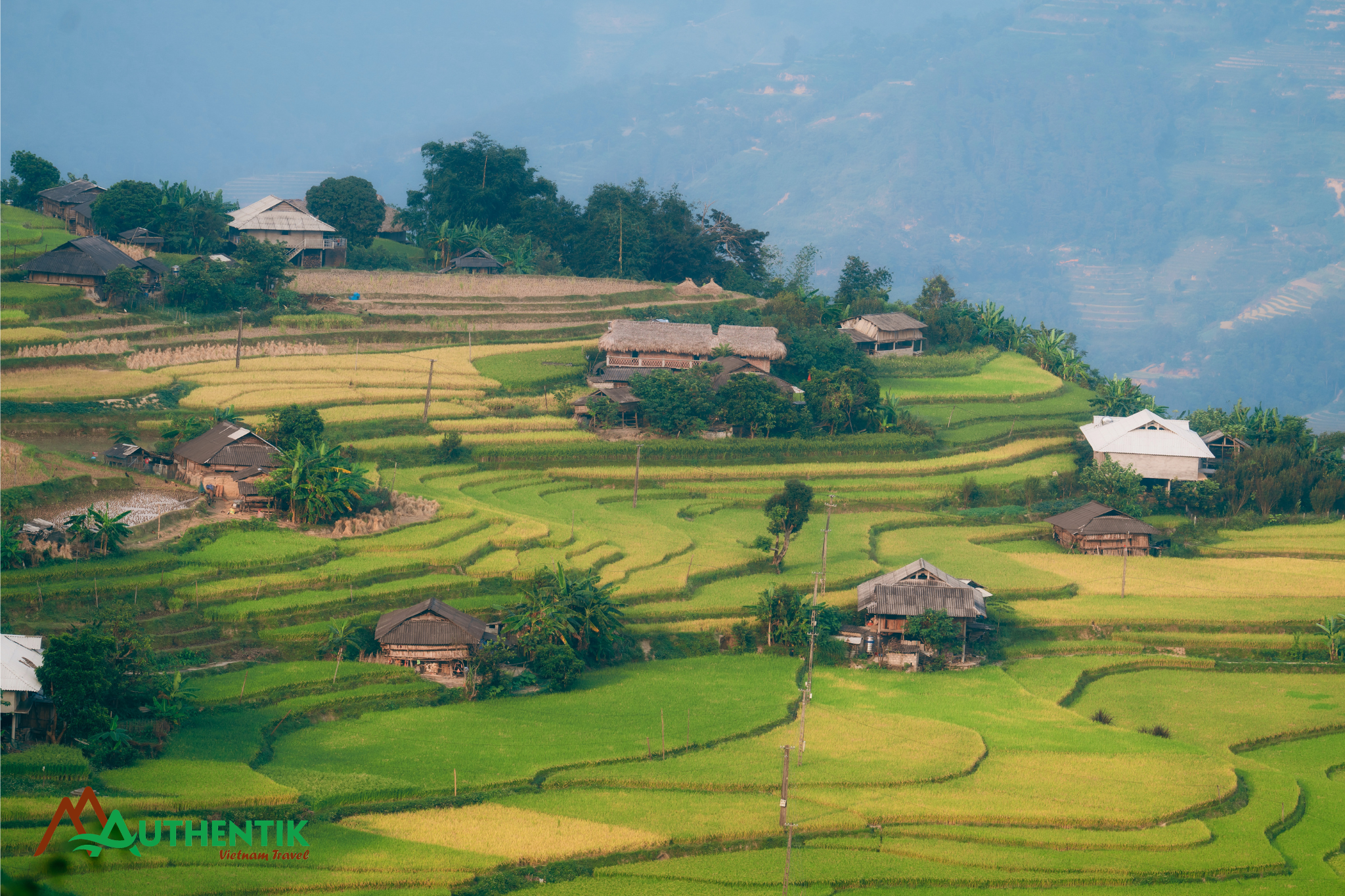
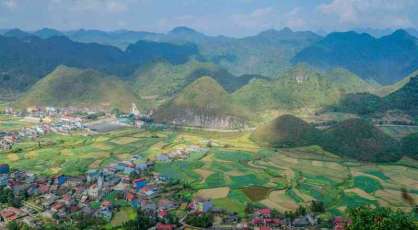
Phung Village sits in Hoang Su Phi, a district in Ha Giang province known for its spectacular terraced rice fields. While the rice terraces attract photographers from around the world, the cultural landscape here is equally remarkable.
Among the various ethnic groups living in Hoang Su Phi, the La Chi are one of the smallest but most culturally distinctive. In Phung Village, La Chi families have lived for generations in wooden stilt houses overlooking the valleys. Their daily life follows agricultural seasons, community rituals, and traditional crafts.
The most significant craft preserved here is weaving, practiced primarily by women. Unlike textiles mass-produced for urban markets, La Chí fabric is created entirely by hand, from planting cotton to dyeing cloth with indigo.
For travellers interested in cultural immersion, understanding La Chi weaving provides a window into a way of life that has remained largely unchanged.
From Cotton to Thread: The Process Begins
La Chi weaving does not start at the loom. It begins in the fields.
At the beginning of the year, families plant cotton seeds. Months later, when the cotton bolls open under the mountain sun, women harvest them by hand. Each cotton boll contains seeds that must be carefully removed. The fibres are then loosened and prepared for spinning.
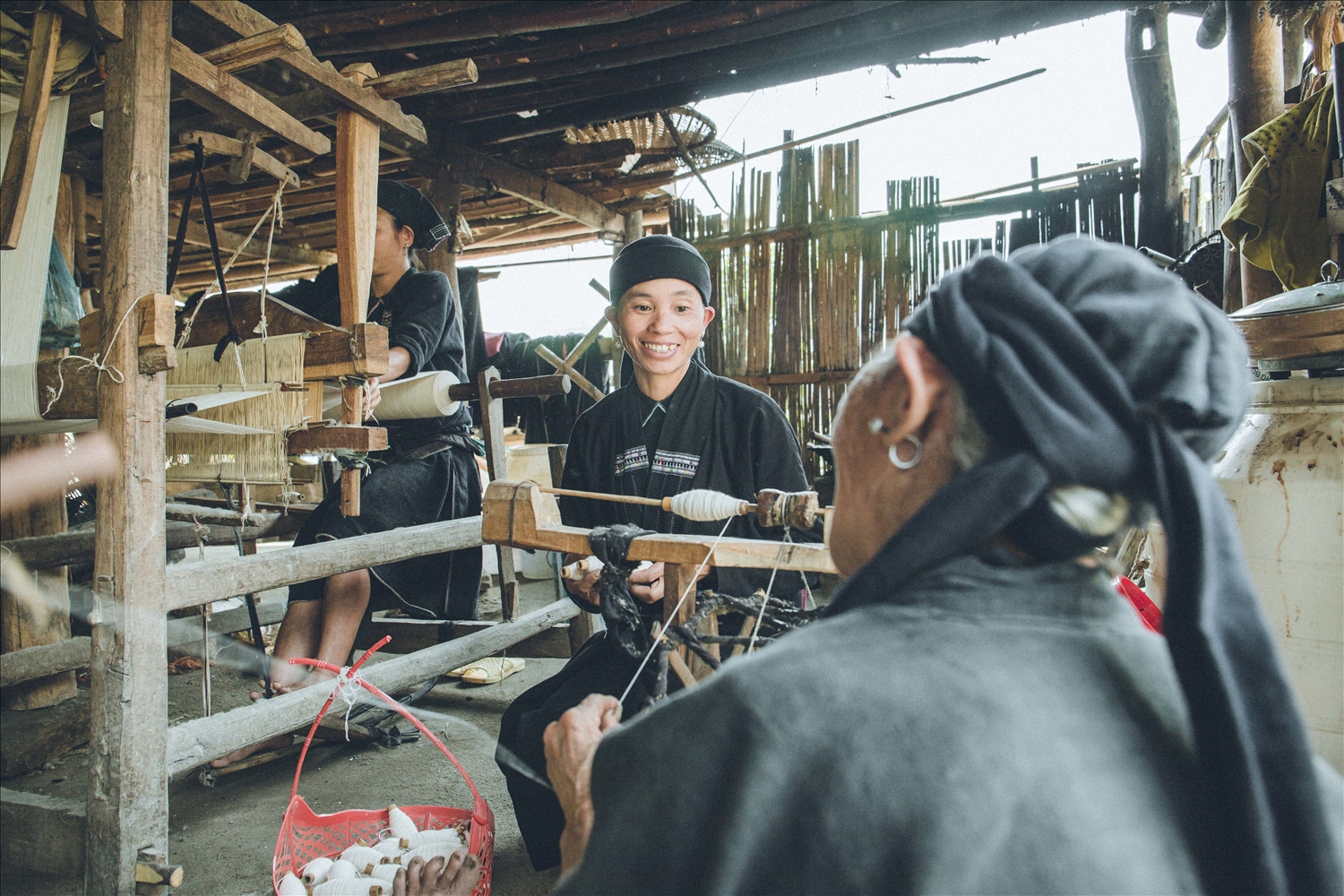
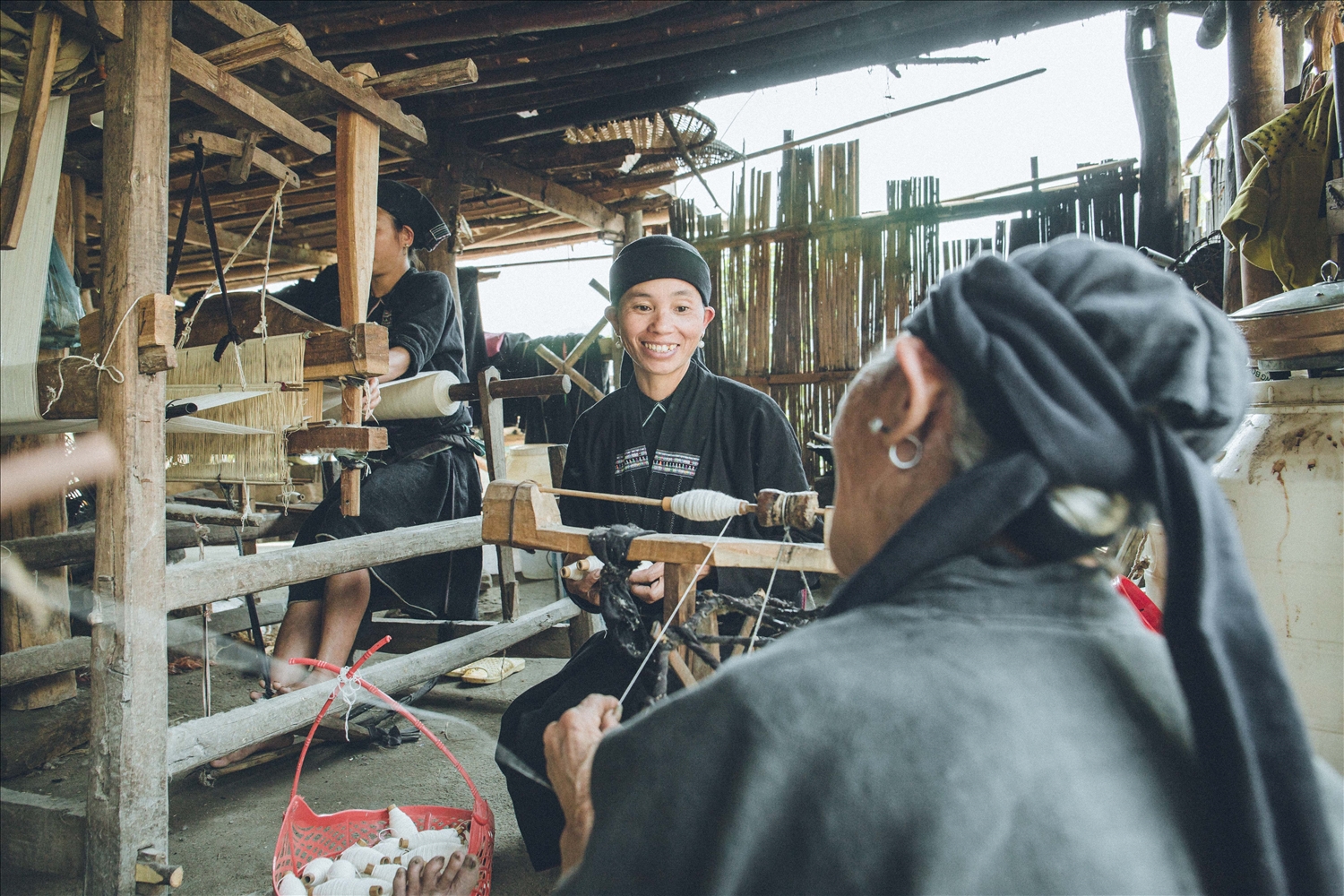
Spinning is one of the most delicate stages. Using simple wooden tools, a La Chi woman draws out fibres and twists them into a continuous thread. The thread must be even and strong. If it's too thin, it breaks. If too thick, the fabric loses its softness.
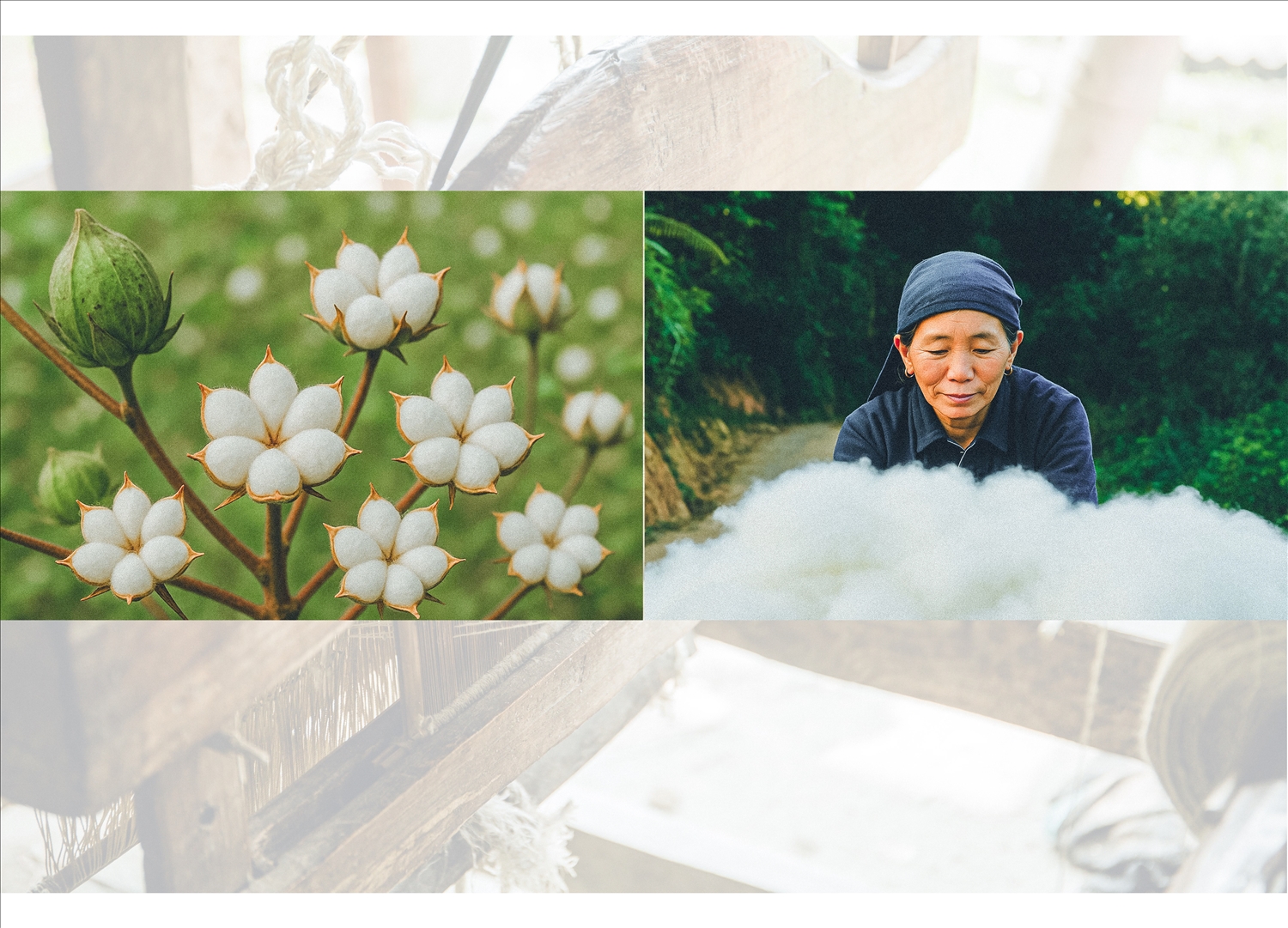
This work requires practice and concentration. It cannot be rushed. In most households in Phung Village, spinning happens in the late afternoon, after fieldwork is complete. Children often sit nearby, watching and learning.
For those interested in traditional textiles, La Chi weaving represents a fully integrated production cycle. The community grows the raw material, transforms it, dyes it, and weaves it into finished garments without industrial intervention.
At the Loom: Daily Life Continues
.jpg)
Inside a wooden stilt house in Phung Village, the loom occupies a quiet corner. The structure is simple, made from wood, practical and sturdy. A La Chi woman sits before it, her hands guiding the shuttle while her feet control the pedals below.
Weaving requires coordination. Hands and feet move in rhythm. The shuttle passes through the threads, layer by layer. The sound is soft but steady. Over a full day, an experienced weaver may produce only a few meters of fabric.
This slow pace is central to the identity of La Chi weaving. The value of the cloth lies not only in the finished product but in the time embedded within it.
For travellers visiting Phung Village, sitting beside a La Chi woman as she weaves becomes a meaningful moment. There is no urgency. There is no performance. Visitors simply observe daily life as it unfolds naturally.
Indigo: The Colour That Defines a Culture
After weaving, the cotton cloth must be dyed. Indigo is the defining colour of La Chi traditional clothing. The dye comes from local plants, processed carefully to produce the deep blue tone associated with the community.
Achieving the correct indigo shade is not simple. The fabric must be dyed, dried, and dyed again multiple times. This process is repeated at least five times before the cloth reaches the desired depth of colour.
Indigo in La Chi culture represents more than an aesthetic choice. It reflects continuity, resilience, and connection to the mountain landscape of Ha Giang. Traditional garments worn by La Chi women feature indigo as the primary base, complemented by embroidered patterns.
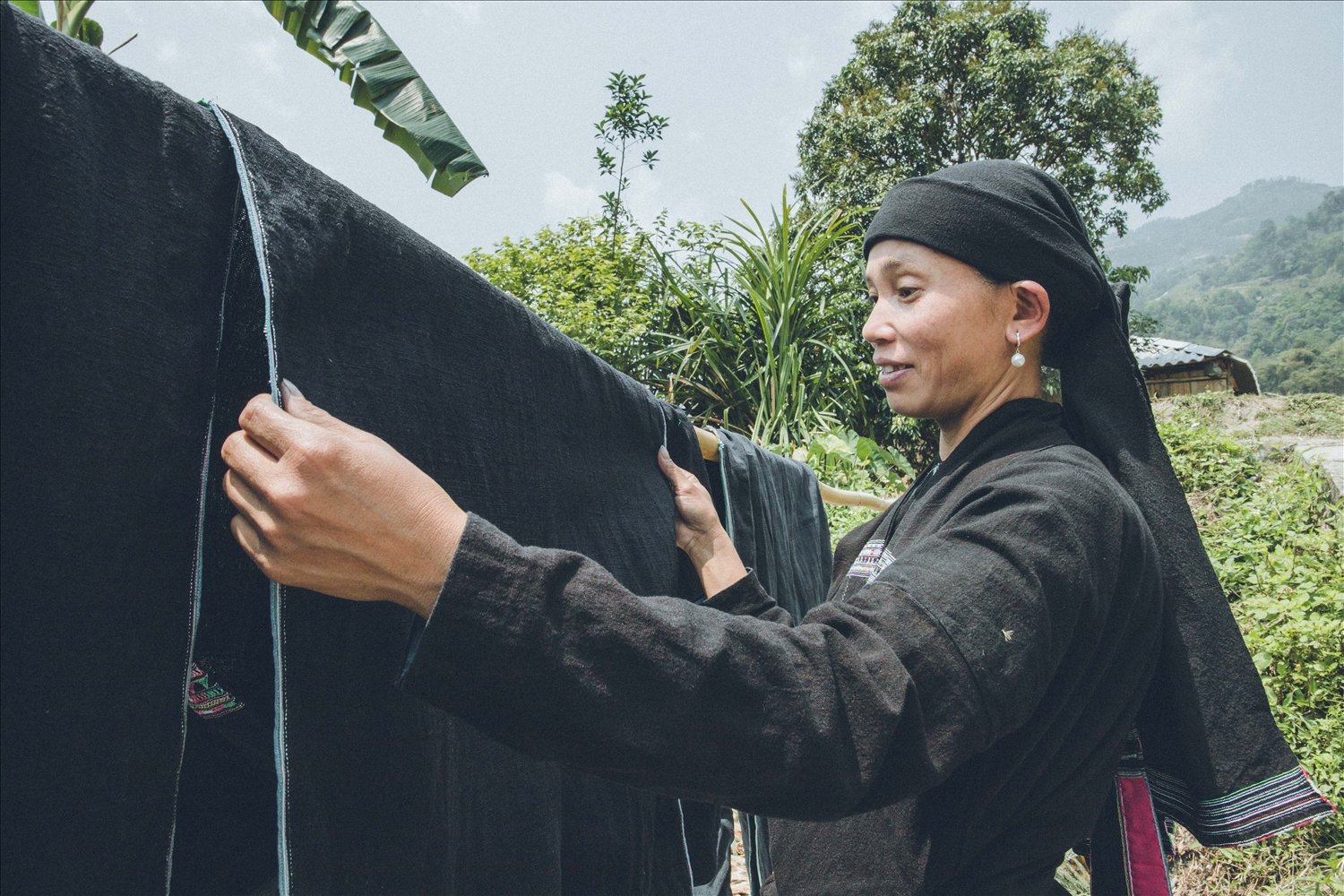
For visitors researching indigo textile traditions in Vietnam, Phung Village offers a living example rather than a museum display. The dyeing process still takes place in family homes. Knowledge is passed on orally and through practice.
Traditional Clothing and What It Means
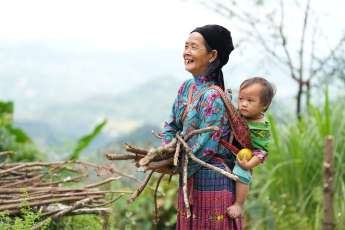
La Chi traditional attire combines simplicity with detail. Women typically wear long indigo garments with embroidered decorations around the collar and chest. Accessories include belts, headscarves, and small jewelry pieces.
The embroidered motifs found on La Chi textiles often include geometric shapes such as triangles, diamonds, and small circular patterns. These designs carry symbolic meaning related to nature, protection, and ancestral beliefs.
Understanding these motifs provides insight into how La Chi women encode cultural knowledge into fabric. Clothing is not only functional. It communicates identity, a sense of belonging to the community, and connections to the past.
.jpg)
For culturally curious travellers, learning about La Chi's traditional clothing transforms a visual experience into a meaningful one.
Experiencing Phung Village Respectfully
Visitors seeking authentic textile experiences in Ha Giang often travel to Phung Village to witness La Chi weaving firsthand. However, responsible travel is essential.
Guests are invited to sit beside a La Chi woman while she works. They may ask questions, observe the process, and in some cases try simple weaving motions under guidance. The interaction is based on mutual respect, not spectacle.
This approach follows sustainable tourism principles:
- Small group sizes
- Direct collaboration with local women's associations
- Fair compensation for artisans
- Protection of daily life from disruption
By integrating La Chi weaving into carefully designed itineraries, we help travellers connect meaningfully while supporting cultural continuity in Phung Village.
Preserving Weaving for Future Generations
Cultural preservation remains a priority within the La Chi community of Ha Giang. In recent years, local women's groups have collaborated with schools to teach younger generations spinning, dyeing, embroidery, and garment construction.
Workshops organized in Phung Village encourage children and teenagers to learn ancestral skills. These initiatives strengthen cultural identity and create potential economic opportunities tied to traditional craft.
The preservation of La Chi weaving depends not only on tourism but on community commitment. Visitors who choose ethical travel experiences contribute indirectly to these efforts. Supporting local artisans ensures that La Chi women can continue practicing their craft as a valued cultural expression rather than abandoning it for low-wage labour elsewhere.
Why La Chi Weaving Matters Today
Global tourism often emphasizes speed. It encourages travellers to move quickly from one landmark to another. Yet many experienced travellers now seek deeper experiences.
La Chi weaving in Phung Village offers an alternative. It encourages stillness. It invites observation. It asks visitors to appreciate the time required to create something by hand.
In the context of travel in Ha Giang, weaving becomes symbolic. It represents patience in a fast-moving world. It demonstrates how identity is maintained through everyday practices rather than grand monuments.
For culturally engaged travellers, understanding La Chi women and their indigo textiles adds depth to any journey in northern Vietnam.
Conclusion
.png)
In the mountains of Ha Giang, silence is not emptiness. It is present. Watching a La Chi woman weave indigo cloth in Phung Village invites reflection on time and attention.
The cloth that emerges from the loom carries more than thread. It carries seasons of work, inherited skill, and cultural resilience.
For those seeking La Chi weaving in Ha Giang, for travellers drawn to indigo textile traditions, and for anyone interested in meaningful travel in northern Vietnam, Phung Village offers a rare opportunity to witness living heritage.
At Authentik Vietnam, we design journeys that connect you to nature, to people, and to the stories that make this country so extraordinary.
Some experiences cannot be rushed. They must be woven, patiently, one thread at a time.
Frequently Asked Questions
What makes La Chi weaving unique in Vietnam?
La Chi weaving is distinctive because the entire process, from cotton cultivation to indigo dyeing and garment construction, is traditionally completed within the community. This full-cycle production is increasingly rare.
Where can visitors experience La Chi weaving?
Phung Village in Hoang Su Phi district, Ha Giang province, is one of the most authentic locations to observe La Chi women practicing traditional weaving.
Is it respectful to visit weaving households?
Yes, when visits are organized responsibly with local coordination. Small-group, community-based experiences ensure that artisans are fairly compensated and that daily life is respected.
Why is indigo important in La Chi culture?
Indigo represents cultural identity and connection to the landscape. Achieving the deep blue colour requires repeated dyeing, reflecting patience and craftsmanship.
Related Articles:
Ha Giang Vietnam: Complete Guide 2026 – Itineraries, Landscapes, Culture, and Gastronomy
Ha Giang Loop 4 days: Complete itinerary & Must-see places
Exploring Lung Tam Linen Village: The 20-Step Heritage of H'Mong Hand Weaving in Ha Giang
References:
Vũ, M. (2025, April 22). Trồng bông, dệt vải - nét đẹp văn hóa của đồng bào La Chí [Photograph]. Dân tộc và Phát triển. https://images.baodantoc.vn/uploads/2025/Thang-4/Ngay-21/mung/img0923.jpg
Vũ, M. (2025, April 22). Trồng bông, dệt vải - nét đẹp văn hóa của đồng bào La Chí [Photograph]. Dân tộc và Phát triển. https://images.baodantoc.vn/uploads/2025/Thang-4/Ngay-21/mung/advhr.jpg
Vũ, M. (2025, April 22). Trồng bông, dệt vải - nét đẹp văn hóa của đồng bào La Chí [Photograph]. Dân tộc và Phát triển. https://images.baodantoc.vn/uploads/2025/Thang-4/Ngay-21/mung/dohoavipcom-32-sao-chep.jpg
Vũ, M. (2025, April 22). Trồng bông, dệt vải - nét đẹp văn hóa của đồng bào La Chí [Photograph]. Dân tộc và Phát triển. https://images.baodantoc.vn/uploads/2025/Thang-4/Ngay-21/mung/img0892.jpg
Share


Comment
Other Blog

Categories
Latest News


on 12 Jun, 2019





MichaelGuiffSH
on Oct 8, 2026BetongameCZ
on Sep 24, 2026Langsweirt Galliane
on Sep 21, 2026Victoria Duncan
on Sep 1, 2026Kaushik Ghosh
on Aug 30, 2026