 Español
 Français
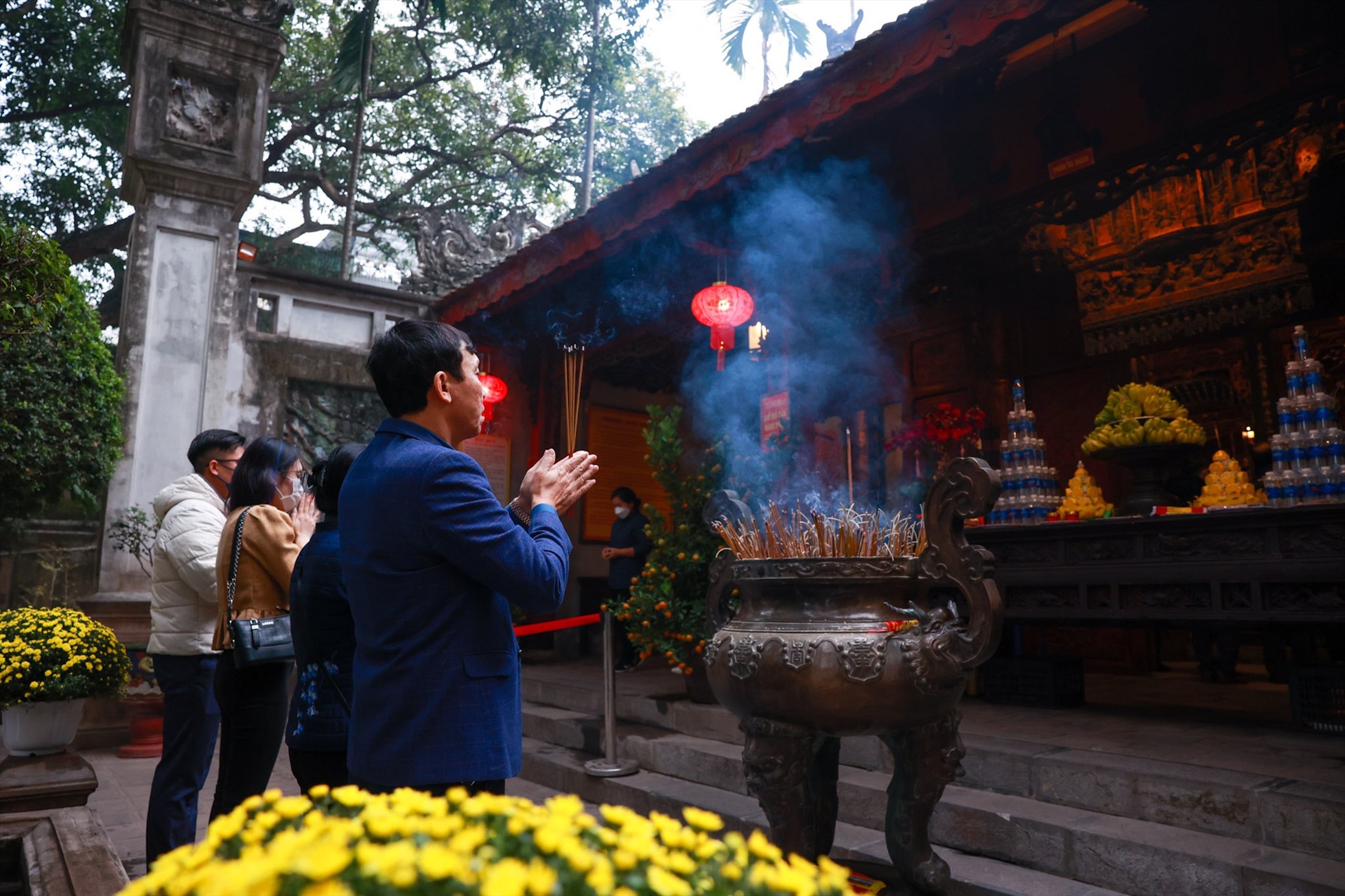
Vietnam Temple Etiquette: A Guide to Respectful and Comfortable Travel
- on Jan 26, 2026 By: Thai An Le
Vietnam is a land of timeless traditions and breathtaking spiritual sites. As Buddhism is the primary religion, you will find stunning pagodas across every region. For international travelers, mastering Vietnam Temple Etiquette is the key to a meaningful and respectful journey. To ensure your visit is both spiritual and seamless, following the local Vietnam temple dress code is essential to show respect while staying comfortable in the tropical heat.
Why Does Vietnam Temple Etiquette Matter?
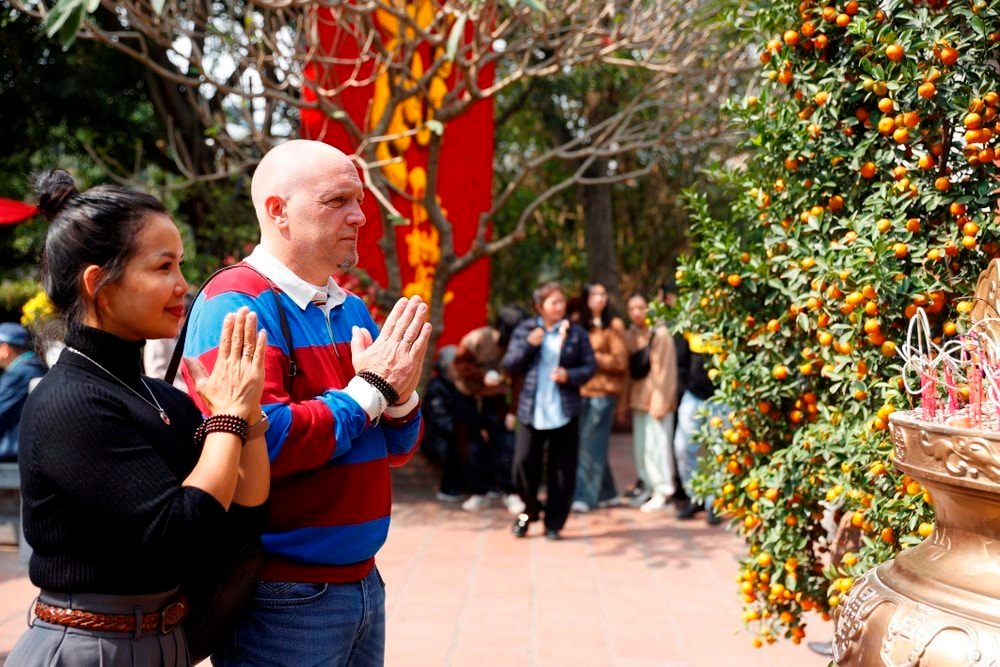
Understanding Vietnam Temple Etiquette is about more than just following rules; it’s about harmony. Dressing modestly ensures you blend into the solemn atmosphere rather than disrupting it, building a bridge of mutual respect with the local community. By observing these small but significant traditions, you gain a deeper appreciation for the spiritual heritage that shapes Vietnamese life. Ultimately, your mindfulness helps preserve the sanctity of these sacred spaces, ensuring they remain peaceful havens for everyone to enjoy.
Mastering the Vietnam Temple Dress Code
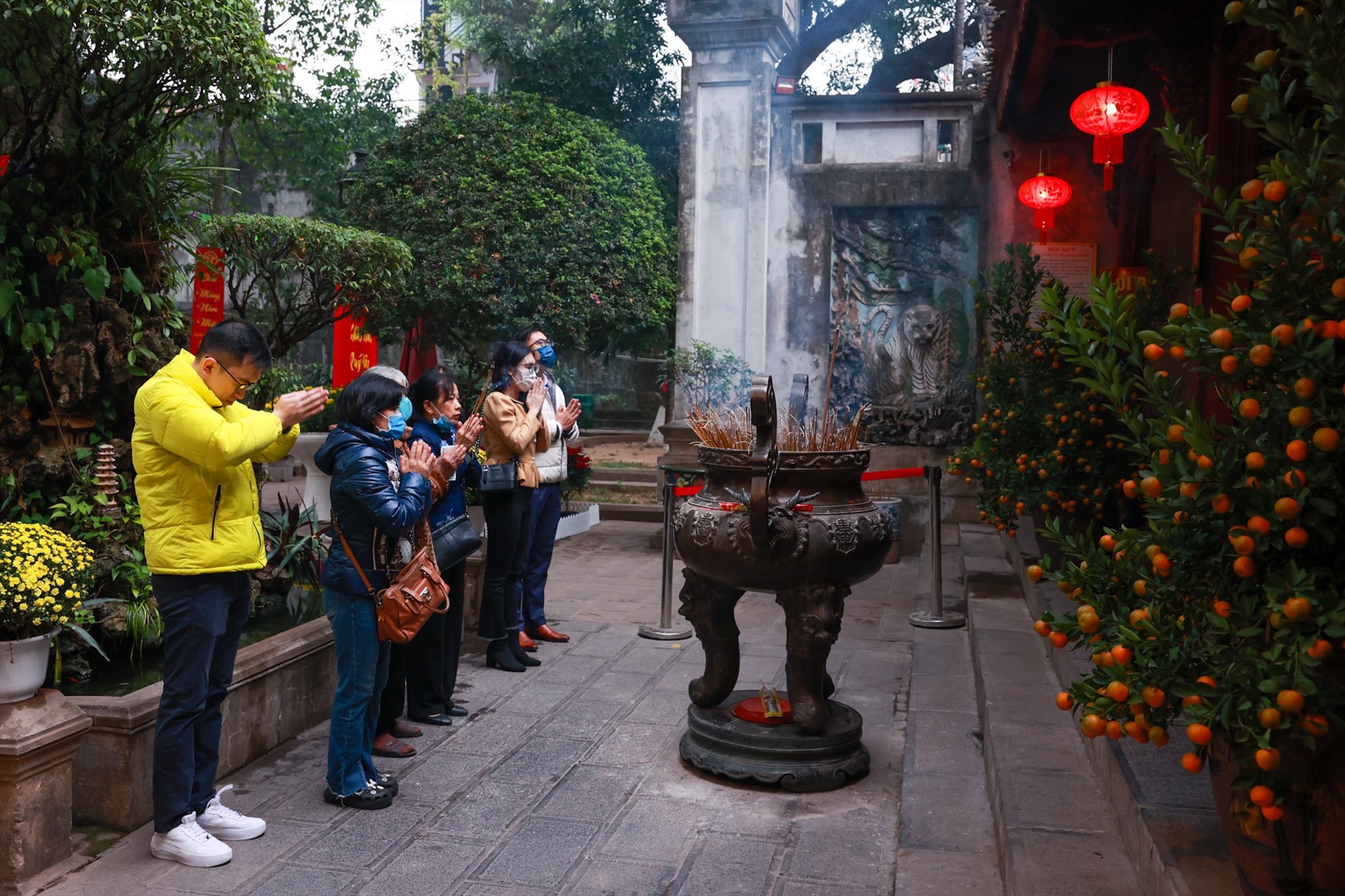
The golden rule for any religious site in Vietnam is modesty. Whether you are exploring ancient ruins or active monasteries, these Vietnam temple dress code guidelines are universal:
- Cover Shoulders and Knees: A fundamental part of Vietnam Temple Etiquette is modesty. Avoid tank tops, sleeveless shirts, or short skirts. Modest clothing is the most sincere way to show respect to the Buddha and the monks.
- Choose Breathable Fabrics: Vietnam can be humid, so a smart Vietnam temple dress code involves loose-fitting, linen, or cotton fabrics. This ensures you stay cool while remaining respectful.
- A Handy Back-up Plan: If you are wearing shorts or sleeveless tops, it is a good idea to carry a sarong, large scarf, or lightweight cardigan. This allows you to quickly cover up before entering sacred areas.
Essential Pagoda Manners: Beyond the Attire
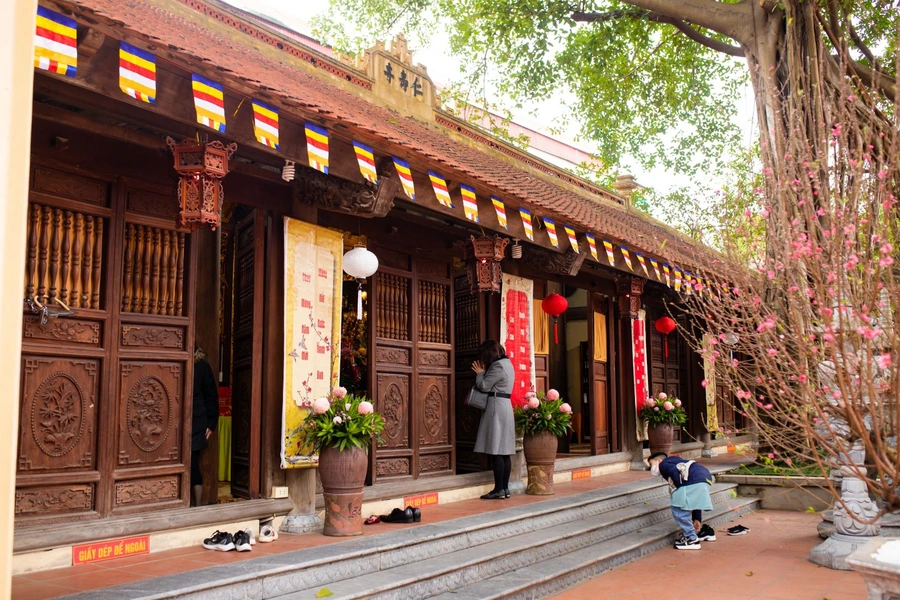
While your clothes are important, Vietnam Temple Etiquette also involves how you move and interact within the temple grounds.
- Footwear and Thresholds: Always wear shoes that are easy to slip on and off. You must remove your footwear before entering the inner sanctum. Also, remember to step over the wooden threshold, not on it, as it is traditionally believed to be the resting place of protective spirits.
- Respectful Photography: While these sites are photogenic, mindful behaviour is key. Photography is often strictly forbidden inside the main prayer halls. If you are unsure, observe the local worshippers or ask your guide about the specific rules for that site.
Top Sacred Sites to Visit
Now that you are familiar with the Vietnam temple dress code, here are the most iconic locations where you can put these local customs into practice:
- Northern Vietnam: Tran Quoc Pagoda (Hanoi) and the massive Bai Dinh complex (Ninh Binh).
- Central Vietnam: The historic Thien Mu Pagoda (Hue) and the ornate Phuc Kien Assembly Hall (Hoi An).
- Southern Vietnam: The peaceful Vinh Nghiem Pagoda and the atmospheric Jade Emperor Pagoda in Ho Chi Minh City.
Conclusion
Visiting a pagoda is one of the most enriching cultural experiences you can have in our country. By following the Vietnam temple dress code and practicing proper Vietnam Temple Etiquette, you show a high level of cultural sensitivity that is deeply appreciated by the locals. We hope this guide helps you feel confident and comfortable as you explore the spiritual beauty of our land.
At Authentik Vietnam, we believe that these small gestures of respect create the most profound travel memories. Let us help you discover the hidden gems and sacred traditions of this beautiful S-shaped land in the most respectful and authentic way possible.
Related articles:
- 4 beautiful pagodas to visit in Saigon
- Top 5 most sacred pagodas in Northern Vietnam
- Vietnamese Tet 2026: Things to Know Before Your Trip
- Trang An, Ninh Binh: A - Z Travel Guide
- Hoi An: A timeless town in the heart of Central Vietnam
Share


Comment
Other Blog

Categories
Latest News


on 12 Jun, 2019





MichaelGuiffSH
on Oct 8, 2026BetongameCZ
on Sep 24, 2026Langsweirt Galliane
on Sep 21, 2026Victoria Duncan
on Sep 1, 2026Kaushik Ghosh
on Aug 30, 2026