 Español
 Français
Central Vietnam Itinerary 8 Days: Best Route from Hanoi to Phong Nha, Hue & Hoi An
- on Mar 10, 2026 By: Thai An Le
Have you ever wanted to explore the heart of Vietnam beyond the usual tourist routes?
Many travellers visiting Vietnam focus only on major cities like Hanoi or Ho Chi Minh City. But between these two vibrant hubs lies a region filled with dramatic caves, historical landmarks, imperial heritage, and charming ancient towns.
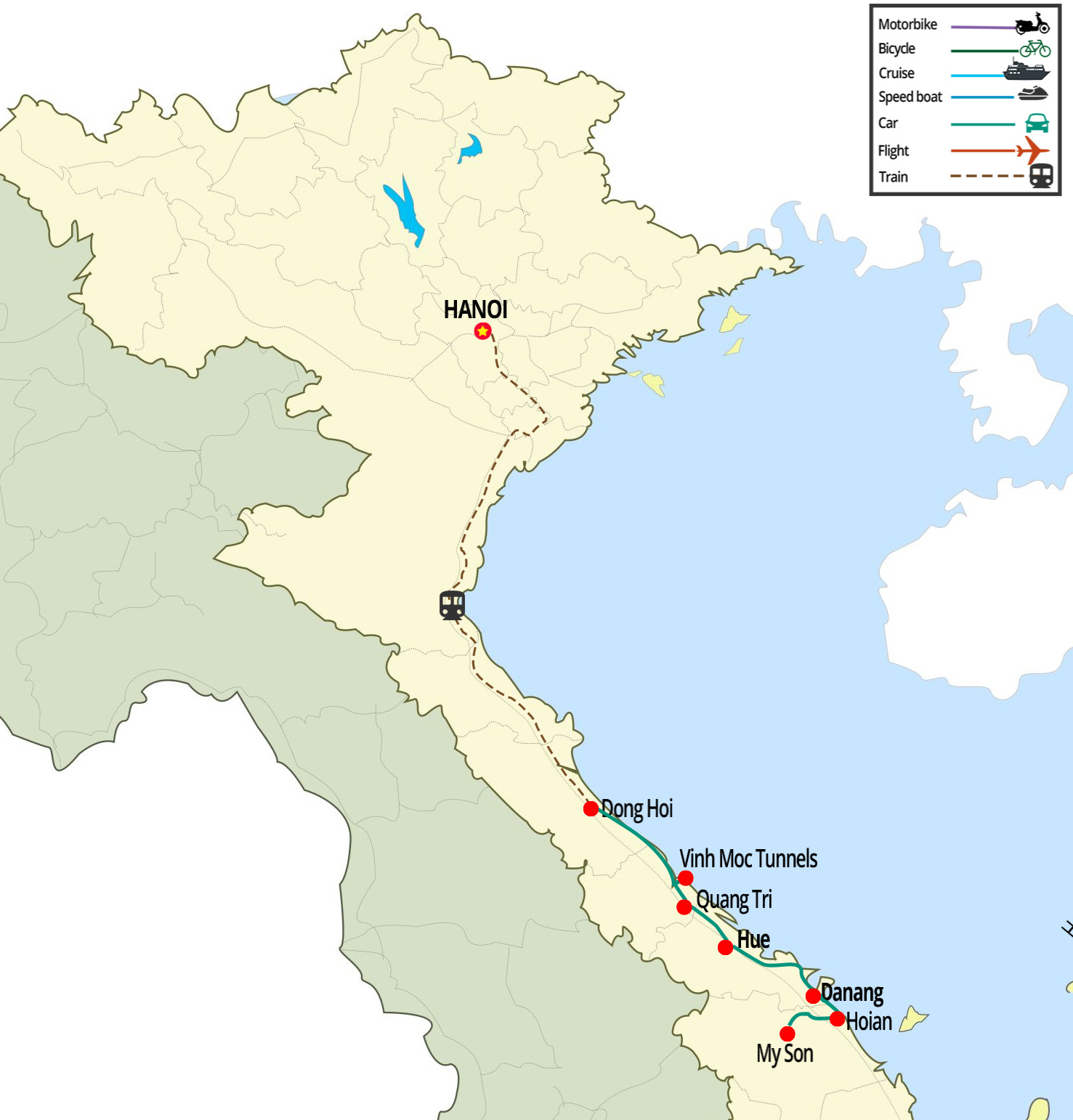
This Central Vietnam itinerary 8 days takes you on a memorable journey from Hanoi to Dong Hoi, Phong Nha, Hue, Da Nang, and Hoi An before ending with a flight to either Ho Chi Minh City or returning to Hanoi. Along the way, you'll discover some of Vietnam’s most fascinating natural wonders, UNESCO heritage sites, and cultural treasures.
Whether you're a nature lover, history enthusiast, or first-time visitor to Vietnam, this route offers a balanced travel experience combining adventure, culture, and relaxation.
If you're looking for a well-planned Vietnam 8 day itinerary, this guide will walk you through the highlights day by day.
Why Choose This Central Vietnam Itinerary?
Central Vietnam offers an incredible mix of landscapes and history within a relatively short distance. Unlike longer north-to-south journeys, this route focuses on one region, allowing travellers to explore deeply without rushing.
This 8 day Vietnam itinerary combines:
Spectacular cave systems in Phong Nha-Ke Bang National Park
Wartime history at Vinh Moc Tunnels
Imperial heritage in Hue
Coastal scenery along the Hai Van Pass
Cultural charm in Hoi An Ancient Town
The route also allows flexibility. Travellers can easily add extra days in Phong Nha for cave exploration or extend their stay in Hoi An for beach relaxation.
Day 1: Hanoi – Overnight Train To Dong Hoi
Your journey begins in Hanoi, the historic capital of Vietnam.
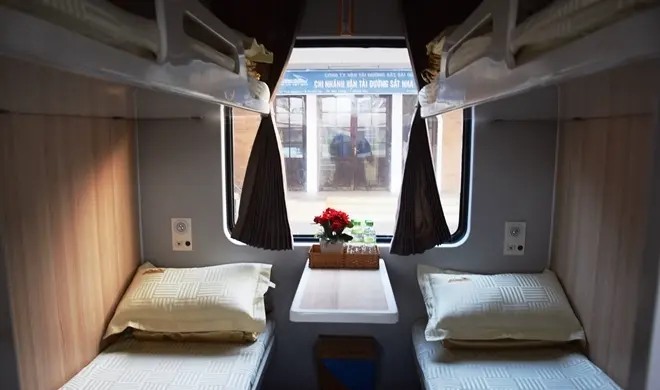
Instead of flying, many travellers choose the overnight train to Dong Hoi, which adds a unique experience to the trip. The train journey allows you to watch the landscape gradually change from the Red River Delta to the central coastline.
Sleeping berths on Vietnamese trains are comfortable enough for a night journey, and travelling overnight helps save valuable time during your itinerary.
By morning, you'll arrive in Dong Hoi, the gateway to one of Vietnam’s most extraordinary natural regions.
Day 2: Dong Hoi – Phong Nha – Thien Duong Cave
After arriving in Dong Hoi, the journey continues to Phong Nha-Ke Bang National Park, a UNESCO World Heritage Site famous for its dramatic karst mountains and massive cave systems.
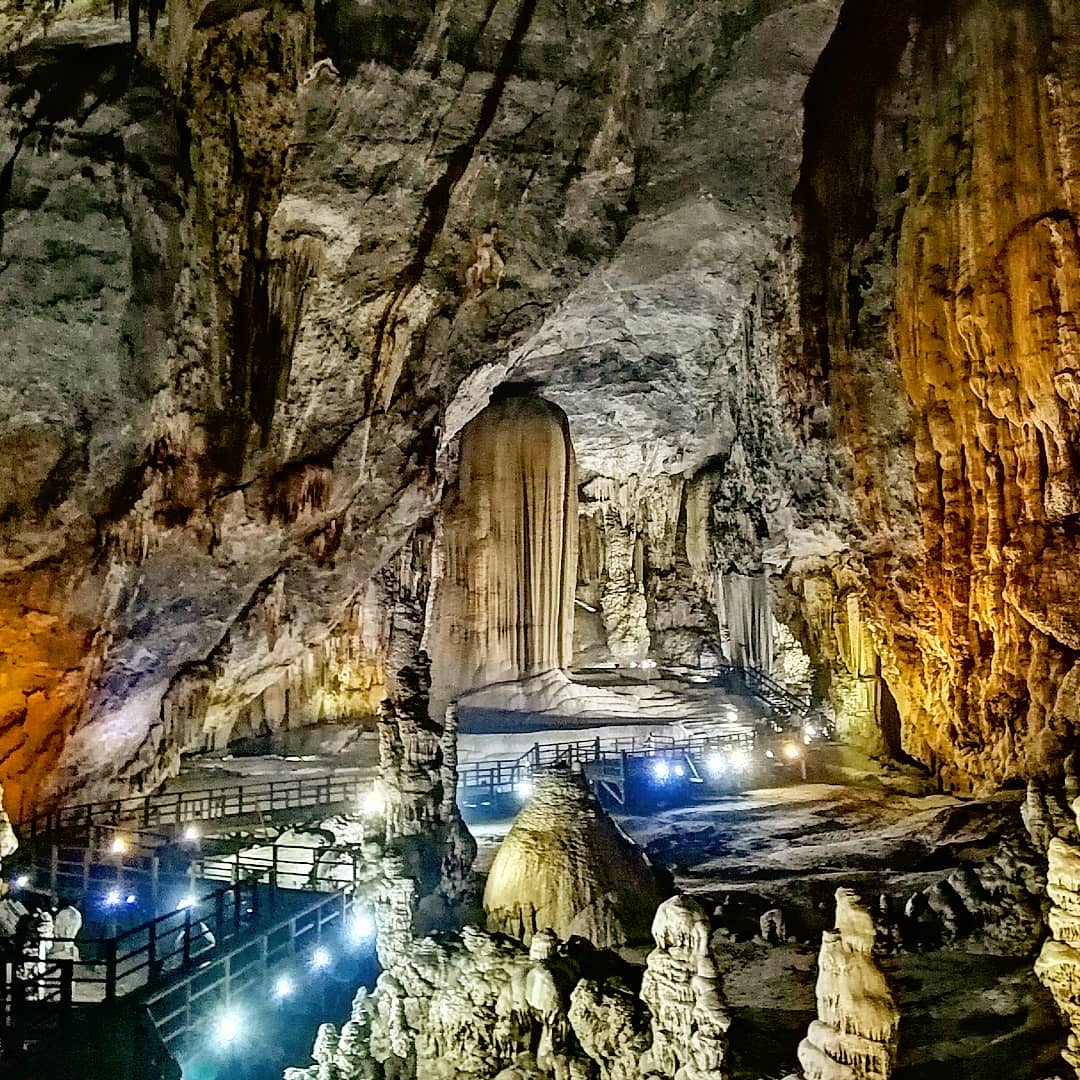
One of the highlights of the day is Thien Duong Cave (Paradise Cave), considered one of the most beautiful caves in Vietnam. Stretching over 30 kilometers underground, the cave is filled with impressive stalactites and stalagmites that resemble natural sculptures.
A wooden walkway allows visitors to explore deep inside the cave while protecting the fragile environment.
If time permits, you can also visit Phong Nha Cave, which is accessed by a boat ride along the Son River. The peaceful scenery surrounding the national park makes it easy to understand why many travellers choose to spend an additional day here.
Day 3: Phong Nha – Vinh Moc Tunnels – Hue
Leaving the lush landscapes of Phong Nha behind, today's journey heads south toward Hue.
Along the way, a meaningful stop can be made at the Vinh Moc Tunnels, an underground village built during the war. Unlike the more famous Cu Chi Tunnels in the south, Vinh Moc was designed to shelter entire families from intense bombing campaigns.
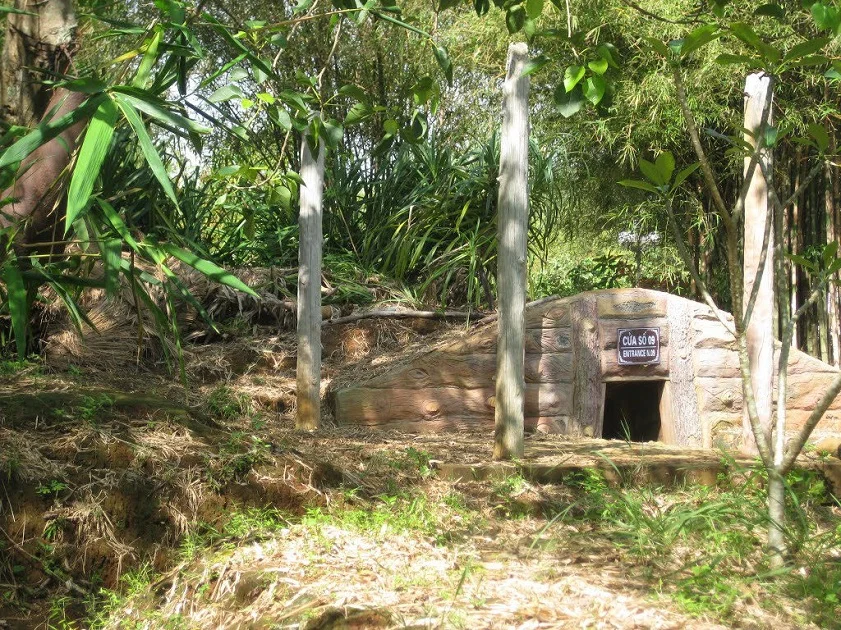
Walking through the tunnels offers a powerful perspective on the resilience of local communities during wartime.
After the visit, the journey continues to Hue, once the imperial capital of Vietnam during the Nguyen Dynasty.
Day 4: Hue – Discover The Imperial City
Today is dedicated to exploring Hue, a city rich in royal history and cultural heritage.
The highlight is the Imperial Citadel, a vast complex of palaces, temples, and gates surrounded by ancient walls and moats. Once the political and cultural center of the Nguyen Dynasty, the citadel remains one of Vietnam’s most significant historical sites.
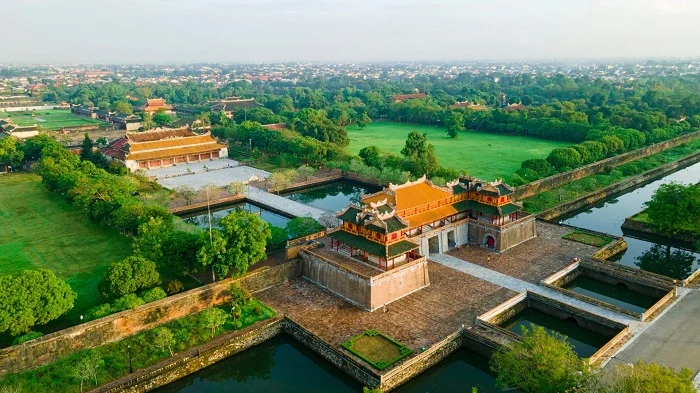
Other popular attractions include:
The Thien Mu Pagoda, overlooking the Perfume River
The royal tombs of Nguyen emperors
Traditional garden houses and pagodas scattered across the countryside
Hue is also famous for its refined cuisine, which developed during the imperial era.
Day 5: Hue – Da Nang – Hoi An
The journey from Hue to Hoi An is considered one of the most scenic drives in Vietnam.
Travelling along the legendary Hai Van Pass, you'll enjoy breathtaking views of mountains meeting the sea. This winding coastal road has become famous among travellers and photographers for its dramatic landscapes.
After passing through Da Nang, the route continues south to Hoi An, one of the most charming towns in Vietnam.
With its lantern-lit streets, preserved wooden houses, and peaceful riverside atmosphere, Hoi An offers a completely different pace of travel.
Day 6: Hoi An – Discover The Ancient Town
Today is all about exploring the beauty of Hoi An Ancient Town, a UNESCO World Heritage Site.
Centuries ago, Hoi An was an important trading port connecting merchants from China, Japan, and Europe. This multicultural influence is still visible in its architecture, temples, and merchant houses.
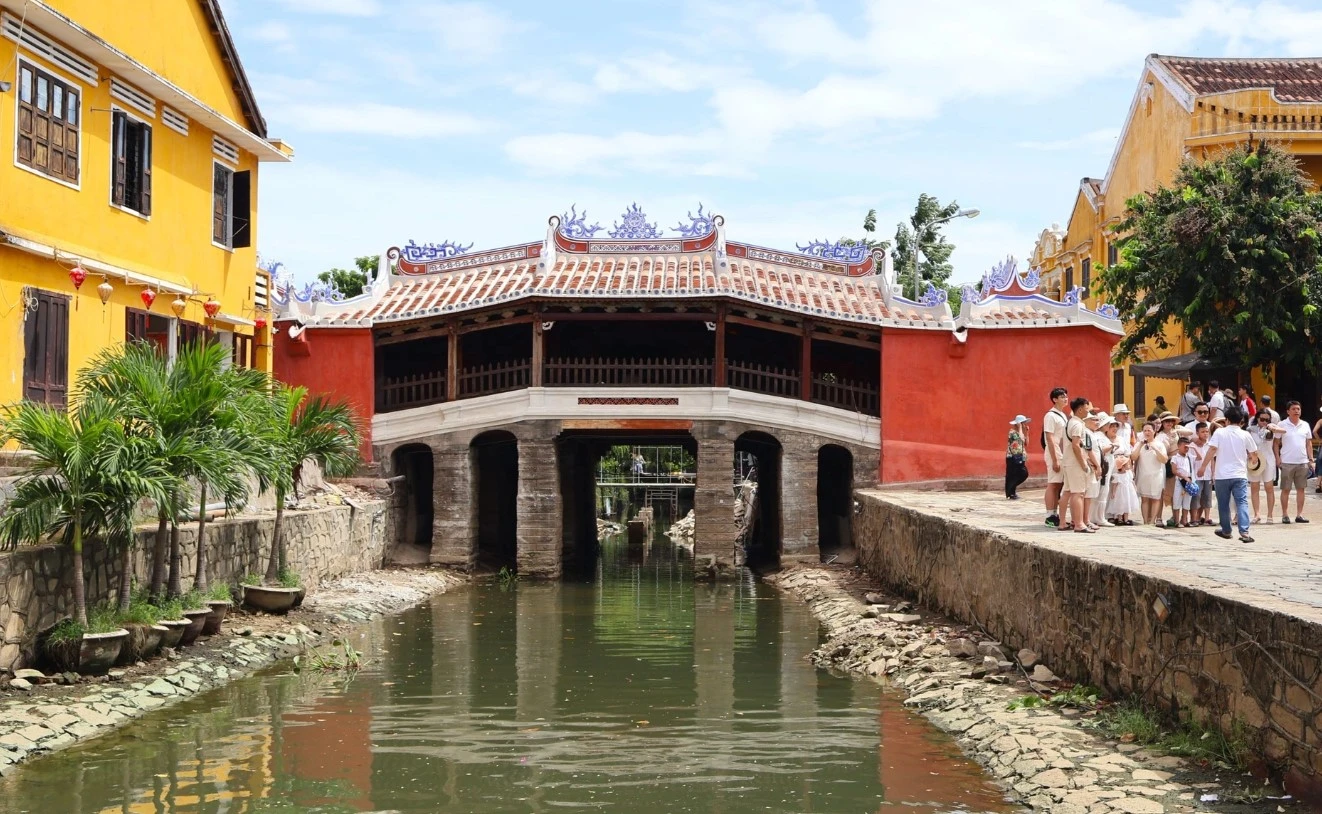
Highlights of the town include:
The Japanese Covered Bridge
Traditional Chinese assembly halls
Riverside cafés and lantern streets
Tailor shops famous for custom clothing
At night, Hoi An transforms into a magical scene as hundreds of lanterns illuminate the old streets.
Day 7: Hoi An – My Son Sanctuary – Return To Hoi An
A short trip from Hoi An brings you to My Son Sanctuary, one of Vietnam’s most important archaeological sites.
Hidden in a lush valley surrounded by mountains, My Son was once the religious center of the ancient Champa Kingdom. The complex consists of red-brick temples built between the 4th and 13th centuries.
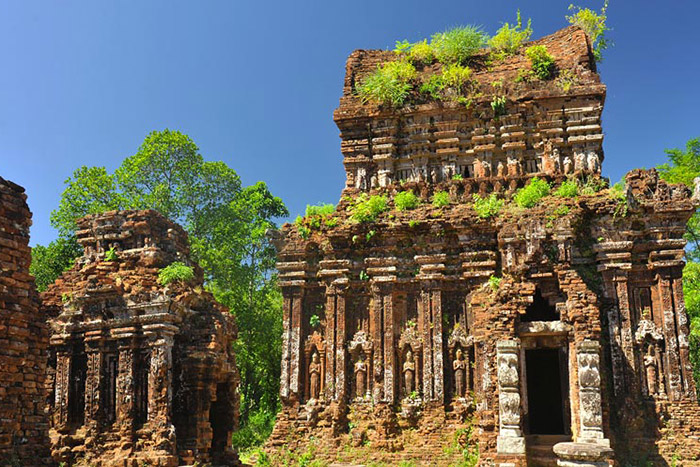
Although some structures were damaged during the war, many remain standing, offering a fascinating glimpse into the history of the Champa civilization.
After exploring the ruins, you’ll return to Hoi An.
Many travellers choose to extend their stay here, enjoying nearby beaches such as An Bang Beach or simply relaxing in the peaceful atmosphere of the old town.
Day 8: Hoi An – Da Nang – Flight To Ho Chi Minh City Or Hanoi
On the final day of this Central Vietnam 8 day itinerary, you will travel from Hoi An back to Da Nang International Airport.
From here, you can take a domestic flight to either Ho Chi Minh City to continue exploring southern Vietnam or return to Hanoi, depending on your travel plans.
Even in just eight days, this journey offers a rich introduction to Vietnam’s natural beauty, historical heritage, and vibrant culture.
Conclusion
Central Vietnam is one of the most rewarding regions to explore in the country. Within a short distance, travellers can experience underground cave systems, wartime history, imperial architecture, scenic coastal roads, and ancient trading towns.
This Central Vietnam itinerary 8 days provides a well-balanced route connecting Phong Nha, Hue, and Hoi An, three destinations that perfectly represent the diversity of the region.
If you are planning a trip to Vietnam and want a flexible itinerary combining nature, culture, and history, this journey through Central Vietnam is an excellent choice. At Authentik Vietnam, our local travel experts can help you create a customized Central Vietnam itinerary based on your preferences.
FAQs
1. When is the best time to follow this Central Vietnam itinerary?
The best months are usually February to April and August to October, when the weather is pleasant and rainfall is relatively low.
2. How do I travel between these destinations?
Most travellers use a combination of:
- Overnight train from Hanoi to Dong Hoi
- Private car or bus between Phong Nha, Hue, and Hoi An
- Domestic flight from Da Nang to the next destination
3. Is 8 days enough to explore Central Vietnam?
Yes. An 8 day itinerary is enough to cover the highlights of Phong Nha, Hue, and Hoi An. However, if you enjoy adventure activities like cave trekking, you may want to add an extra day in Phong Nha.
4. Can I extend my stay in Hoi An?
Absolutely. Many travellers add 2–3 extra days in Hoi An to relax at nearby beaches or join cooking classes and cycling tours in the countryside.
5. Is this itinerary suitable for first-time visitors to Vietnam?
Yes. This route combines famous landmarks with authentic experiences, making it ideal for first-time visitors to Vietnam.
Related Articles:
Flights to Vietnam 2026-2027: How to Find Cheap Flights & Best Time to Book
Best Time to Visit Vietnam: Detailed Monthly Weather Guide by Region
What is the Best 15-Day Vietnam Itinerary? Top Things to Do & Tour Ideas
Share


Comment
Other Blog
.jpg)
.png)
.jpg)

.jpg)
Categories
Latest News


on 12 Jun, 2019





MichaelGuiffSH
on Oct 8, 2026BetongameCZ
on Sep 24, 2026Langsweirt Galliane
on Sep 21, 2026Victoria Duncan
on Sep 1, 2026Kaushik Ghosh
on Aug 30, 2026