 Español
 Français
.jpg "Northwest Vietnam 5 Days: The Ultimate Route for Nature and Culture Lovers")
Northwest Vietnam 5 Days: The Ultimate Route for Nature and Culture Lovers
- on Apr 14, 2026 By: Thai An Le
If you are looking for a journey filled with mountains, culture and unforgettable landscapes, a Northwest Vietnam itinerary is one of the best travel experiences you can have.
This region includes destinations such as Nghia Lo, Tu Le, Mu Cang Chai, Sapa, Bac Ha and Thac Ba, each offering a different perspective of Northern Vietnam. From vast rice terraces to high mountain passes and ethnic villages, every stop along the route adds something unique to the journey.
What makes Northwest Vietnam special is not only its natural beauty but also its authenticity. The landscapes feel untouched, and the cultural experiences are real, not staged. It is the kind of trip where the road itself becomes just as memorable as the destinations.
Why choose a Northwest Vietnam itinerary
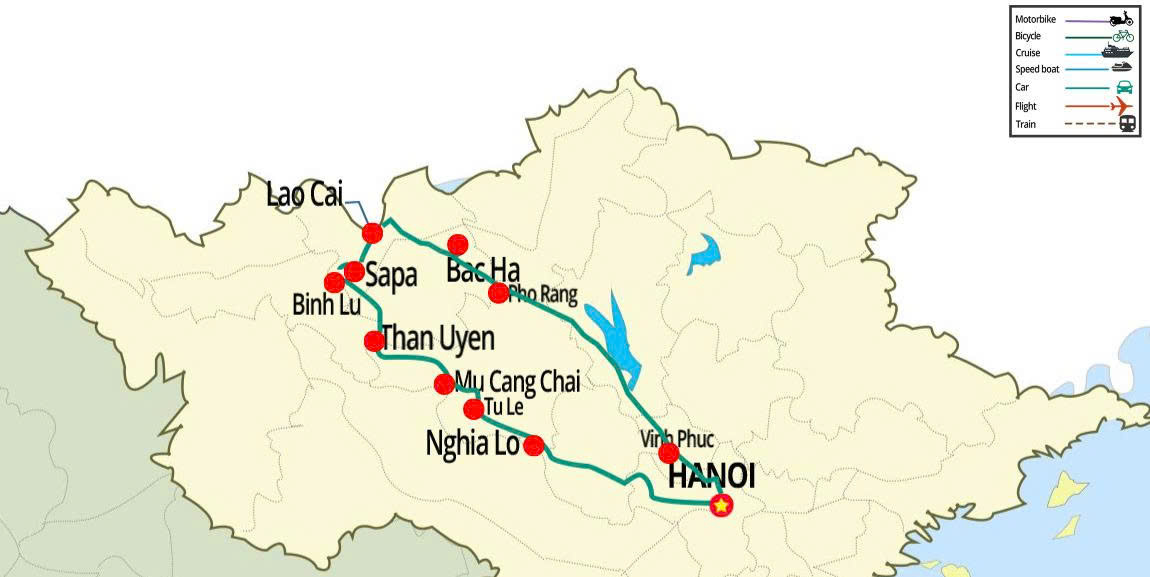
Traveling through Northwest Vietnam is less about rushing from place to place and more about enjoying the journey. As you move through the region, the scenery constantly changes, creating a sense of discovery every day.
You will pass through valleys, climb mountain passes and walk through villages where ethnic groups such as Hmong, Dao, Giay and Xa Pho still maintain their traditions. Their colorful clothing and daily activities bring life to the landscapes around them.
This combination of nature, culture and adventure is what makes Northwest Vietnam one of the most rewarding regions to explore.
Day 1: Hanoi - Nghia Lo
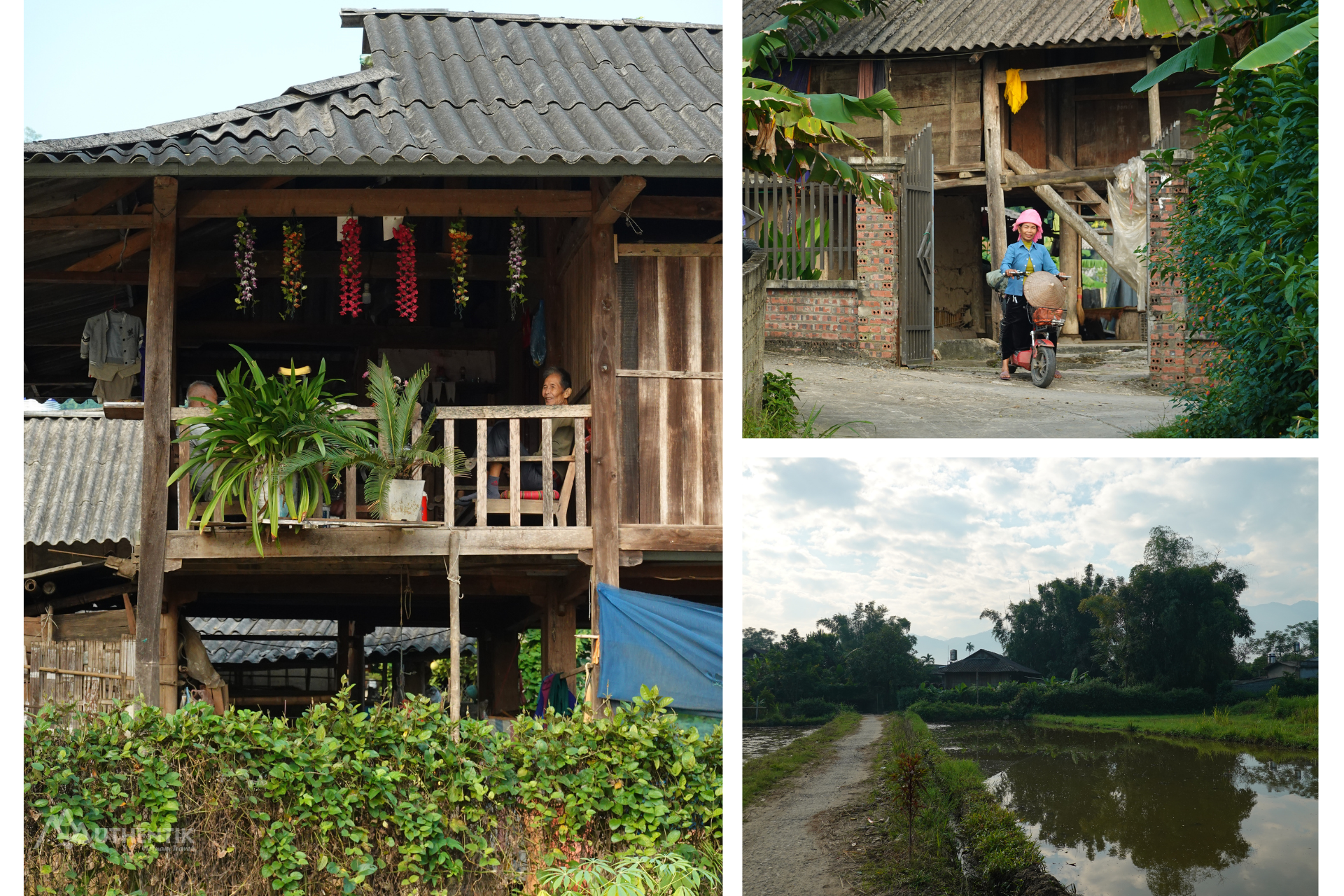
Your journey begins as you leave Hanoi and head towards Nghia Lo, a peaceful town located in a wide valley.
The drive takes several hours, but the scenery gradually shifts from urban to rural, with mountains appearing in the distance. By the time you arrive, the atmosphere feels completely different, quieter and more relaxed.
In the afternoon, cycling through the Thai valley is a great way to explore the area. You will pass rice fields, traditional stilt houses and local people working on the land.
Spending the night in a Thai stilt house adds a cultural touch to your trip. It is a simple but meaningful experience that allows you to connect with local life.
Day 2: Nghia Lo - Tu Le - Mu Cang Chai
The second day is often considered the most beautiful part of the Northwest Vietnam itinerary, as the landscapes become more dramatic and visually striking.
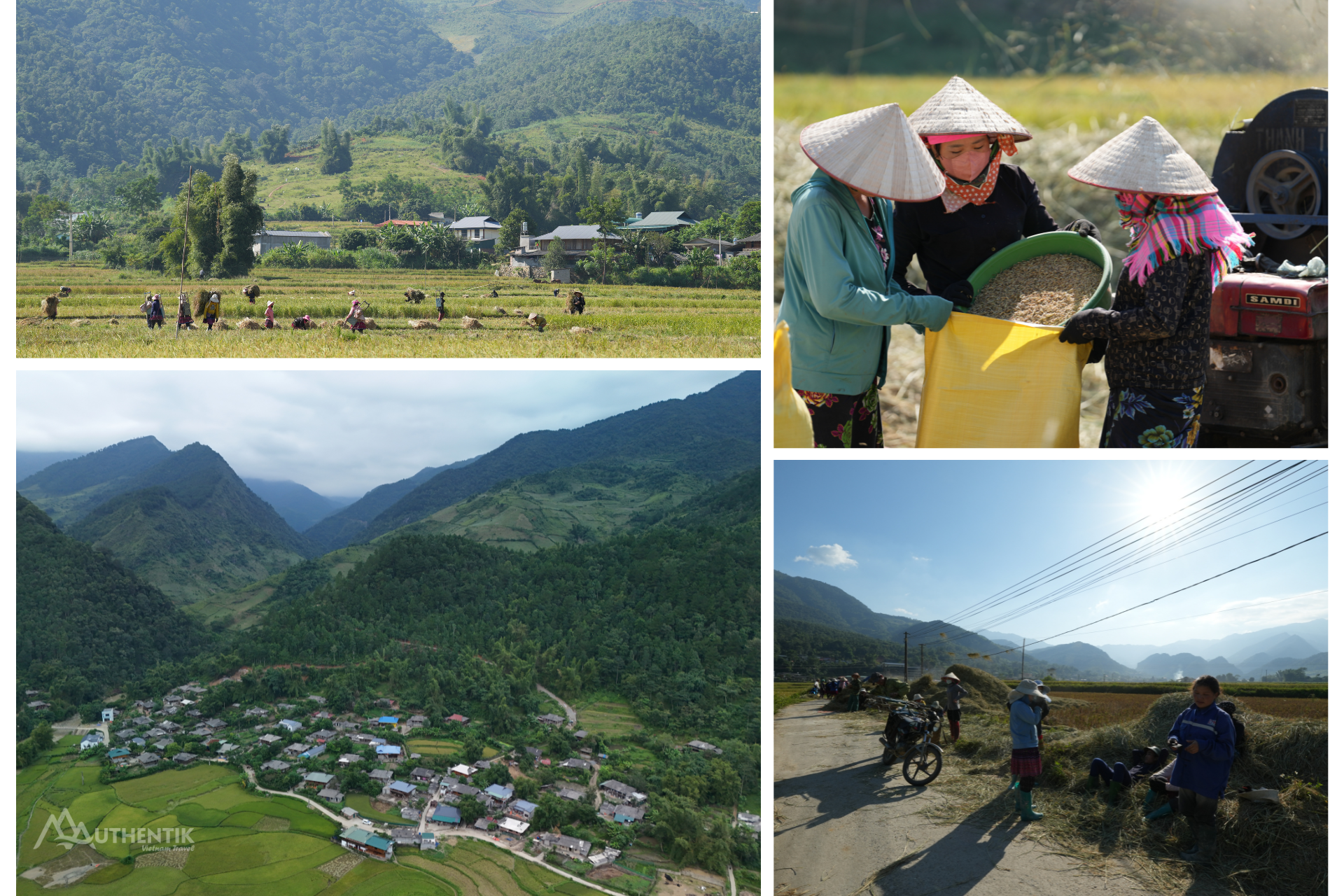
Leaving Nghia Lo, the road begins to wind through the mountains. With each turn, the views open up to reveal valleys, hills and layers of rice fields. As you approach Tu Le valley, the scenery becomes softer and more peaceful, making it a perfect place to take a break.
A short walk or light hike in Tu Le allows you to fully enjoy the surroundings. The quiet atmosphere, combined with the natural beauty of the valley, creates a moment of calm in the journey.
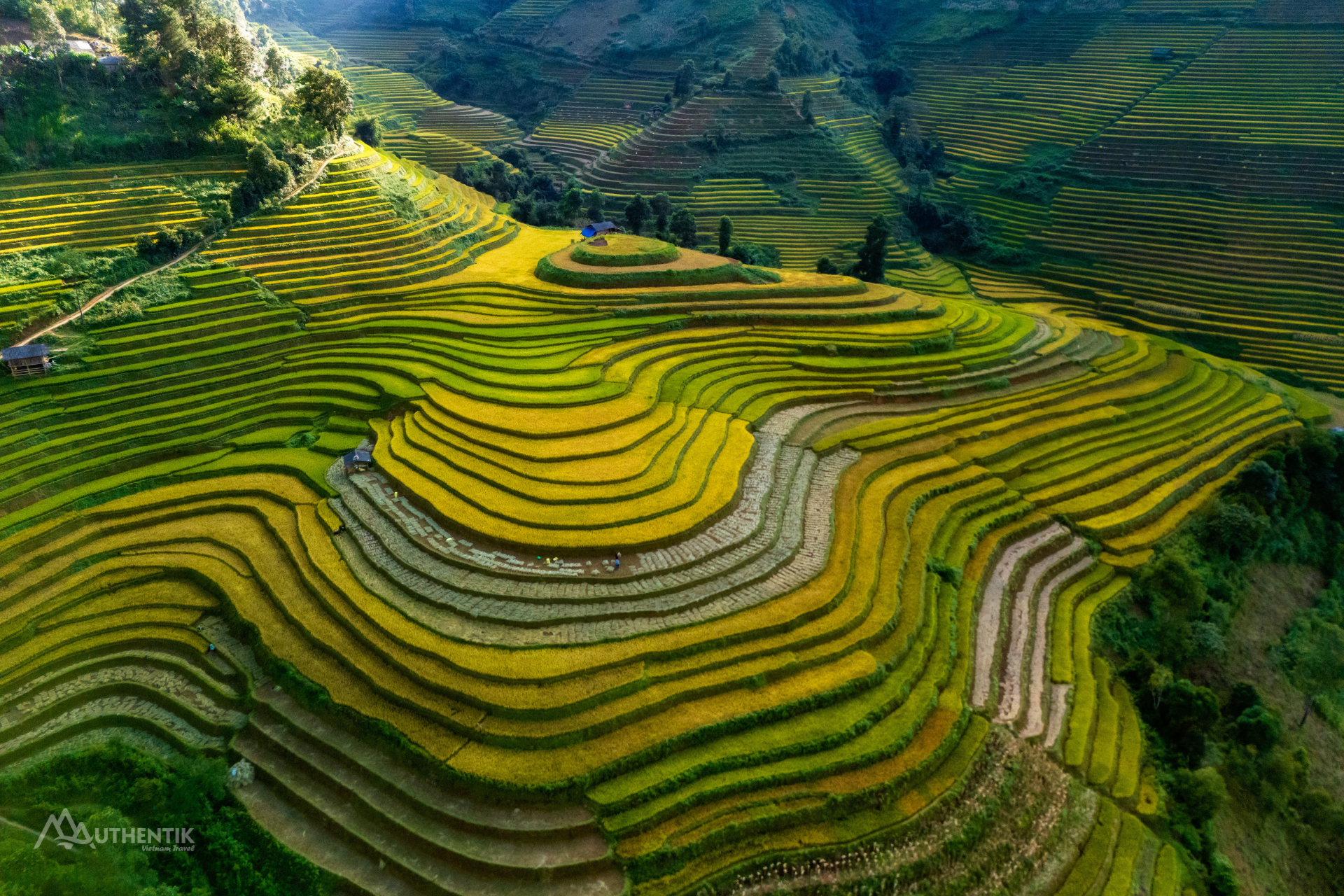
Continuing towards Mu Cang Chai, the landscape changes again. The mountains become steeper and the rice terraces begin to appear more frequently, especially during the harvest season when they turn golden.
One of the highlights of this route is La Pan Tan, home to the famous Mam Xoi hill, one of the most iconic rice terrace views in Vietnam. The terraces here are shaped in a unique way, reflecting both natural beauty and generations of farming tradition.
Upon arriving in Mu Cang Chai, exploring villages such as Che Cu Nha and De Xu Phinh adds depth to the experience. These villages are located within the terraced fields, offering a closer look at local life and traditional farming practices.
If you have more time, adding an extra day of trekking in Mu Cang Chai is highly recommended. Walking through remote areas allows you to experience the landscape more immersively and discover some of the region's most spectacular rice terrace views.
Day 3: Mu Cang Chai - Sapa via Hoang Lien Son
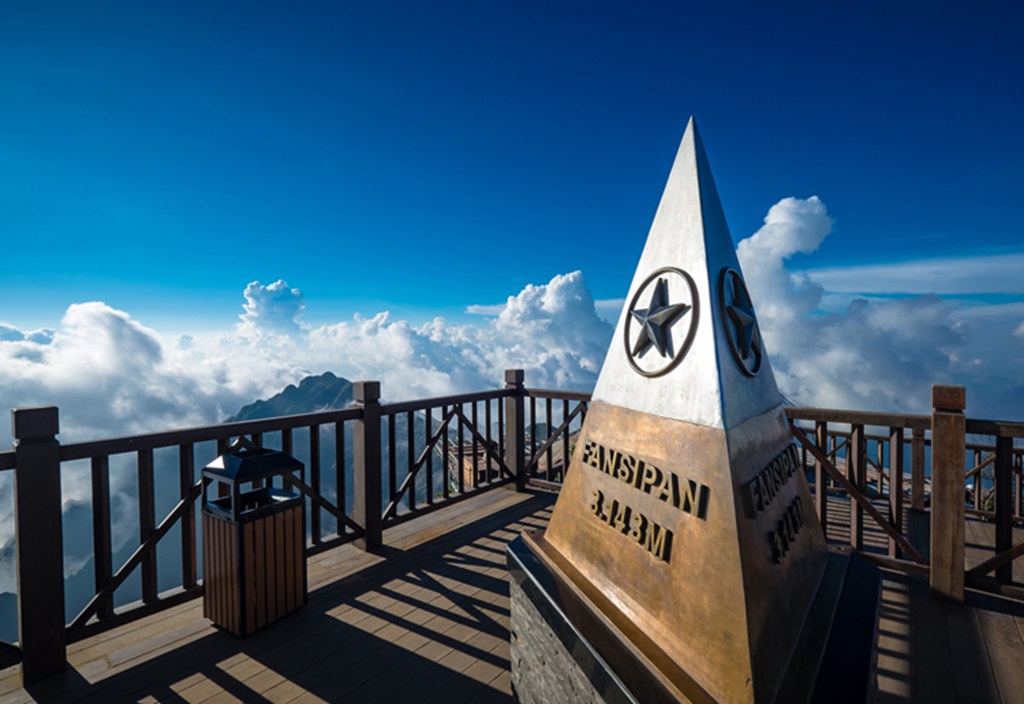
On the third day, the journey continues towards Sapa, taking you through one of the most scenic mountain routes in Vietnam. You will cross the Hoang Lien Son mountain range, reaching an altitude of over 2000 meters. This part of the journey offers breathtaking views, with mountains stretching endlessly into the distance.
If the weather is clear, you may catch a glimpse of Fansipan, the highest peak in Indochina. The landscape here feels more dramatic and rugged, creating a strong contrast with the softer valleys of previous days.
As you approach Sapa, the atmosphere changes again. The air becomes cooler, and the landscape often turns misty, giving the area a calm and almost mysterious feeling.
Day 4: Sapa - Bac Ha (cultural and trekking experience)
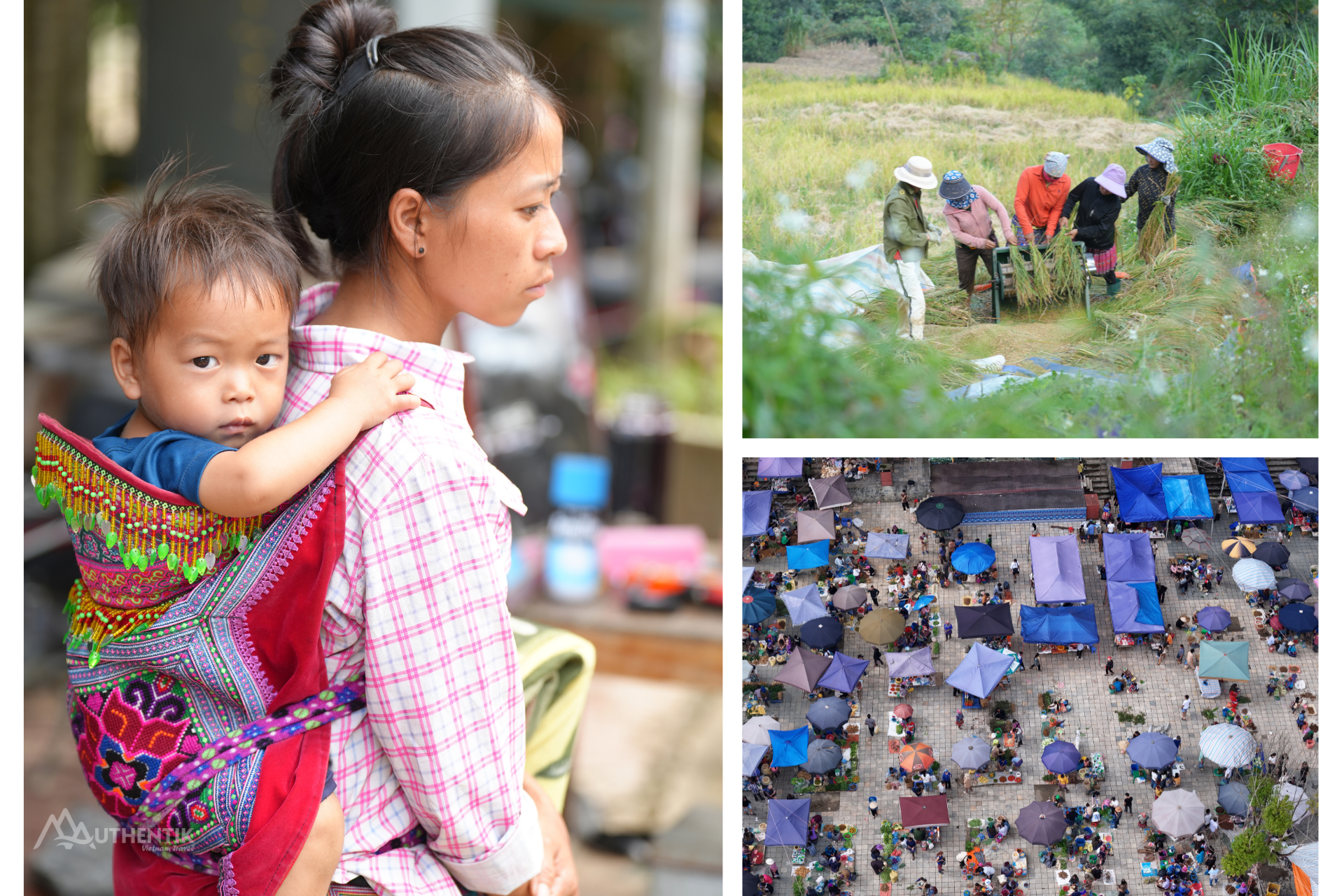
Sapa is known as one of the best places in Vietnam for trekking and cultural experiences, and this day allows you to explore both.
In the morning, you can walk through nearby villages where ethnic groups such as the Black Hmong, Red Dao and Giay live. These walks are not only about the scenery but also about understanding local life and traditions.
The trekking routes are relatively easy, making them suitable for most travelers while still offering beautiful views of rice terraces and valleys.
Later, the journey continues to Bac Ha, a quieter destination known for its authentic atmosphere and cultural diversity. Compared to Sapa, Bac Ha feels less developed and more traditional.
If your schedule allows, spending more time here or adding a trekking day can make your trip even more unique.
Day 5: Bac Ha - Thac Ba - Hanoi
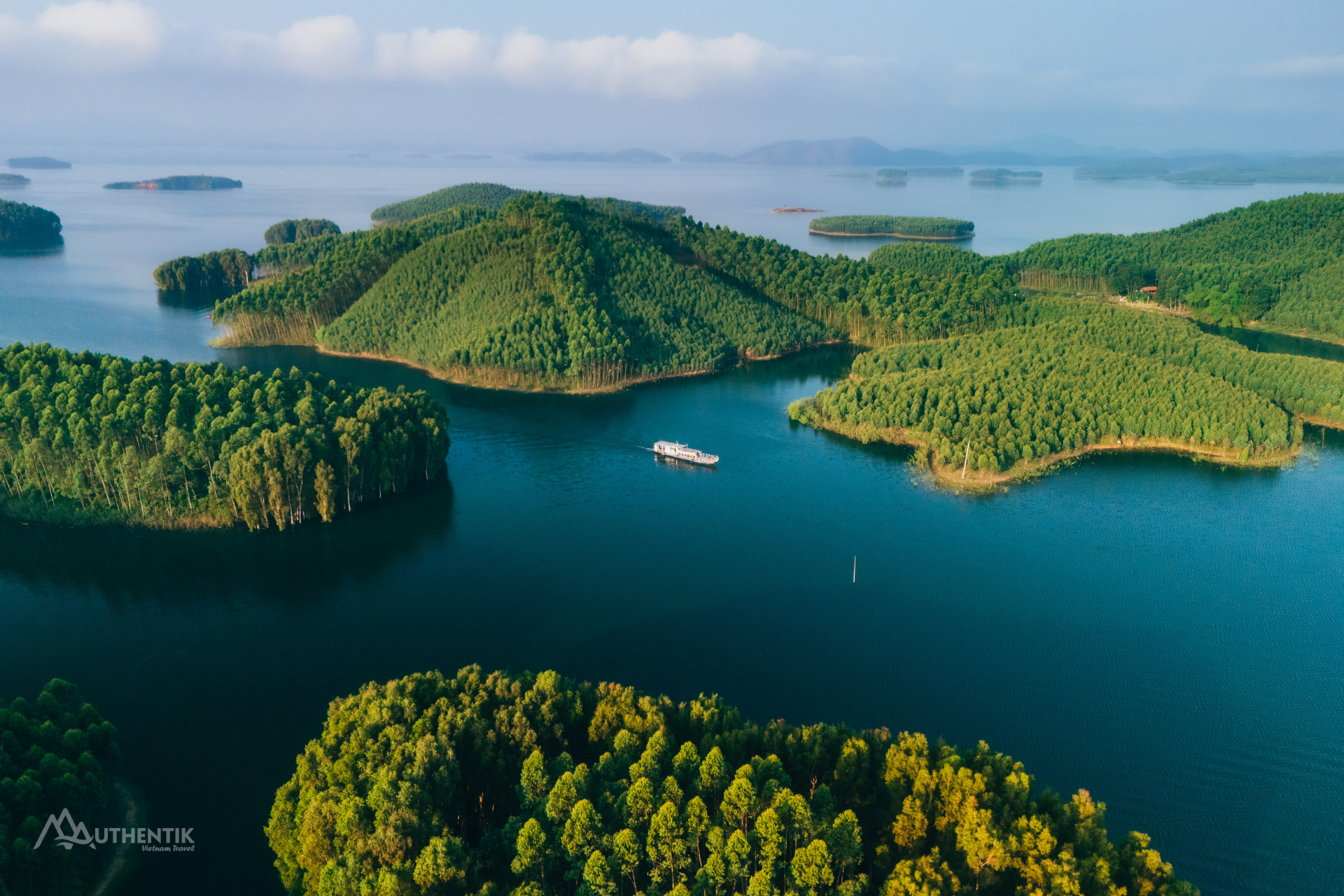
On the final day, you begin your return journey to Hanoi. Along the way, stopping at Thac Ba Lake provides a peaceful break. Surrounded by hills, the lake offers a relaxing setting where you can slow down and reflect on your trip.
By the time you arrive back in Hanoi, you will have experienced a completely different side of Vietnam, one that is less crowded but rich in both natural beauty and cultural diversity.
Conclusion
A Northwest Vietnam itinerary is more than just a travel plan. It is a journey through some of the most breathtaking landscapes and culturally rich regions in the country.
From the peaceful valleys of Nghia Lo to the stunning rice terraces of Mu Cang Chai, and from the mountain views of Sapa to the authentic atmosphere of Bac Ha, every stop along the way offers a different perspective of Vietnam. What makes this journey truly special is not only the scenery, but also the opportunity to connect with local communities and experience traditions that have been preserved for generations.
If you are looking for a trip that combines nature, culture and adventure, Northwest Vietnam is a destination that will leave a lasting impression.
For a smoother and more personalized experience, you can also explore curated journeys with Authentik Vietnam, where local expertise helps you discover hidden gems, plan your route efficiently and experience the region in a more meaningful way.
FAQ Northwest Vietnam itinerary
- How many days do you need for Northwest Vietnam?
Five days is enough to cover the main highlights, but seven to ten days is ideal if you want to include trekking.
- Is Mu Cang Chai worth visiting?
Yes, it is one of the most beautiful destinations in Vietnam, especially known for its rice terraces.
- Can I do trekking in Mu Cang Chai?
Yes, trekking around Che Cu Nha and De Xu Phinh offers some of the best experiences in the region.
- Is Sapa or Mu Cang Chai better?
Sapa is more developed and easier to access, while Mu Cang Chai is quieter and more authentic.
- What is the highlight of Northwest Vietnam?
The route between Tu Le and Mu Cang Chai is often considered the most scenic.
- When is the best time to visit Northwest Vietnam?
The best time to follow a Northwest Vietnam itinerary depends on the type of scenery you want to experience. From September to October, the rice terraces turn golden, creating the most iconic landscapes. From May to June, the fields are filled with water, reflecting the sky and mountains in a unique way. Each season offers its own charm, so there is no wrong time to visit.
- What are some travel tips for Northwest Vietnam?
Traveling in this region requires some preparation due to the mountainous terrain. Distances may look short on the map, but travel time can be longer than expected, so it is better to plan a relaxed itinerary. You can travel by motorbike, private car or guided tour depending on your preference. Staying in local homestays is highly recommended if you want a deeper connection with the culture.
Related Articles:
Northeast Vietnam 5 Days: Escape The Tourist Trail To Touch Raw Beauty
Vietnam in 15 Days: Travel Ideas, Routes & Experiences
Northwest Vietnam Loop: Best Routes, Itinerary & Things to Do
Share


.jpg&description=Northwest%20Vietnam%205%20Days:%20The%20Ultimate%20Route%20for%20Nature%20and%20Culture%20Lovers)


Comment
Other Blog
.png)
.jpg)

.jpg)
Categories
Latest News


on 12 Jun, 2019





MichaelGuiffSH
on Oct 8, 2026BetongameCZ
on Sep 24, 2026Langsweirt Galliane
on Sep 21, 2026Victoria Duncan
on Sep 1, 2026Kaushik Ghosh
on Aug 30, 2026