 Español
 Français
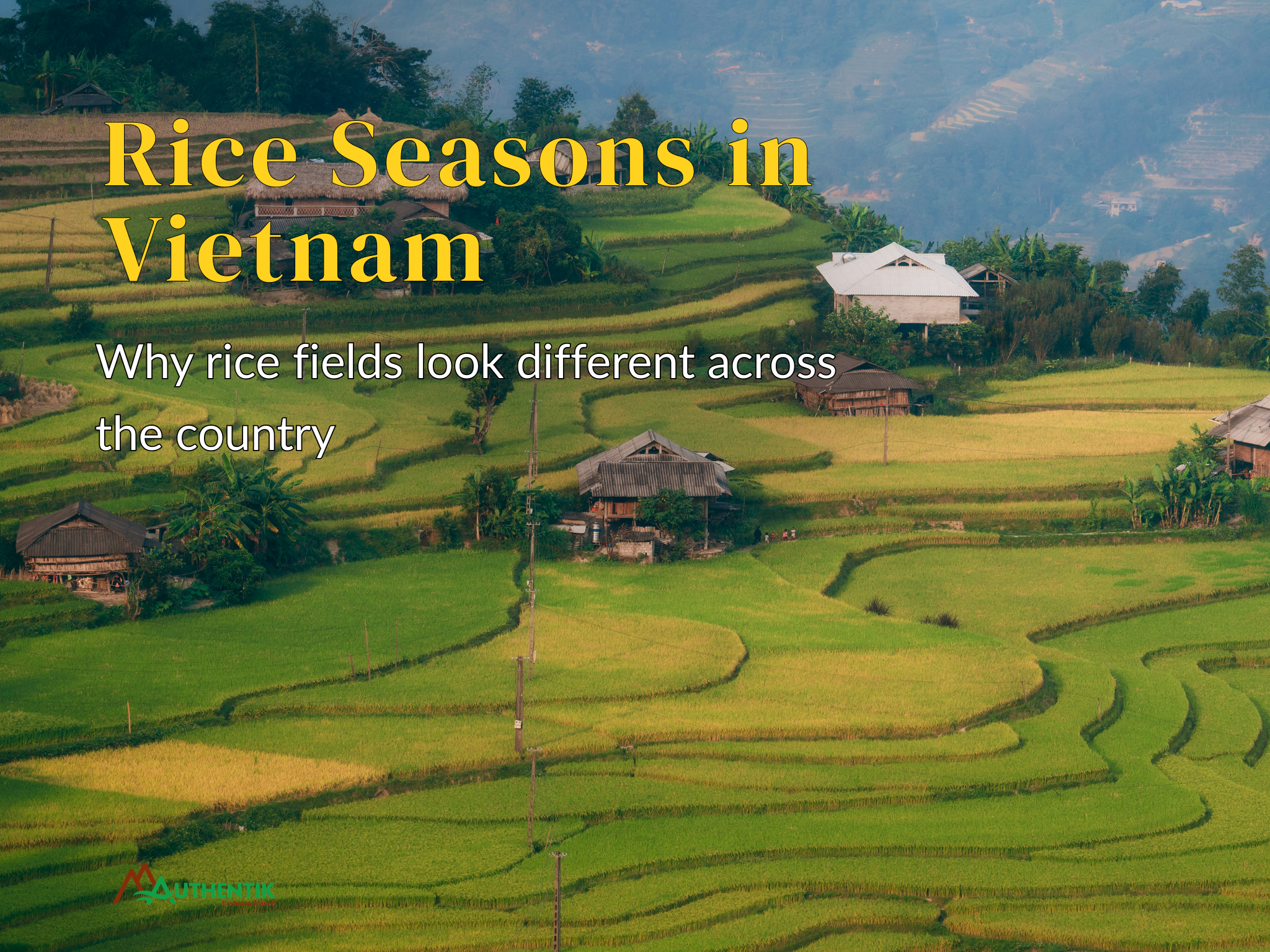
Why Rice Fields Look Different Across Vietnam: A Geographic and Cultural Guide
- on Mar 19, 2026 By: Thai An Le
Have you ever scrolled through photos of Vietnam and wondered why rice fields in Sa Pa cling to steep mountainsides like giant green staircases, while fields in Ninh Binh stretch flat along winding rivers, and those in the Mekong Delta seem to go on forever like a green ocean?
The answer lies beneath the surface. It is shaped by geography, climate, and culture, all working together over centuries. Vietnam’s rice fields are not just farmland. They are living landscapes that reflect how people adapt to their environment.
How Does Geography Shape Rice Fields in Vietnam?
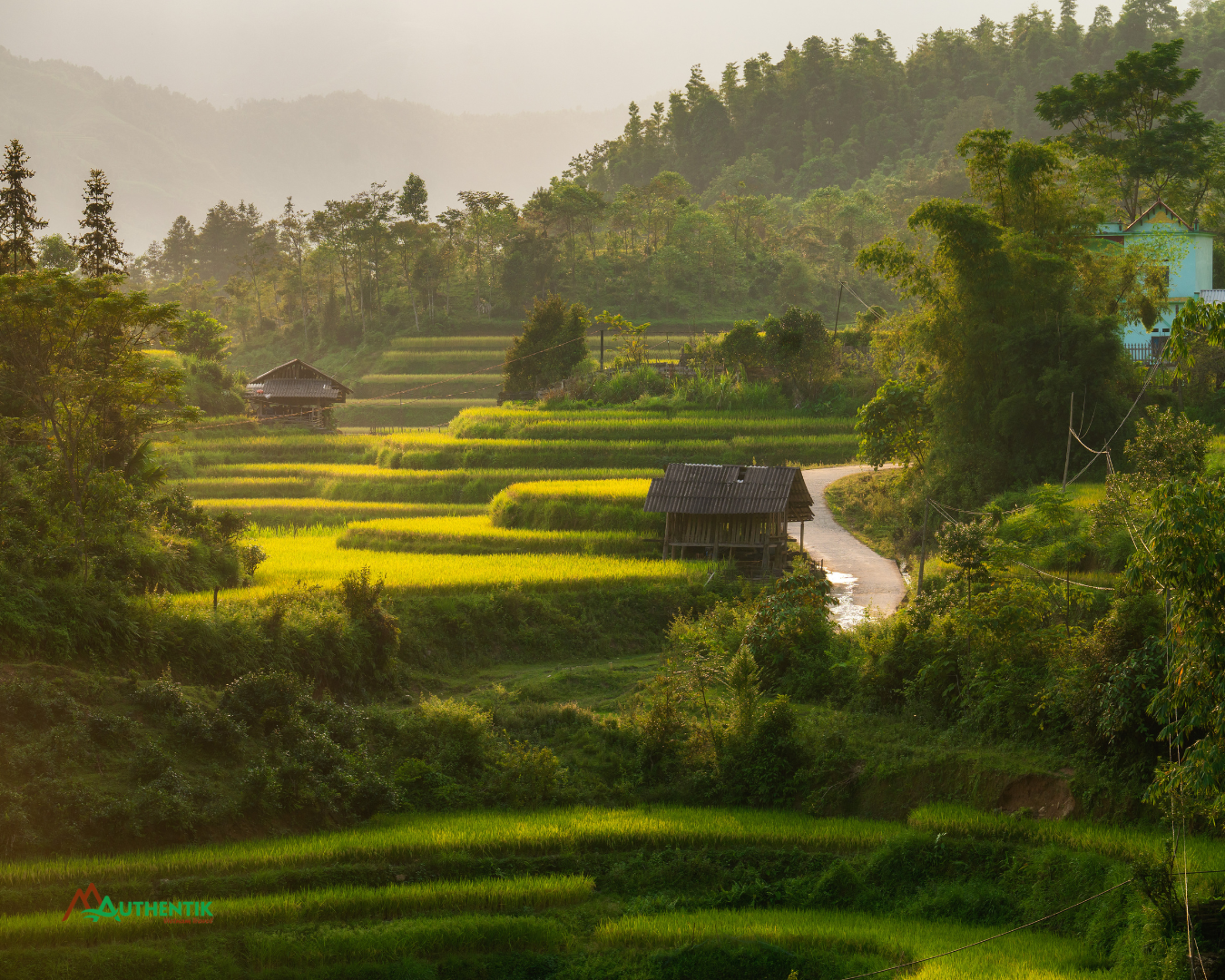
In the northern highlands, places like Ha Giang and Sa Pa are dominated by steep mountains. Flat land is extremely limited, which forces farmers to carve terraces into the slopes.
These terraces are narrow, layered, and follow the natural contours of the mountains. Water comes mainly from rain and small streams, making irrigation more fragile and dependent on nature.
In contrast, regions like Ninh Binh, Pu Luong, and the Red River Delta offer flat terrain and fertile soil formed by rivers over thousands of years. Fields here are larger, more geometric, and easier to cultivate.
Further south, the Mekong Delta presents a completely different picture. The land is flat and low-lying, with an intricate network of rivers and canals. Rice fields here are vast and continuous, shaped more by water management than by terrain.
What Are Transitional Rice Landscapes in Vietnam?
.png)
Between the high mountains and the flat deltas lies a transitional zone that is often overlooked but incredibly important. Regions like Mai Chau, Pu Luong, Ninh Binh, and the Red River Delta represent a perfect balance between terrain and cultivation.
The landscape here is made up of gentle valleys surrounded by rolling hills. Unlike the steep terraces of Ha Giang, the slopes are softer, allowing for a mix of flat rice paddies and low terraces.
What makes these regions truly unique is how geography allows for more flexibility in farming. The land is not too steep, and water sources are more stable thanks to streams and valley systems. This creates conditions that are very different from high mountain regions.
How Does Climate Affect Rice Farming in Vietnam?
Climate is where the most visible differences begin to appear, especially when comparing the number of rice crops per year.
One Crop Per Year in High Mountains
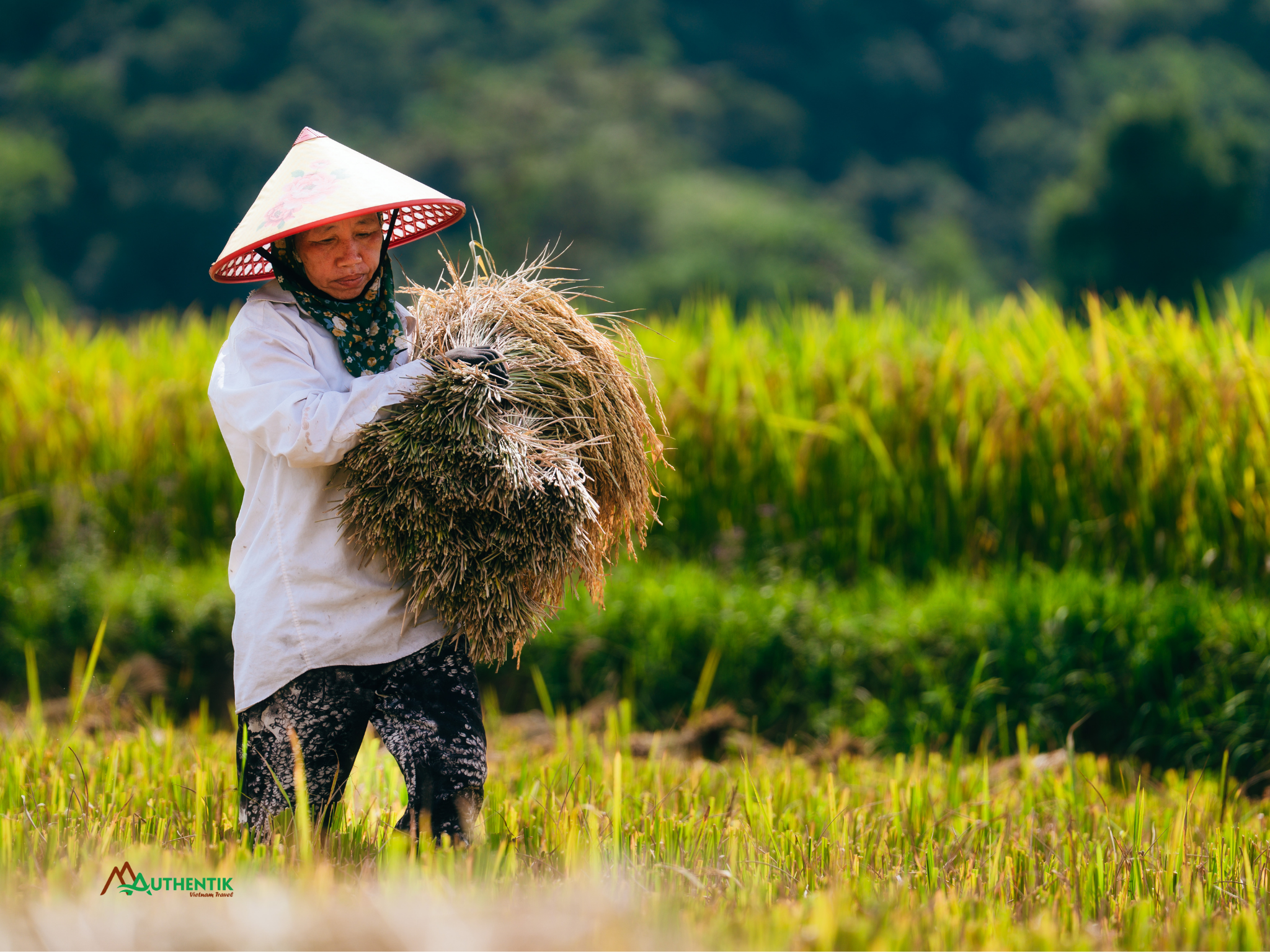
In high-altitude regions like Ha Giang and Sa Pa, winters are cold and sometimes harsh. Rice cannot grow during these months, which limits farmers to just one crop per year.
This single crop becomes incredibly important. Farmers carefully time planting and harvesting to make the most of the warmer months.
Because the growing period is longer, the rice often develops a deeper flavour and higher quality. Visually, the landscape transforms dramatically over time. At first, terraces are filled with water reflecting the sky. Then they turn lush green, and finally golden during harvest.
This once-a-year transformation creates the iconic “golden season” that attracts photographers from around the world.
Two Crops Per Year in Northern Lowlands & Valleys
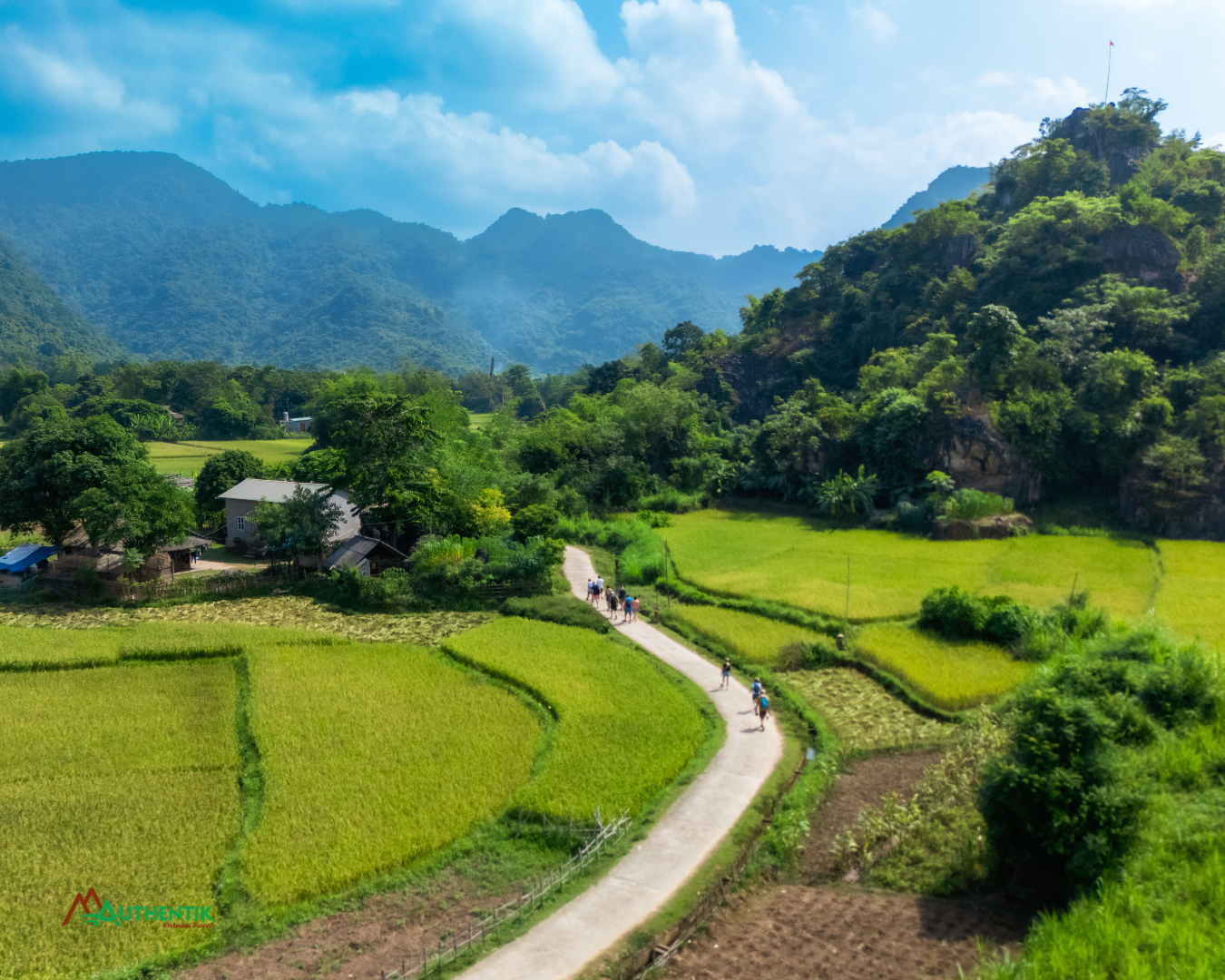
In contrast, regions like Mai Chau, Ninh Binh, and Pu Luong benefit from a milder climate.
The winters here are not as cold as in the high mountains, and water sources are more reliable. This allows farmers to grow two rice crops per year.
This difference completely changes how the landscape looks and feels.
Instead of one long, dramatic cycle, the fields in these regions go through two shorter cycles. After the first harvest, the land quickly returns to a reflective water surface before turning green again for the second crop.
As a result, visitors can experience multiple “beautiful seasons” within the same year. The fields are rarely empty, and the rhythm of farming feels more continuous and dynamic compared to the highlands.
This is a key visual difference. While Sa Pa offers one peak golden season, Northern Lowlands & Valleys offer two waves of transformation, each with its own charm.
Three Crops Per Year in the Mekong Delta
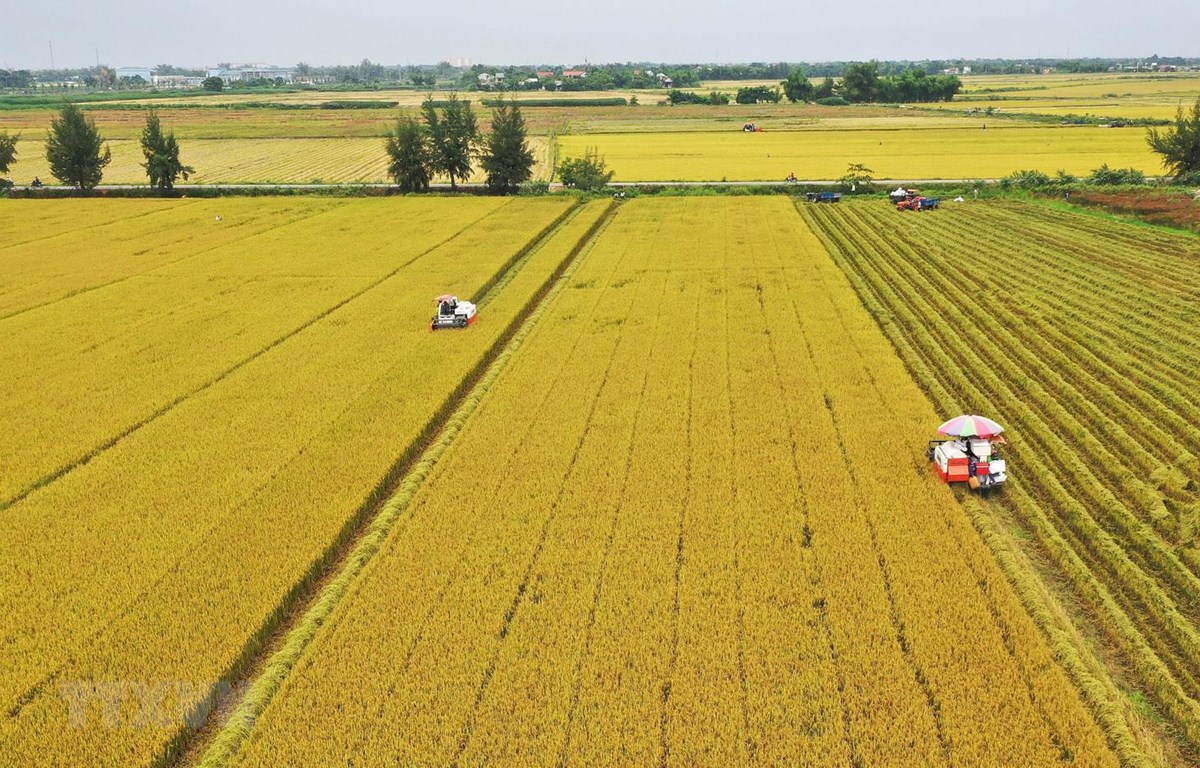
Further south in the Mekong Delta, the climate is tropical and warm year-round. There is no real winter, allowing farmers to grow up to three rice crops annually.
The landscape here rarely pauses. There is always planting, growing, or harvesting happening somewhere.
This constant activity creates the impression of endless green fields stretching to the horizon.
Conclusion
If you want to quickly understand why rice fields look different across Vietnam, this is the most important distinction.
In high mountain regions like Ha Giang and Sa Pa, the landscape is defined by a single annual crop. This creates a dramatic, once-a-year transformation that feels rare and precious.
In transitional regions like Mai Chau and Pu Luong Nature Reserve, the presence of two crops creates a more continuous and dynamic landscape. The fields change more often, offering multiple moments of beauty throughout the year.
This difference is not just agricultural. It shapes how people live, work, and experience the land.
At Authentik Vietnam, we design journeys that follow these natural rhythms, helping you experience each region at its most beautiful, not just visually, but culturally and authentically
FAQs
What is the difference between one crop and two crop regions?
In high mountain areas, farmers can grow only one rice crop per year, creating a single dramatic transformation. In lower regions, two crops per year allow for more frequent changes in the landscape, offering multiple beautiful seasons.
What is the difference in rice seasons across Vietnam?
Rice seasons in Vietnam vary by region due to differences in climate and geography:
- Northern highlands (e.g. Ha Giang, Sa Pa): Only one rice crop per year due to colder temperatures and higher altitude.
- Northern lowlands & valleys (e.g. Ninh Binh, Pu Luong): Two crops per year, thanks to milder weather and more stable water sources.
- Southern region (Mekong Delta): Up to three crops per year, supported by a tropical climate with year-round warmth.
When is the best time to see rice fields in Northern Vietnam lowlands and valleys?
In regions like Hanoi, Ninh Binh, Mai Chau, and Pu Luong, there are two rice seasons per year, offering multiple opportunities to see beautiful landscapes:
Season 1
March – April: Green rice fields
May – June: Golden rice and harvest season
Season 2
July – August: Planting and green rice fields
September – October: Golden rice and second harvest
This means you can experience both lush green landscapes and golden rice fields at different times of the year, making these regions more flexible for travel planning.
Why do rice fields look different in different regions of Vietnam?
Rice fields in Vietnam vary mainly due to geography and climate. Mountainous areas like Ha Giang and Sa Pa have steep terrain, while regions such as Mai Chau or Pu Luong offer gentler landscapes, and the Mekong Delta is flat and water-rich.
Why do northern rice terraces look more dramatic?
Because they are built on steep mountain slopes, terraces create layered landscapes that follow the natural contours of the terrain, making them more visually striking than flat fields.
Related Articles:
Why Choose Mai Chau and Pu Luong Over Sapa in March and April?
Vietnam Travel Weather 2026: The Ultimate Guide to Planning Your Perfect Trip
Which Boat Ride in Ninh Binh Is Best? Tam Coc, Trang An or Van Long Explained
Top 8 destinations to see golden rice season in Vietnam
Share


Comment
Other Blog
.png)
.png)


Categories
Latest News


on 12 Jun, 2019




MichaelGuiffSH
on Oct 8, 2026BetongameCZ
on Sep 24, 2026Langsweirt Galliane
on Sep 21, 2026Victoria Duncan
on Sep 1, 2026Kaushik Ghosh
on Aug 30, 2026