 Español
 Français

Ha Giang Vietnam: Complete Guide 2026 – Itineraries, Landscapes, Culture, and Gastronomy
- on Dec 13, 2025 By: Trang Nhung NGUYEN
Ha Giang Vietnam is a legendary destination in the Northeast, renowned for its spectacular mountain landscapes, well-preserved ethnic villages, and rare authenticity. The famous Ha Giang Loop Vietnam, a panoramic route stretching several hundred kilometers, attracts French-speaking travelers each year in search of adventure, culture, and meaningful human encounters. This comprehensive guide by Authentik Vietnam offers a detailed overview: a 4-day itinerary, major points of interest, local gastronomy with precise addresses, reliable accommodations, and practical advice.
Why does Ha Giang appeal so much to French-speaking travelers?
Ha Giang attracts an increasing number of visitors each year from France, Belgium, and Switzerland. The reasons are numerous:
A unique mountainous region
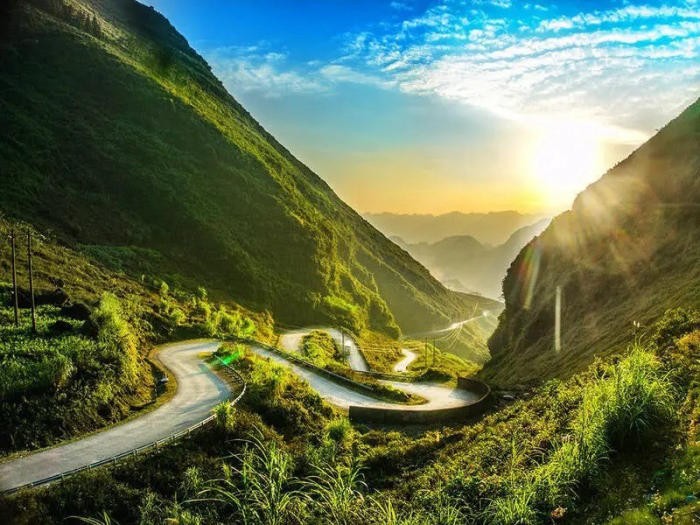
Ha Giang Vietnam reveals breathtaking landscapes: steep limestone mountains, deep valleys, terraced rice fields, and winding roads stretching between vertiginous peaks. This still-pristine nature makes the Ha Giang Loop Vietnam one of the most magnificent experiences in Asia.
To further inspire your trip, also consult the page Top 10 things to do in Ha Giang, a useful reference for planning according to your interests.
Ethnic richness and living culture
More than 20 ethnic groups coexist in Ha Giang: Hmong, Tay, Dao, Lô Lô… Their colorful markets, traditional stone or rammed-earth houses, seasonal festivals, embroidered clothing, and distinct languages make Ha Giang Vietnam a true cultural world, fascinating for anyone wishing to discover the country’s human diversity.
What to see in Ha Giang Vietnam: the most beautiful landscapes and cultural sites
Dong Van Karst Plateau (UNESCO)
The Dong Van Plateau, one of the four major karst plateaus in Vietnam, stands out for its monumental rock formations, narrow valleys, traditional farming, and ancient agricultural practices. You will find cornfields growing on black stone, local medicinal herbs, temperate fruit orchards, and isolated villages. This exceptional geological landscape, recognized by UNESCO, is one of the major stops of the Ha Giang Loop Vietnam.
Dong Van Old Quarter
This old quarter—one of the best preserved in the country—brings together more than forty stone and wooden houses built in the 19th century by the Hmong. The alleys, lanterns, tiled roofs, and small shops create an ancient setting, perfect for understanding the region’s history.
Sung La Valley
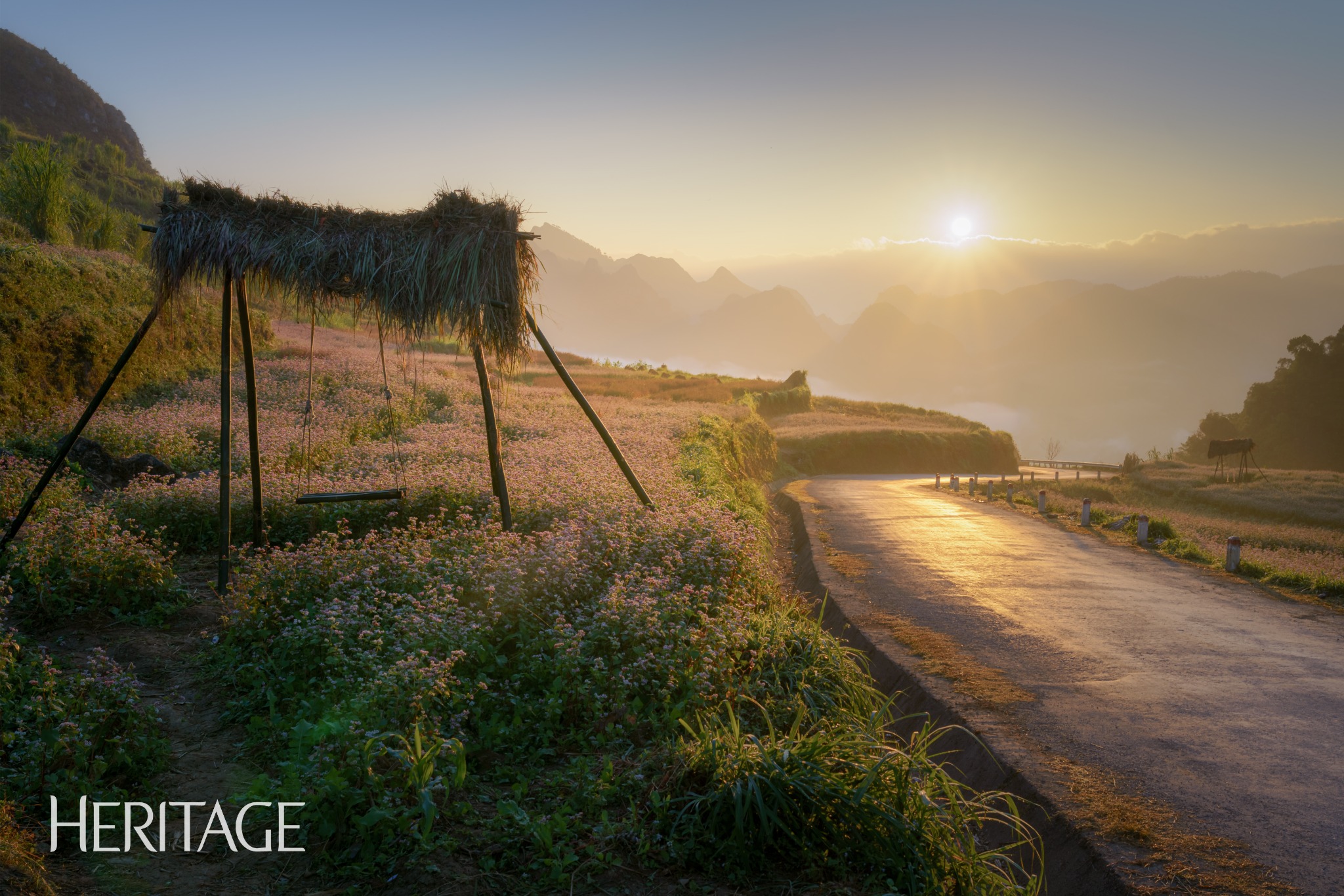
Nestled at an altitude of 1,000 m, the Sung La Valley is famous for its cool climate, orchards (apple, pear, plum, peach trees…), and above all for its superb buckwheat flower fields (tam giác mạch). It is an ideal place to:
Go hiking
Admire typical landscapes
Photograph flower-covered hills
Observe the rural life of ethnic communities
Lung Cu Flag Tower
Erected at an altitude of 1,700 m, the Lung Cu Tower symbolizes Vietnam’s sovereignty at its northernmost point. Climbing the steps to the top offers an impressive view of neighboring China and Hmong hamlets. It is a place filled with emotion for Vietnamese people and a symbolic stop on the Ha Giang Loop.
Ma Pi Leng Pass (Ma Pi Leng Vietnam)
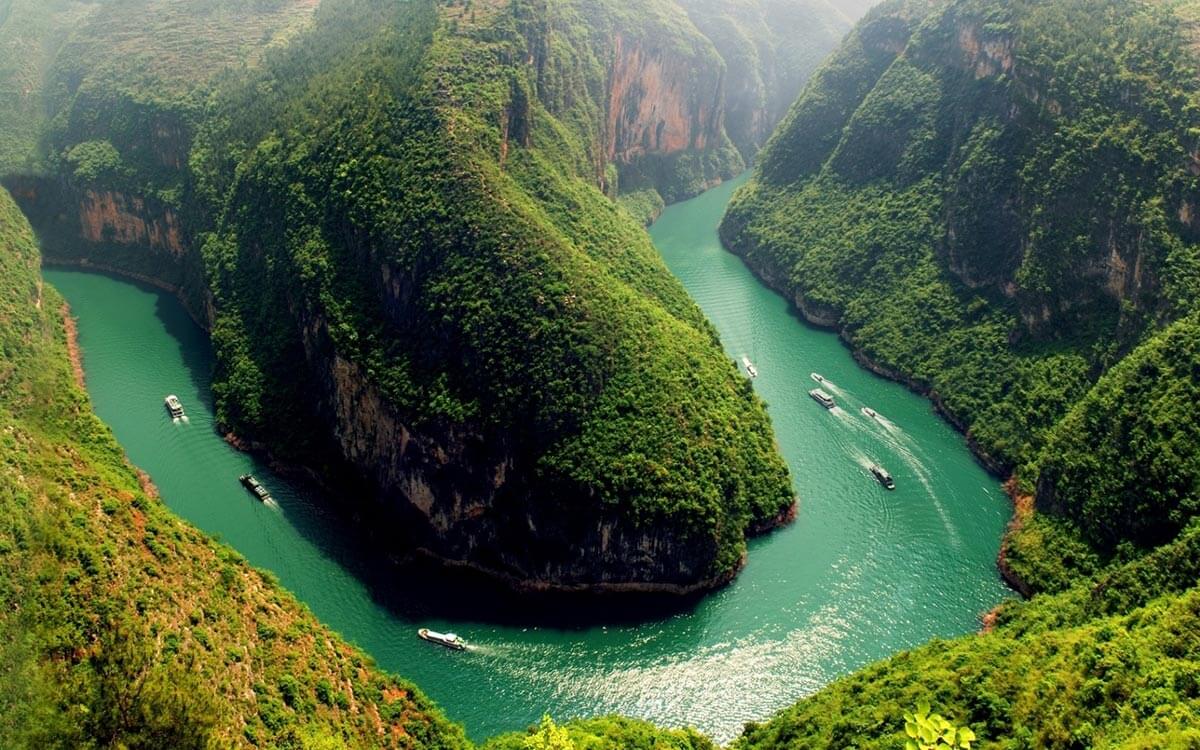
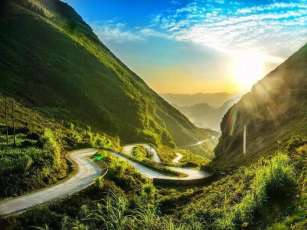
This legendary 20 km pass is considered the most spectacular road in the country. Overlooking the vertiginous Tu San Gorge and the Nho Que River, it offers a grand setting of steep cliffs and sharp turns. Photography and adventure enthusiasts consider this site one of the highlights of the Ha Giang Loop.
Lung Tam Brocade Weaving Village
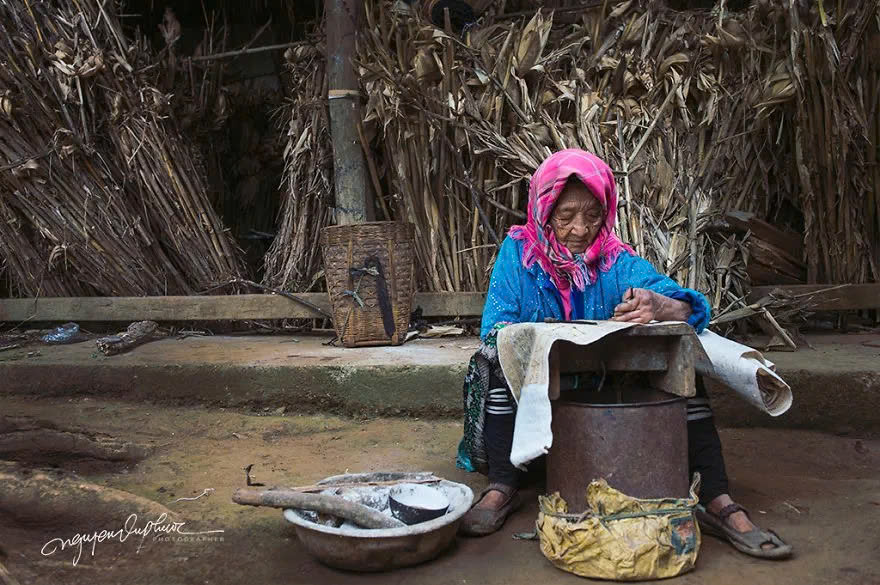
Lung Tam is a Hmong village specializing in traditional brocade weaving. Local craftswomen preserve ancestral techniques: spinning, hemp dyeing, and symbolic patterns applied with wax. A perfect visit to discover the craftsmanship of Ha Giang Vietnam.
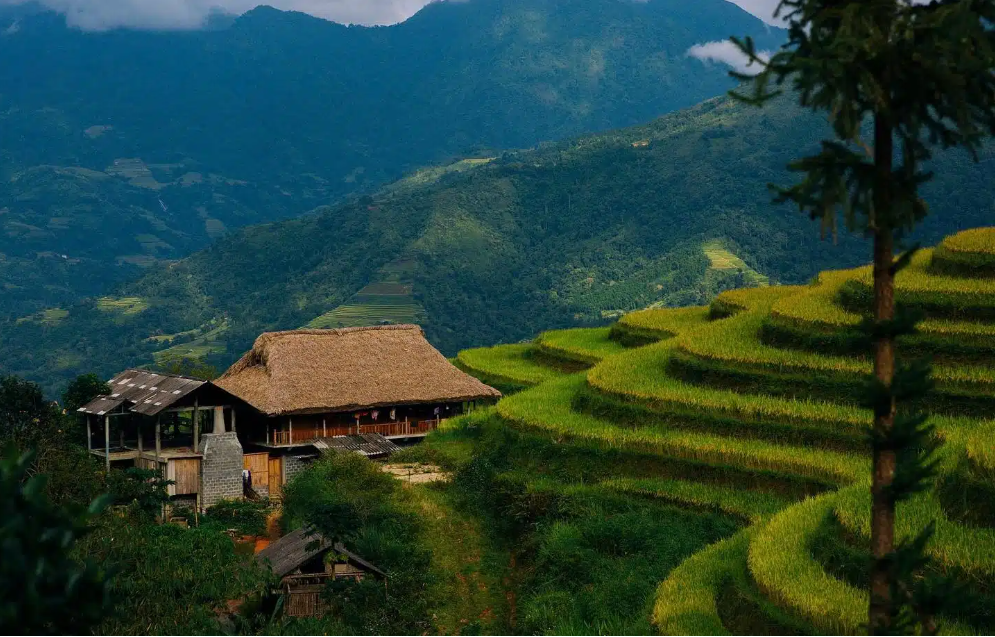
Hoang Su Phi Terraced Rice Fields
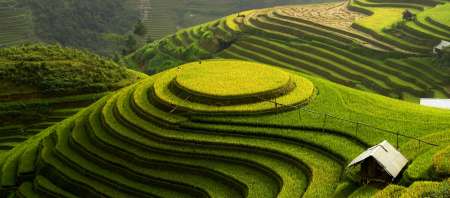
Listed as a national heritage site, the Hoang Su Phi rice terraces are among the most beautiful in Vietnam. Sculpted on steep slopes, they change color with the seasons: bright green in spring, silvery during irrigation, and golden in autumn.
Vuong Family Palace
The Palace of the Hmong King in Sa Phìn is a unique fortress blending Chinese, French, and Hmong architecture. Built in the early 20th century, this residence tells the story of the opium–tea trade influence that once marked the region.
Nho Que River
A turquoise ribbon winding at the foot of the Ma Pi Leng Pass, the Nho Que River is perfect for:
A boat ride
Observing the Tu San Gorge
Enjoying a calm and majestic landscape
Ha Giang Loop 4-day itinerary
Day 1: Hanoi → Ha Giang → Tay villages
Your Ha Giang Loop Vietnam adventure begins with the 6–7 hour journey from Hanoi to Ha Giang. Along the way, a stop in Ham Yen (Tuyen Quang Province) allows you to explore a Dao village characterized by stilt houses and a mountainous atmosphere.
Arrival in Ha Giang in the afternoon marks the start of a gentle walk to the Tay villages of Ha Thanh and Tha. Surrounded by palm groves and rice fields, these villages are known for their hospitality and traditional stilt houses. You visit a local family, discover the mountain way of life, and settle in for the night at a homestay—an ideal immersion before the long road days ahead.
Day 2: Ha Giang → Quan Ba → Yen Minh → Dong Van
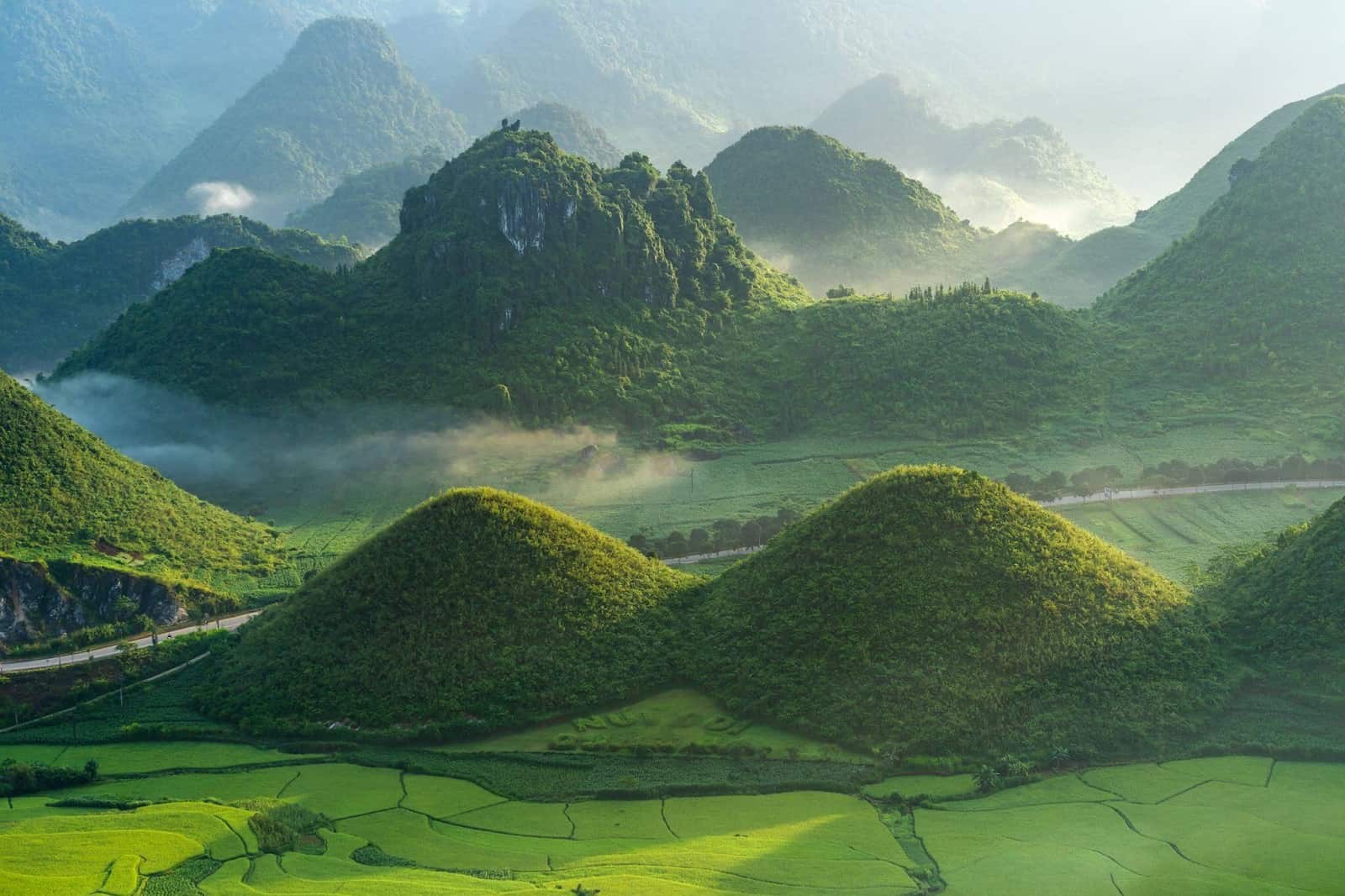
The day opens with a climb to the Quan Ba Heaven’s Gate, where you admire the famous “Twin Fairy Mountains.” The route then crosses Yen Minh, nicknamed “the Princess of the Plateau,” a place steeped in history and surrounded by pine forests.
If your trip to Vietnam falls on a Sunday, you can attend the Dong Van market, a true explosion of colors, scents, and traditional costumes.
The road continues through villages distinguished by rammed-earth houses (nhà trình tường), notably Lung Hoa, before reaching the majestic Hmong King’s Palace in Sa Phìn. The evening is spent in the old quarter of Dong Van.
Day 3: Dong Van → Lung Cu → Meo Vac → Ma Pi Leng Pass
In the morning, head to Lung Cu—the sacred symbol of the country. After visiting the tower, return to Dong Van for lunch before taking the most spectacular road in the region: Ma Pi Leng Pass Vietnam.
Depending on your preferences:
Hau De – Ma Pia – Ma Pang hike along the Nho Que River
— or —Boat ride in the Tu San Canyon
You then spend the night at a homestay in Meo Vac (e.g., Xua Vu Homestay).
Day 4: Meo Vac → Du Gia → Ha Giang
The road to Du Gia is peaceful, punctuated by terraced rice fields and Tay and Dao villages. A swimming break at the natural Du Gia waterfall offers a relaxing moment before returning to Ha Giang.
After the loop, you can take a night bus back to Hanoi or continue on to Cao Bang (Ban Gioc Waterfalls) or Ba Be.
For a more detailed version, you can consult the itinerary presented by Authentik Vietnam in the article dedicated to the 4-day loop.
Where to stay in Ha Giang Vietnam: reliable accommodations
Dong Que Homestay – Ha Giang City
Location: Ha Thanh Village, Phuong Do, Ha Giang
Indicative price: 150,000 VND / €5 / night / person
Why choose it? Peaceful setting, wooden stilt houses, immersion in Tay culture.
Tommy House Homestay – Yen Minh
Location: Ban Truong Village, Yen Minh District
Price: 300,000 – 700,000 VND (€10 – €23) / night
Highlights: Comfortable rooms, proximity to karst mountains, warm atmosphere.
Ha Giang Ecolodge – Ha Giang City
Location: Tan Thanh Village, Phuong Do
Price: 900,000 – 1,600,000 VND (€29.5 – €52.5) / night
Strengths: Wooden bungalows, rice field views, full services.
Gastronomy of Ha Giang Vietnam
Recommended addresses
Phở chua Lý Dính (typical sweet-and-sour pho) – Tổ 18, Nguyen Trai Street
Bánh cuốn Bà Biền (steamed stuffed rice crêpes) – 189, Ly Tu Trong Street
Phở Tráng Kìm Toàn Vui (traditional pho with thick noodles) – 178D, Nguyen Trai Street
Bún Vịt Vĩnh Tươi (duck vermicelli soup) – Ban Tuy Village, Ngoc Duong Commune
Cơm Phúc Cái (complete family meal) – 6, Truong Chinh Street
Cơm Anh Quân – Nho Que River (local riverside meal) – banks of the Nho Que River
Bánh áp chao Cô Ánh (stuffed glutinous rice fritters) – 158, Tran Hung Dao Street
Cháo ấu tẩu Hương (medicinal porridge with ấu tẩu tuber) – 171, Tran Hung Dao Street
Chè con ong Hằng Huệ (sticky dessert with ginger) – 295, Nguyen Trai Street
Thắng dền Cô Thanh (sweet dumplings in ginger syrup) – opposite 282, Nguyen Trai Street
Other specialties to try
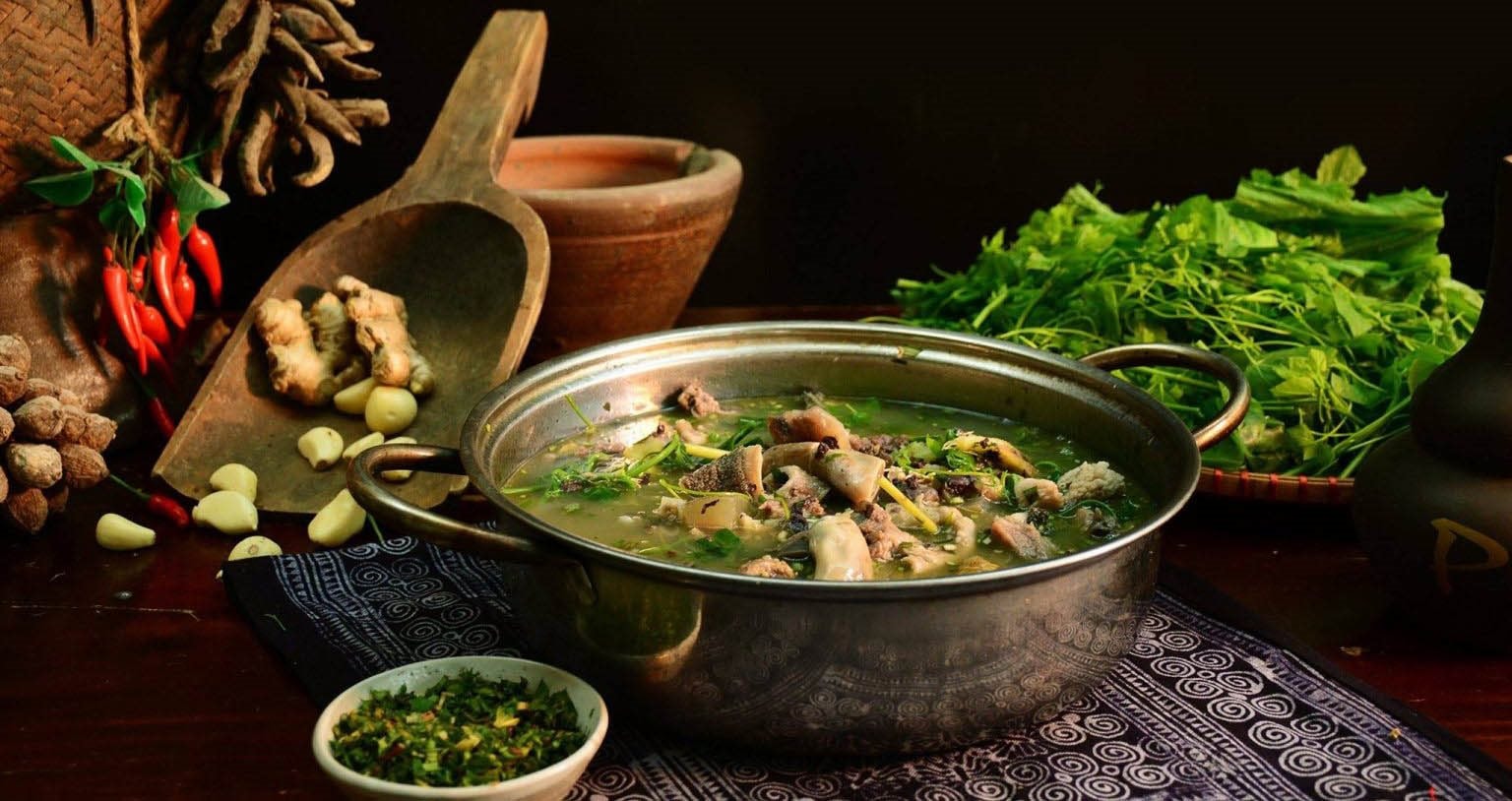
Thắng cố (traditional Hmong stew)
Bamboo-stick grilled meat
Bánh tam giác mạch (buckwheat cake)
Rượu ngô men lá (traditional corn alcohol).
Best time to visit Ha Giang Vietnam
Located in the high mountains, Ha Giang Vietnam enjoys a cooler climate than lowland regions. With an average annual temperature of 21–23°C, the region offers different landscapes each season.
Autumn—from October to December—is the most magical period: golden rice fields, buckwheat blooms, and a clear atmosphere. Spring reveals peach and plum blossoms, giving forests a fairy-tale appearance. In May, rice fields reflect the sky during irrigation, while June and July, despite occasional sudden rains, transform Ha Giang into a lush green haven of remarkable beauty.
Practical tips for your Ha Giang Loop Vietnam
Bring warm clothing, especially at night.
Avoid riding a motorbike if you are not experienced.
Always check the weather before crossing mountain passes.
Book accommodations and guides in advance during high season.
Respect local customs (photos, house visits).
Carry cash—few ATMs in the mountains.
Conclusion
Ha Giang Vietnam is a land where majestic landscapes, ancestral cultures, and deep authenticity come together. The Ha Giang Loop Vietnam remains one of the most memorable adventures for French-speaking travelers wishing to discover the country’s Northeast. Whether for karst mountains, ethnic markets, gastronomy, or human encounters, your stay will leave a lasting impression.
If you are preparing your overall itinerary, consider consulting Vietnam travel inspirations to create a coherent journey.
FAQ – Ha Giang Vietnam (Frequently Asked Questions)
1. Is Ha Giang Vietnam safe for travelers?
Yes. Ha Giang Vietnam is considered a safe region for travelers, including French-speaking visitors. Locals are warm, welcoming, and accustomed to visitors. Simply follow basic precautions: avoid riding yourself if you lack mountain experience, stay on main roads, and check the weather before each stage of the Ha Giang Loop Vietnam.
2. Is a special permit required to visit Ha Giang?
Yes. For certain border areas (such as Lung Cu or Dong Van), it is necessary to obtain a visitor permit called a “border area entry permit.” Local agencies and accommodations in Ha Giang can obtain it for you within minutes, usually at a modest cost.
3. Can you do the Ha Giang Loop Vietnam without a motorbike?
Absolutely! Many French-speaking travelers choose:
a local driver (“easy rider”)
a private vehicle with a guide
a minibus as part of an organized tour
This is a more comfortable and safer option, especially to fully enjoy the scenery without worrying about mountain driving.
4. How many days are needed to visit Ha Giang?
The 4-day Ha Giang Loop is considered the ideal format to discover the most beautiful landscapes: Ma Pi Leng, Dong Van, Nho Que, Du Gia…
Some travelers also choose 3 days (short version) or 5 days (more immersive version).
5. Is Ha Giang suitable for families with children?
Yes, but it is better to prioritize:
an experienced local driver
a slower pace
comfortable accommodations (lodges, ecolodges)
Children love the walks, rice fields, ethnic markets, and scenes of authentic daily life.
Share


Comment
Other Blog
.jpg)

Categories
Latest News


on 12 Jun, 2019




MichaelGuiffSH
on Oct 8, 2026BetongameCZ
on Sep 24, 2026Langsweirt Galliane
on Sep 21, 2026Victoria Duncan
on Sep 1, 2026Kaushik Ghosh
on Aug 30, 2026