 Español
 Français
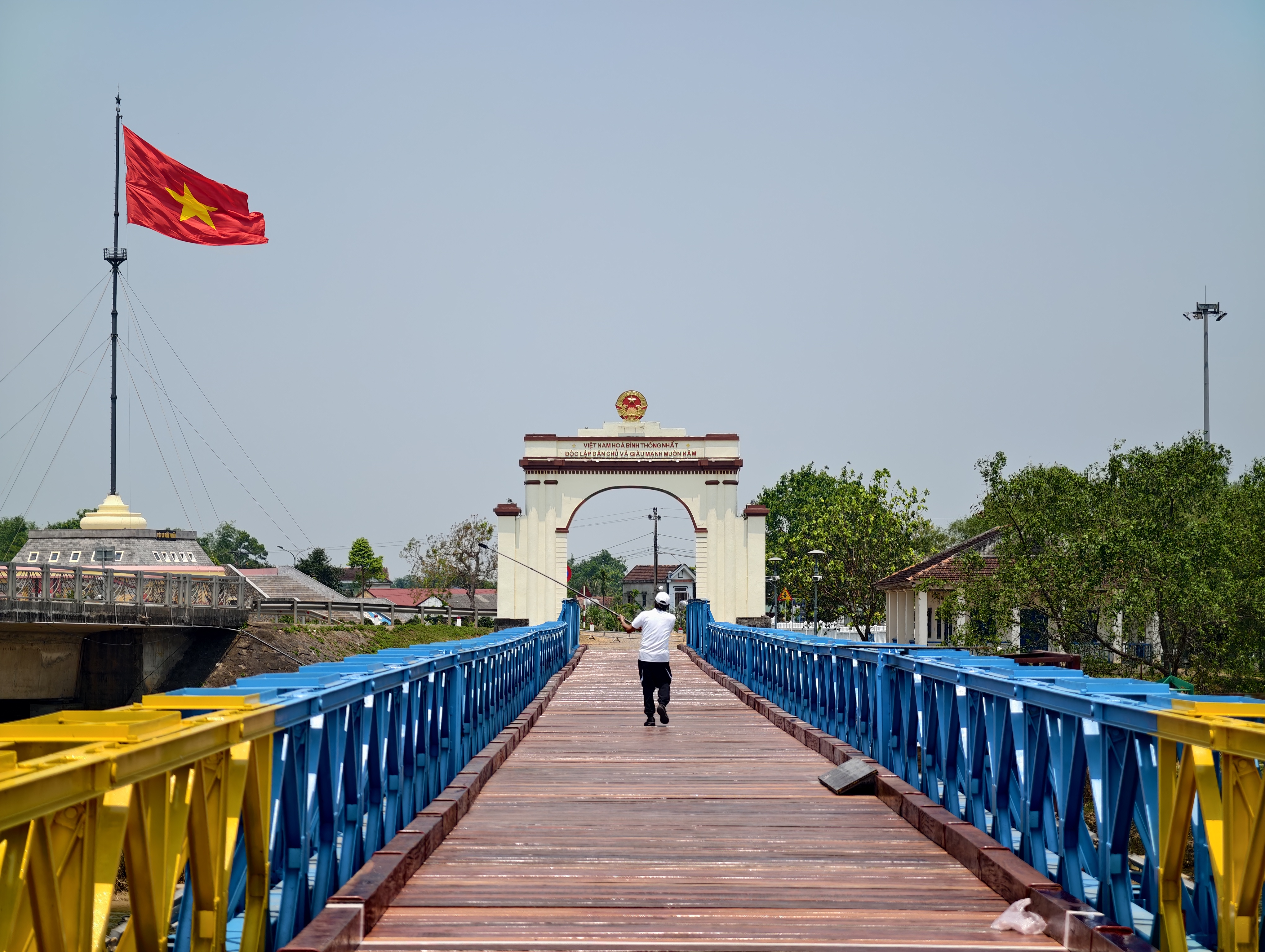
Hien Luong Bridge: A Symbol of Vietnam’s Reunification and Resilience
- on May 20, 2026 By: Thai An Le
For many travelers exploring Central Vietnam, destinations like Hue, Hoi An, or Phong Nha often take center stage. Yet hidden along the peaceful banks of the Ben Hai River lies one of the country’s most meaningful historical landmarks: the Hien Luong Bridge.
More than just a bridge, Hien Luong Bridge became a powerful symbol of separation, resilience, and reunification in Vietnam’s modern history. Today, it attracts visitors who wish to better understand the country beyond its landscapes and cuisine.
In this guide, Authentik Vietnam Travel introduces the fascinating history of Hien Luong Bridge, what to see during your visit, and why this destination deserves a place on your Vietnam itinerary.
Where is Hien Luong Bridge?
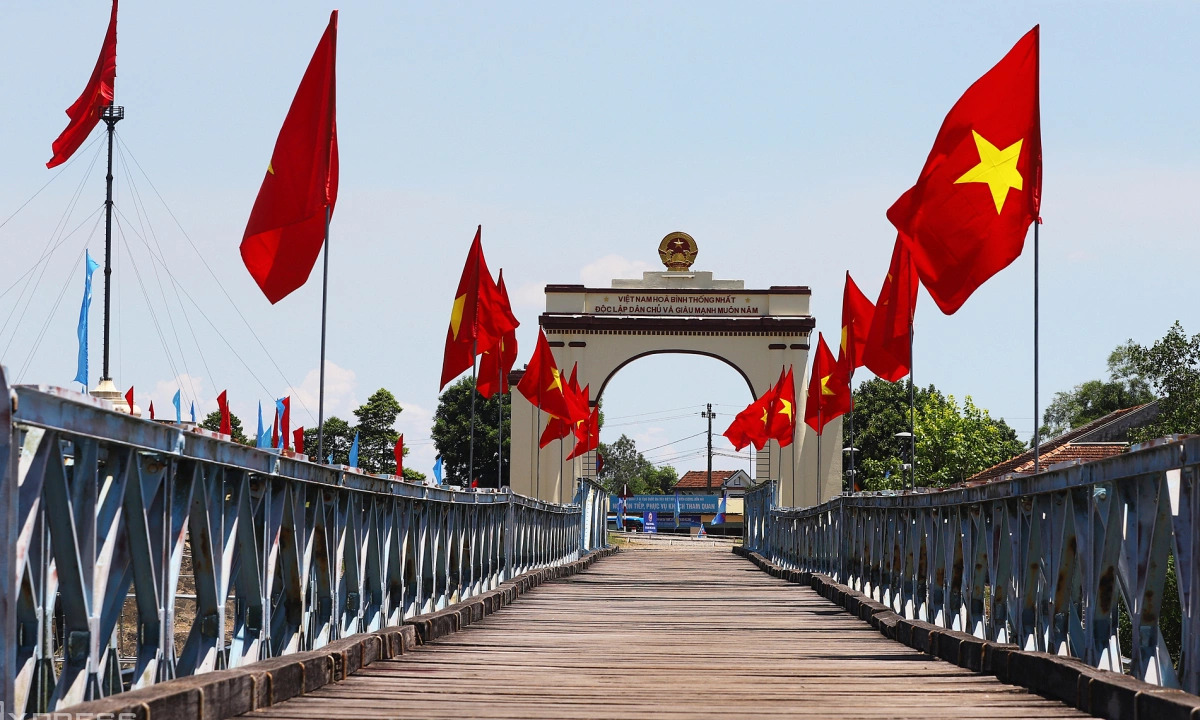
Located in Quang Tri Province, Hien Luong Bridge spans the Ben Hai River, approximately 100 kilometers north of Hue.
The bridge once stood at the heart of the famous DMZ (Demilitarized Zone), which separated North and South Vietnam after the Geneva Accords of 1954.
Today, the bridge belongs to the Hien Luong - Ben Hai Special National Relic Site, one of the most important historical sites in Vietnam.
Because of its strategic location, many travelers stop here while traveling between Phong Nha and Hue.
The History Behind Hien Luong Bridge
.jpg)
Vietnam’s Division After 1954
Following the First Indochina War, Vietnam was temporarily divided into two regions along the 17th parallel:
- North Vietnam
- South Vietnam
The Ben Hai River became the dividing line, while Hien Luong Bridge physically connected the two sides.
Although the separation was initially meant to last only a short time, it continued for more than 20 years. For millions of Vietnamese, the bridge became a painful symbol of division and uncertainty.
The Famous Two-Color Bridge
One of the most unique aspects of Hien Luong Bridge was its two different colors:
- The northern side was painted blue
- The southern side was painted yellow
These contrasting colors represented the political divide between North and South Vietnam.
At the time, loudspeakers from both sides broadcast propaganda messages across the river day and night, turning the area into one of the most symbolic places of the Cold War era in Vietnam.
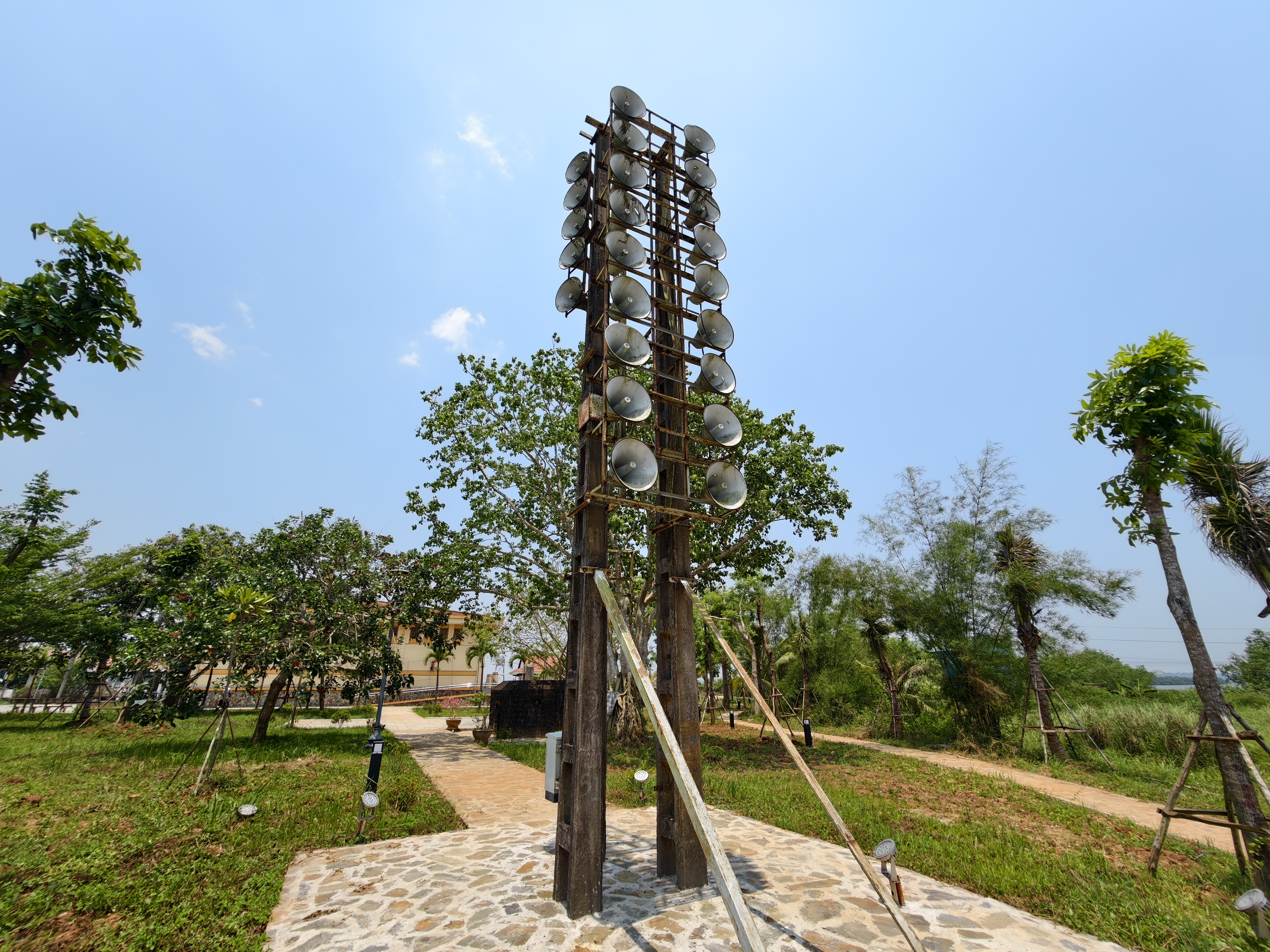
Today, the restored bridge still preserves these colors as a reminder of the country’s divided past.
What to See at Hien Luong Bridge
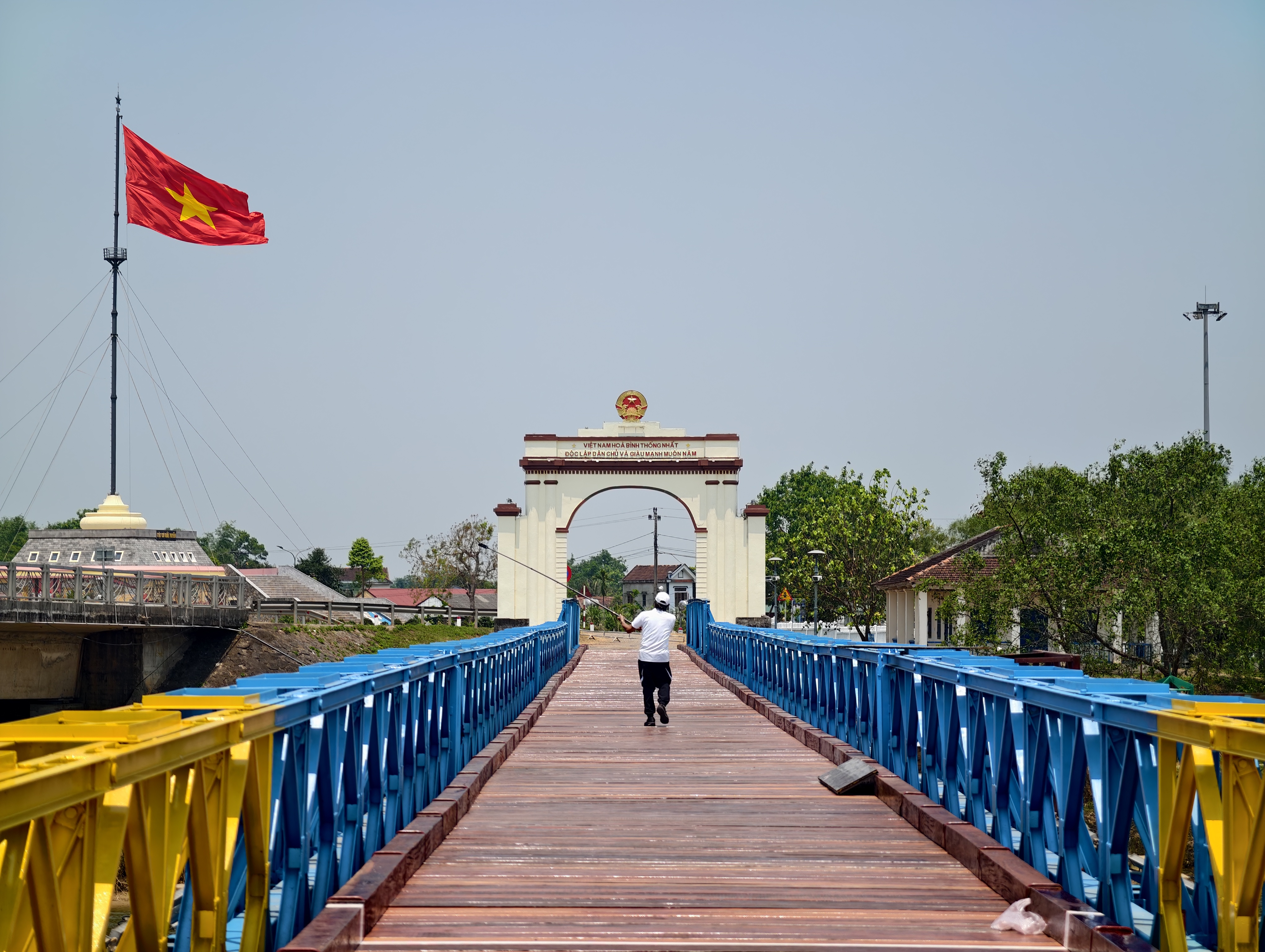
Although the atmosphere is peaceful today, every corner of the site carries deep historical meaning.
The Historic Bridge
The bridge itself remains the highlight of the area. Walking across it allows visitors to symbolically move between what were once two separate political territories.
While exploring the bridge, visitors can see:
- The preserved two-color paint scheme
- Historical markers
- Views over the peaceful Ben Hai River
- Informational panels about the bridge’s history
Many travelers describe the experience as emotional and reflective.
The National Flag Tower
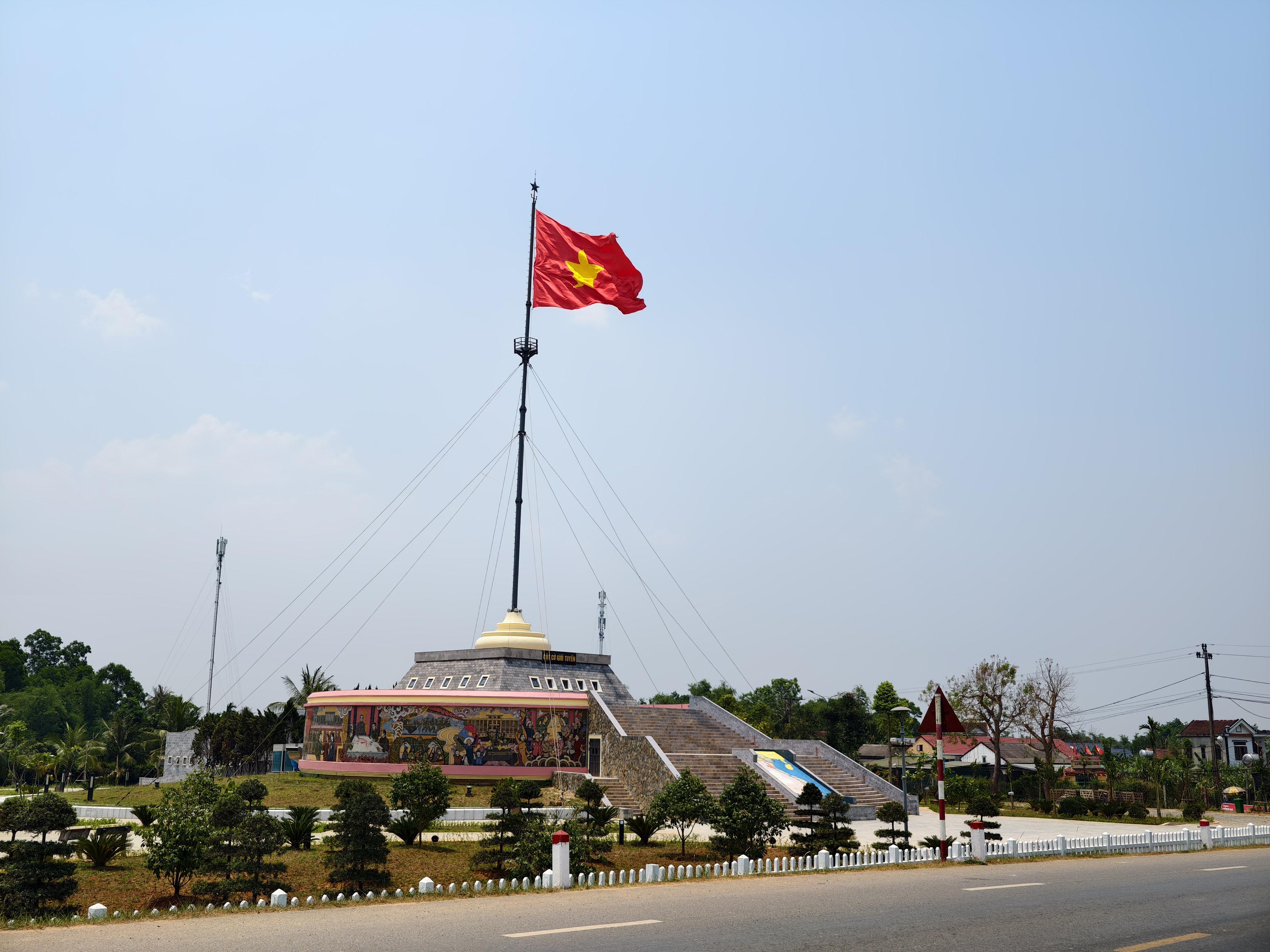
Near the bridge stands a large Vietnamese flag tower.
During the years of division, both sides competed to raise taller and more visible national flags. Today, the flag tower symbolizes Vietnam’s reunification and national unity.
It has become one of the most recognizable landmarks in the former DMZ area.
Hien Luong Museum
.jpg)
The nearby museum displays historical photographs, wartime artifacts, and personal stories from local residents affected by the division.
Visitors can learn about:
- Daily life along the DMZ
- Wartime propaganda
- Communication between separated families
- The impact of war on civilians
- Vietnam’s reunification in 1975
The museum helps visitors better understand the emotional human stories behind the conflict.
Ben Hai River
Today, the Ben Hai River flows quietly through the countryside. However, decades ago, it represented one of the most tense borders in Vietnam.
Standing beside the river offers travelers a moment to reflect on how dramatically the country has transformed since reunification.
Why Hien Luong Bridge Matters Today
For modern travelers, Hien Luong Bridge represents far more than a historical monument.
It symbolizes:
- Peace after conflict
- National reunification
- Human resilience
- The emotional cost of war
- Hope for future generations
Vietnam has changed enormously since reunification, and visiting historical sites like Hien Luong Bridge allows travelers to gain a deeper understanding of the country’s journey.
This destination offers a different perspective on Vietnam beyond beaches, food, and bustling cities.
Best Time to Visit Hien Luong Bridge
The best period to visit Hien Luong Bridge is between February and August, when Central Vietnam experiences drier weather and clearer skies.
From September to November, heavy rain and flooding can occasionally affect travel conditions in Quang Tri Province.
If you plan to combine the bridge with destinations such as Phong Nha, Hue, or Hoi An, spring and early summer usually provide the most comfortable conditions.
Combine Hien Luong Bridge with Other Central Vietnam Attractions
Vinh Moc Tunnels
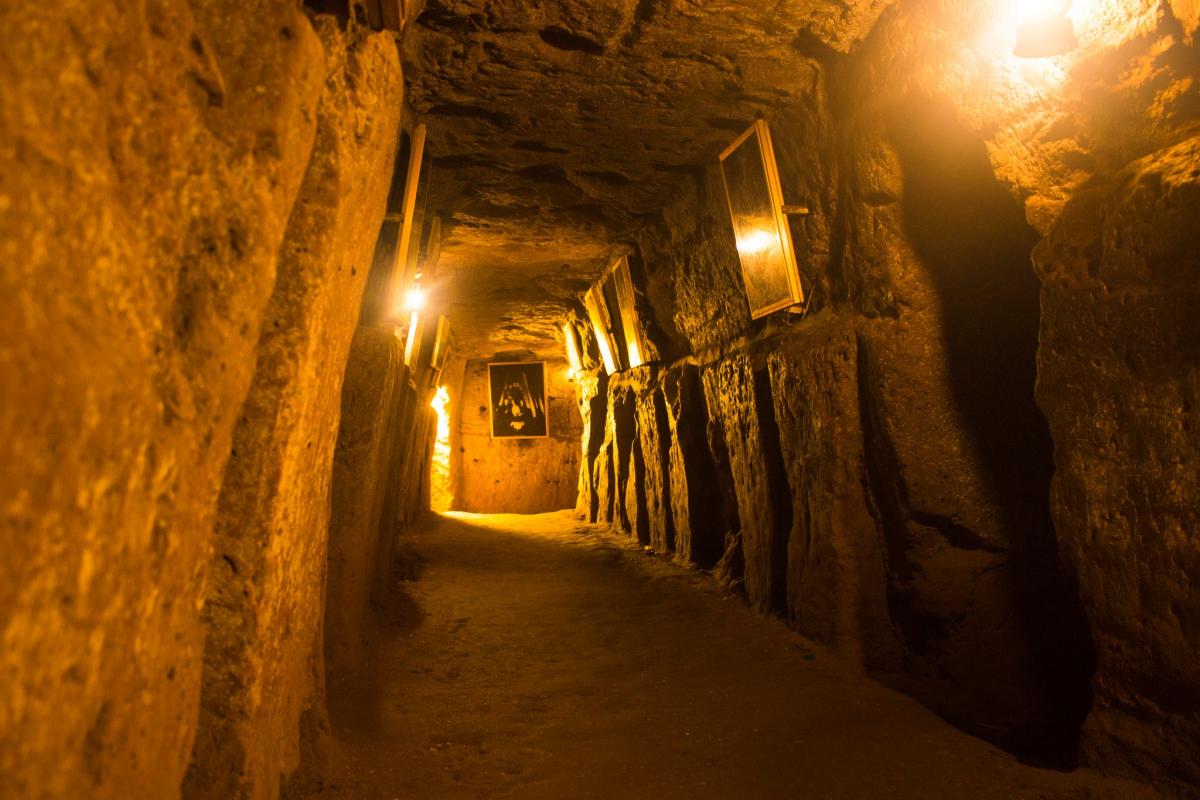
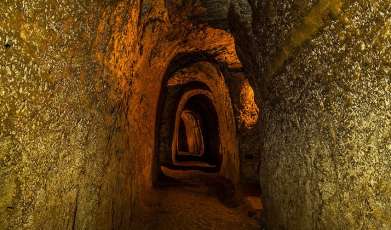
Located near Hien Luong Bridge, the Vinh Moc Tunnels offer fascinating insight into underground life during wartime.
Entire communities once lived inside these tunnels to survive bombings, including families and children.
Visiting both sites together provides a deeper understanding of civilian resilience during the war.
Hue Imperial City
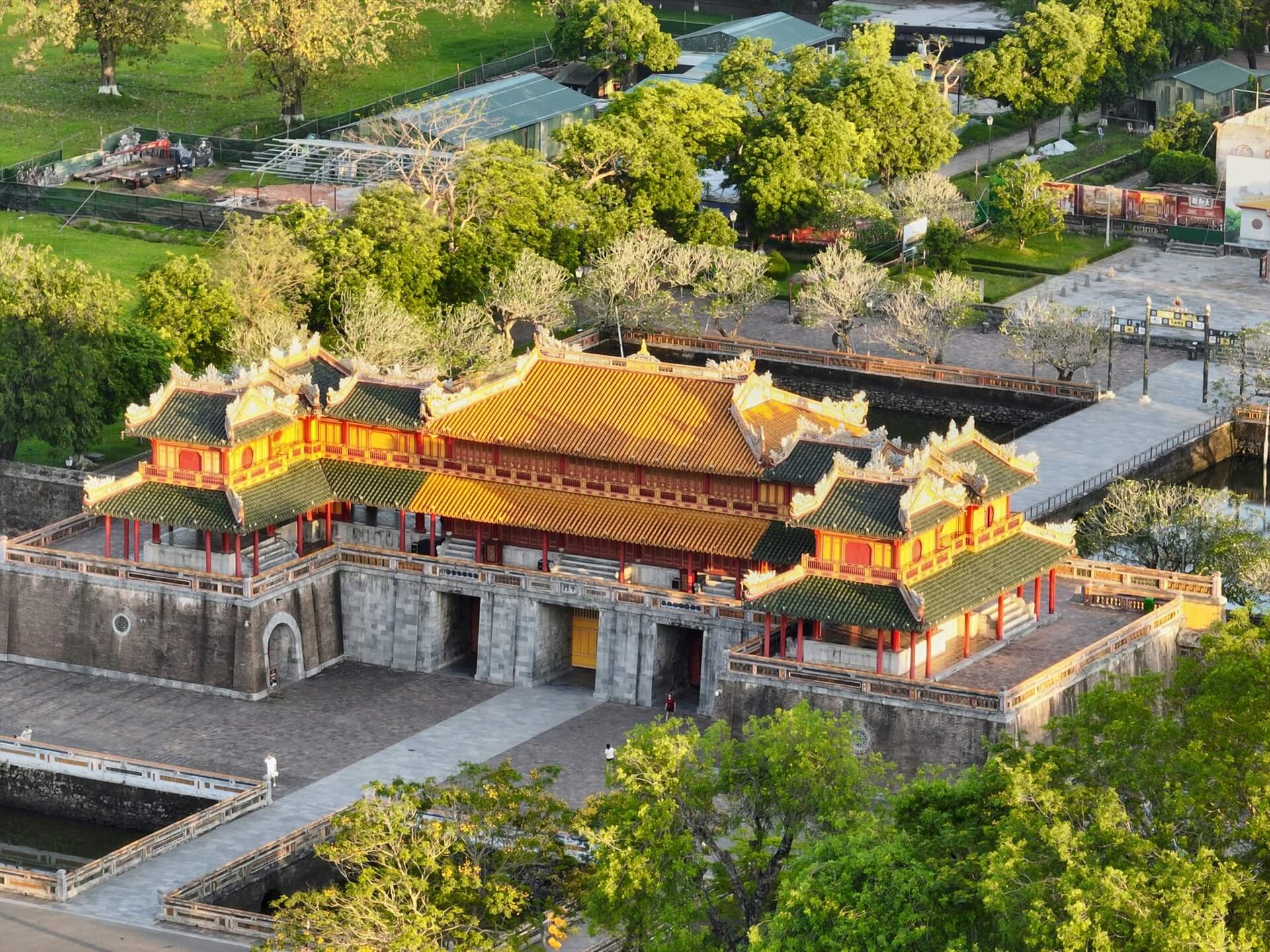
Travelers often continue south to the Imperial City of Hue, where Vietnam’s royal history comes to life.
The contrast between imperial heritage and wartime history creates a rich cultural journey.
Phong Nha-Ke Bang National Park
.jpg)
Nature lovers can combine historical exploration with the breathtaking caves of Phong Nha-Ke Bang National Park.
Popular highlights include:
- Paradise Cave
- Phong Nha Cave
- Jungle trekking
- River cave excursions
Suggested Central Vietnam Journey Including Hien Luong Bridge
For travelers interested in combining history, culture, and nature, Authentik Vietnam Travel recommends this itinerary:
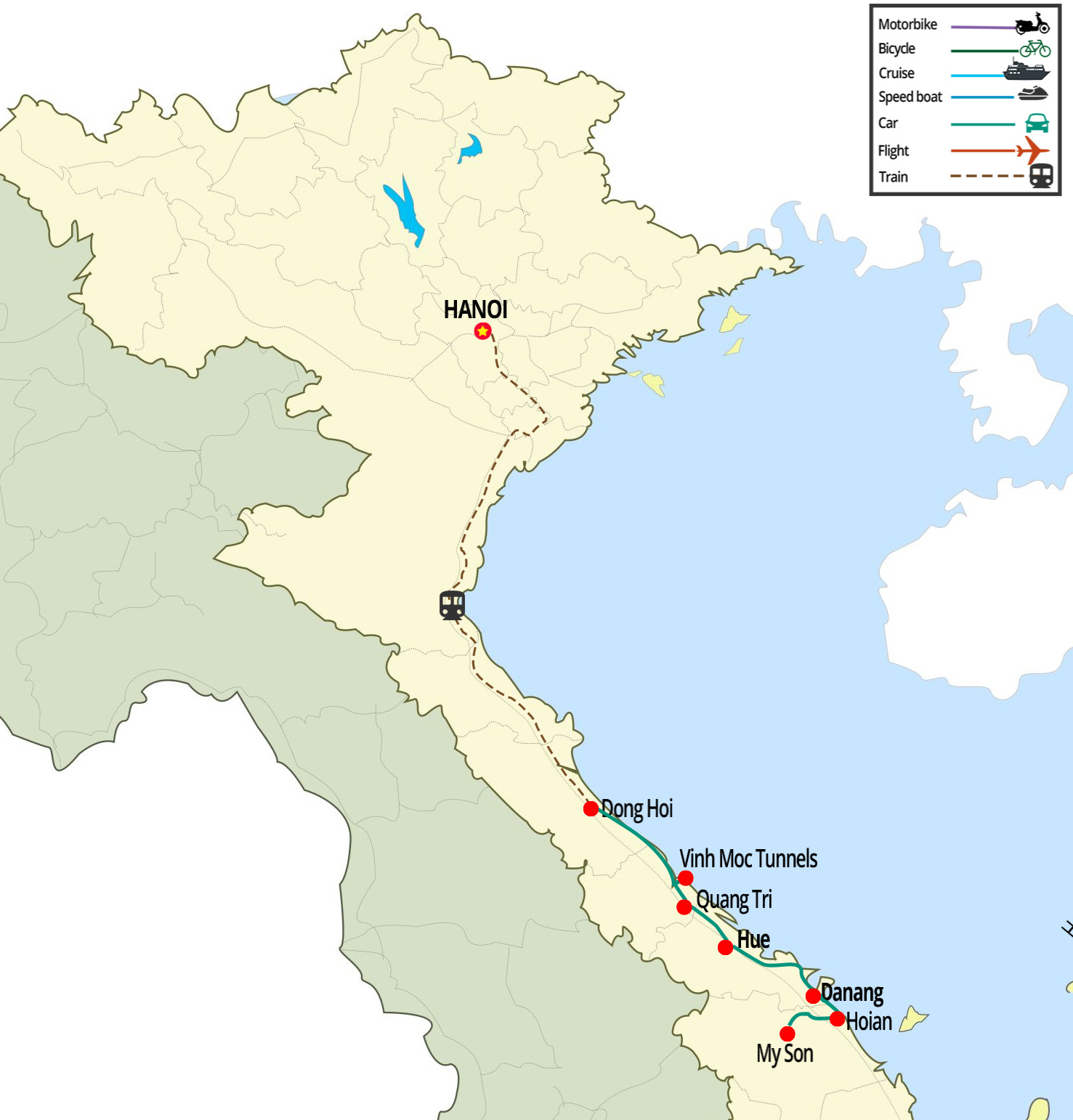
Day 1: Hanoi - overnight train to Dong Hoi.
Day 2: Dong Hoi - Phong Nha - Thien Duong Cave (one extra day in Phong Nha can be added according to preference).
Day 3: Phong Nha - Vinh Moc - Hue.
Day 4: Hue - city tour.
Day 5: Hue - Da Nang - Hoi An.
Day 6: Hoi An - discovery.
Day 7: Hoi An - My Son - Hoi An (possibility of adding a few extra days in Hoi An for a seaside stay).
Day 8: Hoi An - Da Nang - flight to He Chi Minh- City or Hanoi.
Conclusion
While many travelers visit Vietnam for its landscapes, cuisine, and vibrant cities, Hien Luong Bridge offers something equally meaningful: a deeper understanding of Vietnam’s history and resilience.
Standing peacefully above the Ben Hai River today, it is difficult to imagine the tension and heartbreak that once defined this place. Yet that transformation is precisely what makes Hien Luong Bridge so powerful.
It is not only a reminder of division, but also a symbol of reunification, peace, and hope.
To explore the historical treasures of Central Vietnam at your own pace, feel free to contact Authentik Vietnam for a personalized tailor-made tour designed around your interests and travel style.
Whether you wish to combine Hien Luong Bridge, Phong Nha, Hue, or Hoi An, our team can help create a meaningful journey through Vietnam’s history, culture, and natural beauty.
FAQ About Hien Luong Bridge
Why is Hien Luong Bridge famous?
Hien Luong Bridge is famous for being the symbolic border between North and South Vietnam during the country’s division from 1954 to 1975. The bridge became an important symbol of separation, resilience, and later reunification.
Where is Hien Luong Bridge located?
Hien Luong Bridge is located in Quang Tri Province, Central Vietnam, spanning the Ben Hai River near the former DMZ (Demilitarized Zone).
What does Hien Luong Bridge symbolize?
Today, the bridge symbolizes:
- Vietnam’s reunification
- Peace after conflict
- National resilience
- Hope and reconciliation
It remains one of the country’s most meaningful historical landmarks.
Can you visit Hien Luong Bridge from Hue?
Yes. Hien Luong Bridge is approximately 2.5 to 3 hours by car from Imperial City of Hue, making it a popular stop on Central Vietnam and DMZ tours.
What can visitors see at Hien Luong Bridge?
Visitors can explore:
- The historic two-color bridge
- The Ben Hai River
- The national flag tower
- Historical monuments
- The nearby museum
- DMZ historical sites
Many travelers also combine the visit with Vinh Moc Tunnels.
What is the best time to visit Hien Luong Bridge?
The best time to visit is between February and August, when Central Vietnam generally experiences dry weather and sunny conditions.
Is Hien Luong Bridge worth visiting?
Yes. For travelers interested in Vietnamese history, the bridge offers a powerful and emotional insight into the country’s past while providing a deeper understanding of Vietnam’s reunification journey.
Which destinations can be combined with Hien Luong Bridge?
Many travelers combine Hien Luong Bridge with:
- Phong Nha-Ke Bang National Park
- Vinh Moc Tunnels
- Imperial City of Hue
- Hoi An
These destinations create an ideal Central Vietnam itinerary combining history, culture, and nature.
Related Articles:
Thuy Xuan Incense Village: What to Expect and Is It Worth Visiting?
Central Vietnam 2026: Complete Guide and Recommended Itineraries
Best Places to Visit in Hoi An 2026: Hidden Gems, Ancient Town & Local Villages Guide
Share


Comment
Categories
Latest News


on 12 Jun, 2019





MichaelGuiffSH
on Oct 8, 2026BetongameCZ
on Sep 24, 2026Langsweirt Galliane
on Sep 21, 2026Victoria Duncan
on Sep 1, 2026Kaushik Ghosh
on Aug 30, 2026