 Español
 Français
.png "Is Hue Worth Visiting? Find Out If Vietnam's Imperial City Matches Your Travel Style")
Is Hue Worth Visiting? Find Out If Vietnam's Imperial City Matches Your Travel Style
- on Jun 25, 2026 By: Thai An Le
When planning a trip to Vietnam, most travelers immediately think of Hanoi, Ha Long Bay, Hoi An, or Ho Chi Minh City.
Hue often receives far less attention.
Some travelers describe it as one of the most fascinating destinations in Vietnam. Others say it's boring and not worth spending more than a day there.
So who's right?
The truth is that both opinions can be true.
Whether you love Hue or not depends largely on your travel style.
Unlike Da Nang, which is famous for its beaches, or Hoi An, which attracts visitors with its lantern-lit streets and vibrant atmosphere, Hue offers something completely different. It is a city shaped by imperial history, remarkable cuisine, authentic local culture, and a slower pace of life.
For some travelers, that's exactly what makes it special.
For others, it may not be the highlight of their Vietnam itinerary.
Before deciding whether to include Hue in your trip, let's explore what the city is really known for and who is most likely to fall in love with it.
What Is Hue Known For?
.png)
Hue is best known for its imperial history, royal architecture, unique cuisine, and peaceful atmosphere.
Located in central Vietnam, Hue served as the capital of the Nguyen Dynasty from 1802 to 1945. Today, it remains one of the country's most important cultural and historical destinations.
Visitors come to Hue to discover:
- The Imperial City and Citadel
- Royal tombs of Nguyen emperors
- Ancient pagodas such as Thien Mu Pagoda
- Traditional Vietnamese cuisine
- The Huong River
- Authentic local culture
Unlike destinations that focus primarily on entertainment, Hue offers visitors a deeper understanding of Vietnam's history and identity.
Many travelers describe Hue as a place that rewards curiosity rather than speed.
Why Food Lovers Fall in Love With Hue
Many travelers consider Hue to have some of the best food in Vietnam.
In countless travel forums, food blogs, and online discussions, visitors repeatedly mention Hue as a culinary highlight of their Vietnam journey.
Some even go as far as saying:
"The best food in Vietnam is in Hue."
That may sound like a bold claim in a country famous for its cuisine, but once you start exploring Hue's food scene, it's easy to understand why.
A City Shaped by Royal Cuisine
Hue's culinary heritage was influenced by more than a century as Vietnam's imperial capital.
During the Nguyen Dynasty, royal chefs created dishes that emphasized presentation, balance, and attention to detail.
Today, that influence can still be seen throughout the city's food culture.
From humble street food stalls to refined restaurants serving imperial-style banquets, food remains one of the strongest reasons to visit Hue.
Signature Dishes You Should Try
No visit to Hue would be complete without tasting its most famous specialties.
Bun Bo Hue
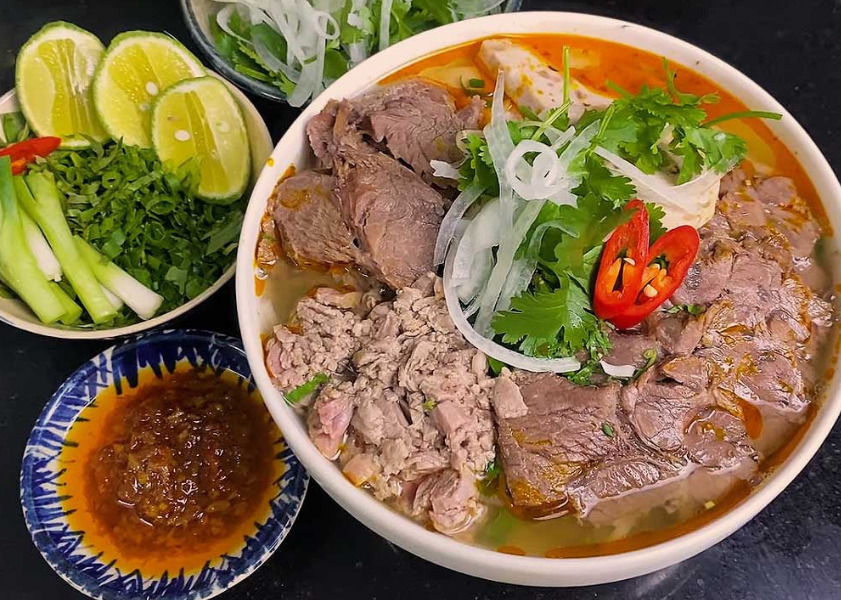
Bun Bo Hue is widely considered the city's signature dish.
Unlike pho, Bun Bo Hue features a rich and aromatic broth with lemongrass, chili, and deep beef flavors.
Many travelers arrive expecting to eat pho throughout Vietnam and leave saying Bun Bo Hue became their favorite noodle soup.
Banh Bot Loc
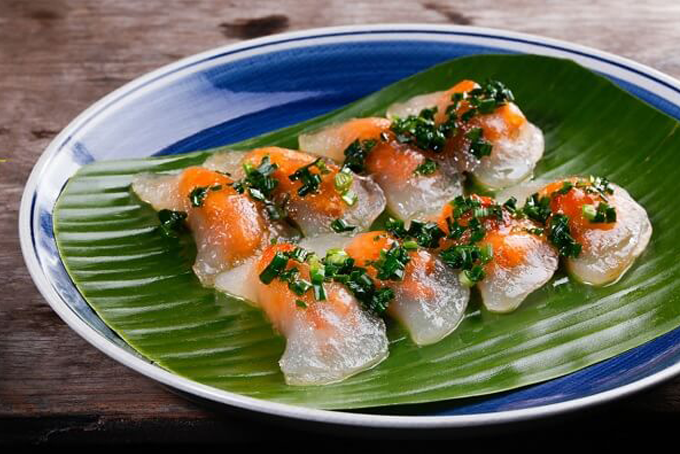
These translucent tapioca dumplings are typically filled with shrimp and pork before being wrapped in banana leaves or served fresh.
Their chewy texture and savory filling make them one of Hue's most beloved snacks.
Great Food Without Tourist Prices
Another reason travelers love Hue is value.
Hue offers some of Vietnam's best local food at remarkably affordable prices.
Unlike more heavily touristed destinations, many of the city's best meals are still enjoyed alongside local families, students, and workers.
For travelers who explore destinations through food, Hue consistently exceeds expectations.
Why History and Culture Enthusiasts Love Hue
Hue was the imperial capital of Vietnam from 1802 to 1945.
For travelers interested in history, architecture, and cultural heritage, few destinations in Vietnam can compete with Hue.
This is where emperors ruled.
This is where royal ceremonies took place.
And this is where much of Vietnam's imperial legacy remains preserved today.
The Imperial City
.png)
The Imperial City is one of Vietnam's most important historical landmarks.
Surrounded by defensive walls and moats, this vast complex once served as the political and cultural center of the Nguyen Dynasty.
Walking through its gates offers visitors a glimpse into Vietnam's royal past.
Although parts of the complex suffered damage during wars, restoration efforts continue to bring the site back to life.
The Royal Tombs
.png)
One of Hue's most unique attractions is its collection of royal tombs.
Unlike traditional cemeteries, these sites were carefully designed by emperors to reflect their personalities, philosophies, and visions of the afterlife.
Each tomb tells a different story.
Some are grand and imposing.
Others are peaceful and deeply reflective.
Together, they provide fascinating insight into Vietnam's imperial heritage.
Thien Mu Pagoda
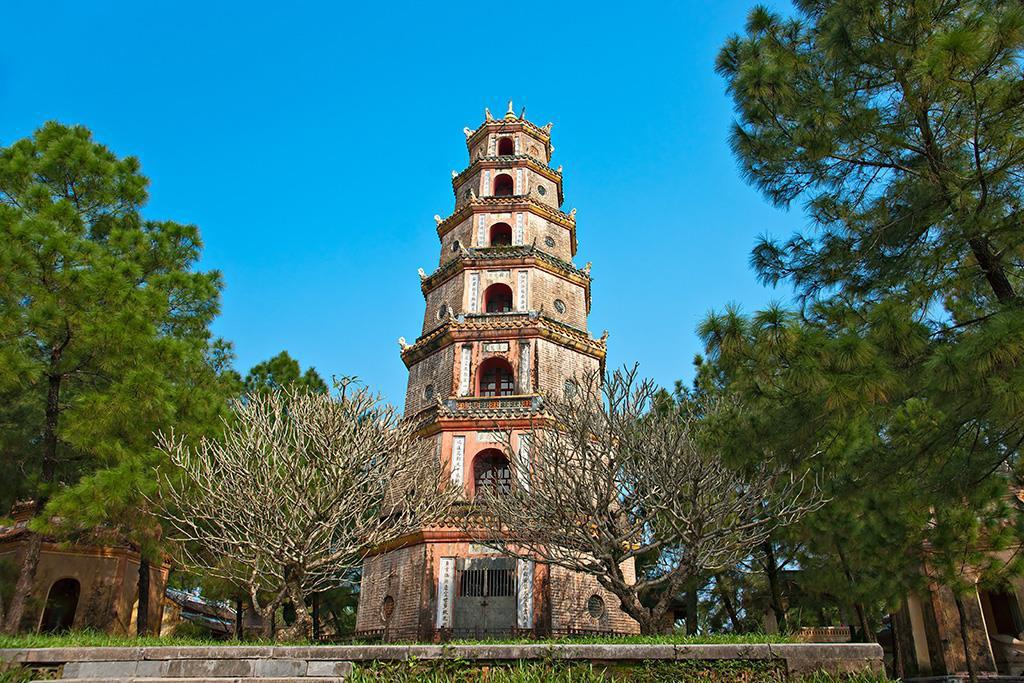
Overlooking the Perfume River, Thien Mu Pagoda is one of the most iconic religious landmarks in Vietnam.
Its elegant architecture and tranquil setting make it a favorite stop for both domestic and international visitors.
A Living Museum
Many travelers describe Hue as a living museum.
History isn't confined to a single attraction.
It can be found throughout the city, from ancient architecture and traditional gardens to local customs and cultural practices that continue today.
For visitors who enjoy learning about the places they travel to, Hue offers a level of depth that few destinations can match.
Why Travelers Seeking Peace and Authenticity Choose Hue
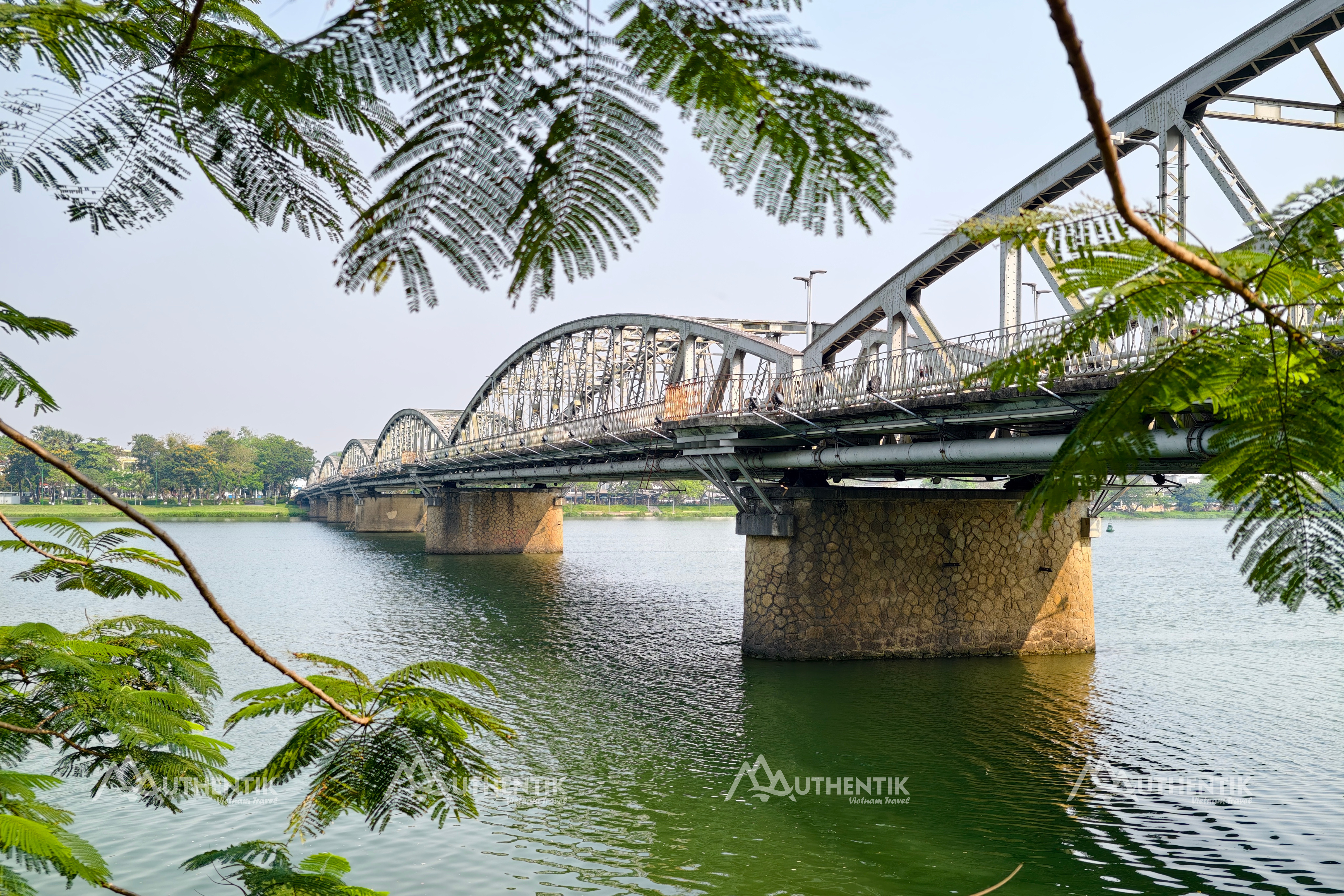
Hue is one of the most peaceful destinations in Vietnam.
Not every traveler wants a packed itinerary filled with nightlife, beach clubs, and crowded attractions. Many people are looking for something different when they travel. They want space, authenticity, and the opportunity to slow down and connect more deeply with a destination. This is exactly where Hue shines.
One of the words most frequently used by visitors to describe Hue is "peaceful."
Others use words such as:
- Calm
- Relaxed
- Authentic
- Charming
- Unhurried
Compared with destinations like Hoi An and Da Nang, Hue feels noticeably less commercialized.
Tourism exists, but it doesn't dominate daily life.
Visitors still encounter local neighborhoods, traditional markets, family-run restaurants, and genuine interactions with residents.
Unlike many tourist hotspots, Hue still feels like a real Vietnamese city.
For many travelers, this becomes Hue's greatest attraction. Not a famous landmark or a must-see attraction, but the atmosphere itself. It's the feeling of slowing down, immersing yourself in local life, and experiencing a side of Vietnam that feels both authentic and timeless.
Travelers come to Hue not to rush, but to slow down.
So, Is Hue Worth Visiting?
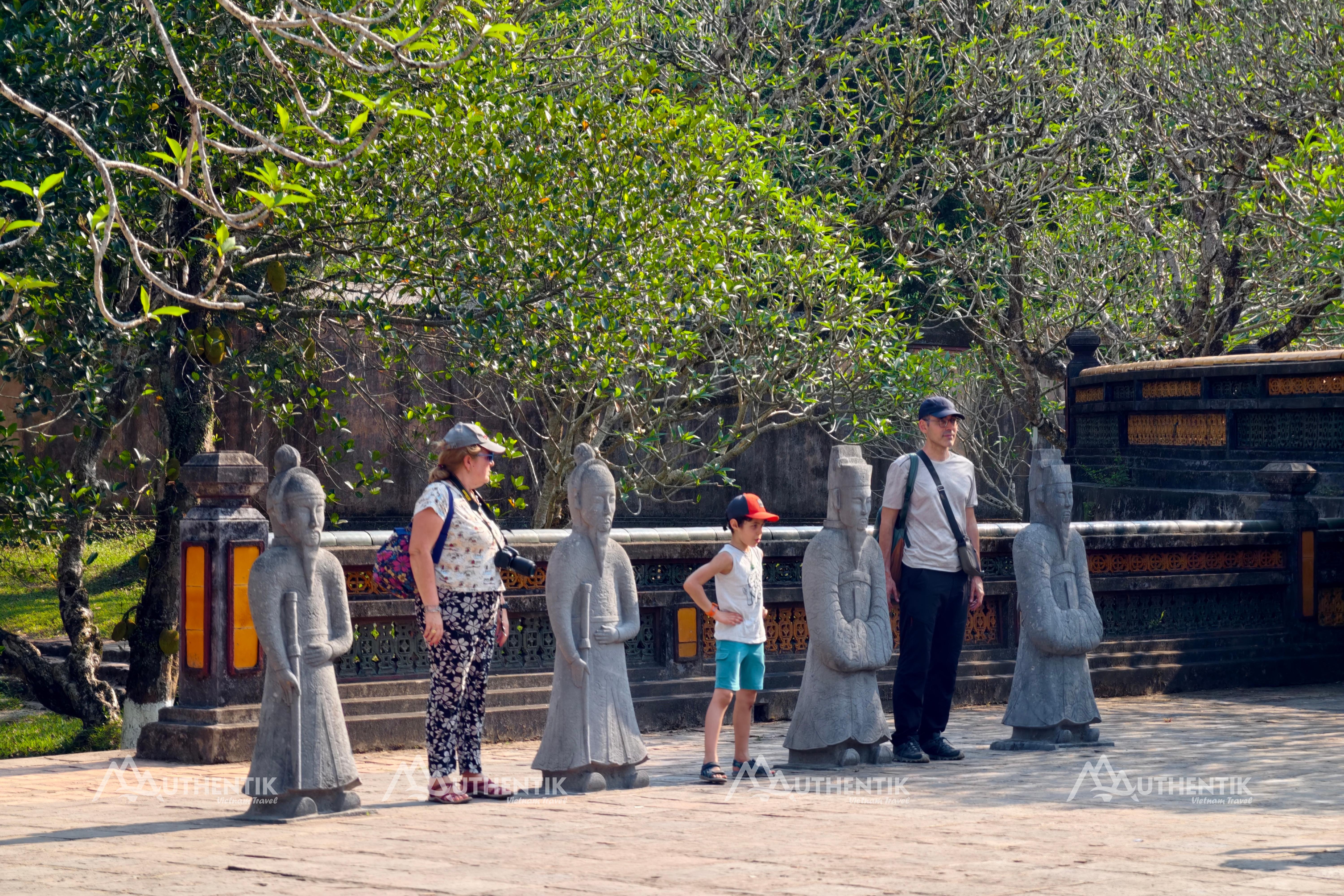
Yes, Hue is absolutely worth visiting for travelers who love food, history, culture, and authentic local experiences.
As Vietnam's former imperial capital, Hue offers a side of the country that feels very different from destinations such as Hoi An or Da Nang. Here, travelers can explore centuries of history, discover one of Vietnam's most celebrated culinary scenes, and experience a slower pace of life that many visitors find refreshing.
That said, Hue is not the right destination for everyone.
Travelers looking primarily for beaches, nightlife, luxury resorts, or non-stop entertainment may find Hue quieter than expected.
But for those who enjoy wandering through ancient citadels, tasting local specialties, learning about Vietnamese culture, and connecting with a destination beyond its tourist attractions, Hue can become one of the most rewarding stops in Vietnam.
Perhaps that's why so many visitors arrive with low expectations and leave pleasantly surprised.
Hue doesn't try to impress everyone. Instead, it quietly rewards those who take the time to understand it.
At Authentik Vietnam, we believe that the most memorable journeys are not always found in the busiest destinations. Sometimes, they are found in places that invite you to slow down, look deeper, and experience a different side of a country.
And Hue is exactly that kind of place.
Related Articles:
Vietnam in 15 Days: Travel Ideas, Routes & Experiences
Central Vietnam Itinerary 8 Days: Best Route from Hanoi to Phong Nha, Hue & Hoi An
References:
Huế Ngày Nay. (2021, November 4). Hue Imperial City viewed from above [Photograph]. Huế Ngày Nay. https://file.huengaynay.vn/data2/image/news/2021/20211104/origin/5091635992794.jpeg
FOHLA Food. (2024). Bún bò Huế [Photograph]. FOHLA Food. https://fohlafood.vn/cdn/shop/articles/bun-bo-hue.jpg?v=1709633070
PasGo. (2020, April 18). Bánh bột lọc Huế thơm ngon [Photograph]. PasGo. https://cdn.pastaxi-manager.onepas.vn/content/uploads/articles/0000-phuong-mon%20ngon&%20con%20thuc/6.%20banh%20bot%20loc%20hue/A1.Mon-banh-bot-loc-hue-thom-ngon.png
Share


.png&description=Is%20Hue%20Worth%20Visiting?%20Find%20Out%20If%20Vietnam's%20Imperial%20City%20Matches%20Your%20Travel%20Style)


Comment
Other Blog
.png)
.png)

Categories
Latest News


on 12 Jun, 2019




MichaelGuiffSH
on Oct 8, 2026BetongameCZ
on Sep 24, 2026Langsweirt Galliane
on Sep 21, 2026Victoria Duncan
on Sep 1, 2026Kaushik Ghosh
on Aug 30, 2026