 Español
 Français
Vietnamese Food Culture: Why Food Tastes Different Across Vietnam
- on May 18, 2026 By: Thai An Le
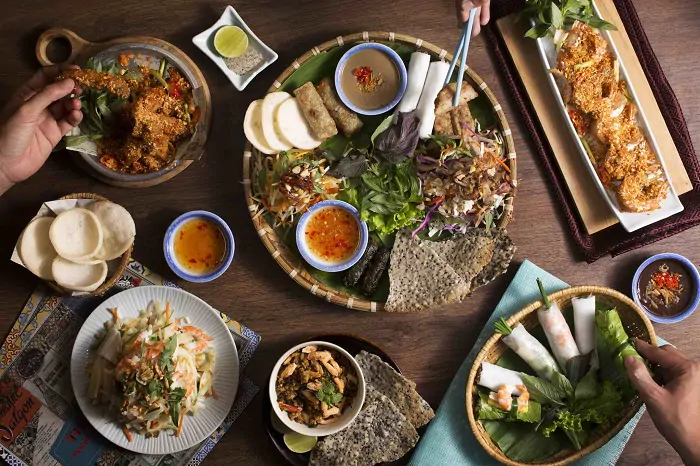
When people think about Vietnamese food culture, they often imagine pho, banh mi, or fresh spring rolls. However, one of the most fascinating things about Vietnam is that the cuisine changes dramatically from one region to another.
As you travel from North to South, you will notice differences in flavor, ingredients, cooking styles, and eating habits. Food in Hanoi tastes very different from food in Hue or Ho Chi Minh City. Each region has developed its own culinary identity shaped by history, geography, climate, and local lifestyle.
In general:
- Northern Vietnam is known for delicate and balanced flavors.
- Central Vietnam is famous for spicy and bold dishes.
- Southern Vietnam offers sweeter and richer cuisine.
Understanding these differences helps travelers experience Vietnam more deeply through its food.
Why Does Vietnamese Food Taste Different in Each Region?
Vietnam stretches over 1,600 kilometers from North to South, creating major differences in climate and agriculture.
- The North has four seasons and cooler winters.
- The Central region experiences harsher weather conditions and strong heat.
- The South has a tropical climate with fertile farmland and abundant fresh produce.
These environmental differences directly influence local ingredients and cooking styles.
History also plays an important role:
- Northern cuisine is known for its balanced and delicate flavors, focusing on fresh ingredients, light seasoning, and clear broths that reflect the elegance of Hanoi’s culinary traditions.
- Central cuisine, especially in Hue, developed from royal imperial cooking and is famous for its bold, spicy, and richly seasoned dishes.
- Southern cuisine is more diverse and vibrant, blending local traditions with Khmer, Chinese, and French influences while benefiting from the fertile agricultural land of the Mekong Delta. This cultural fusion helped shape the dynamic food scene of Saigon and Southern Vietnam today.
As a result, Vietnamese regional cuisine became incredibly diverse.
Northern Vietnam Food – Light, Delicate, and Balanced
The Characteristics of Northern Cuisine
Northern Vietnamese cuisine focuses on balance and natural flavors rather than strong seasoning.
Compared to other regions:
- Food is usually less spicy
- Dishes contain less sugar
- Broths are often clear and light
- Herbs are used to create freshness and aroma
People in Northern Vietnam value subtle flavors that do not overpower the original ingredients.
Famous Northern Vietnamese Dishes
Pho Hanoi
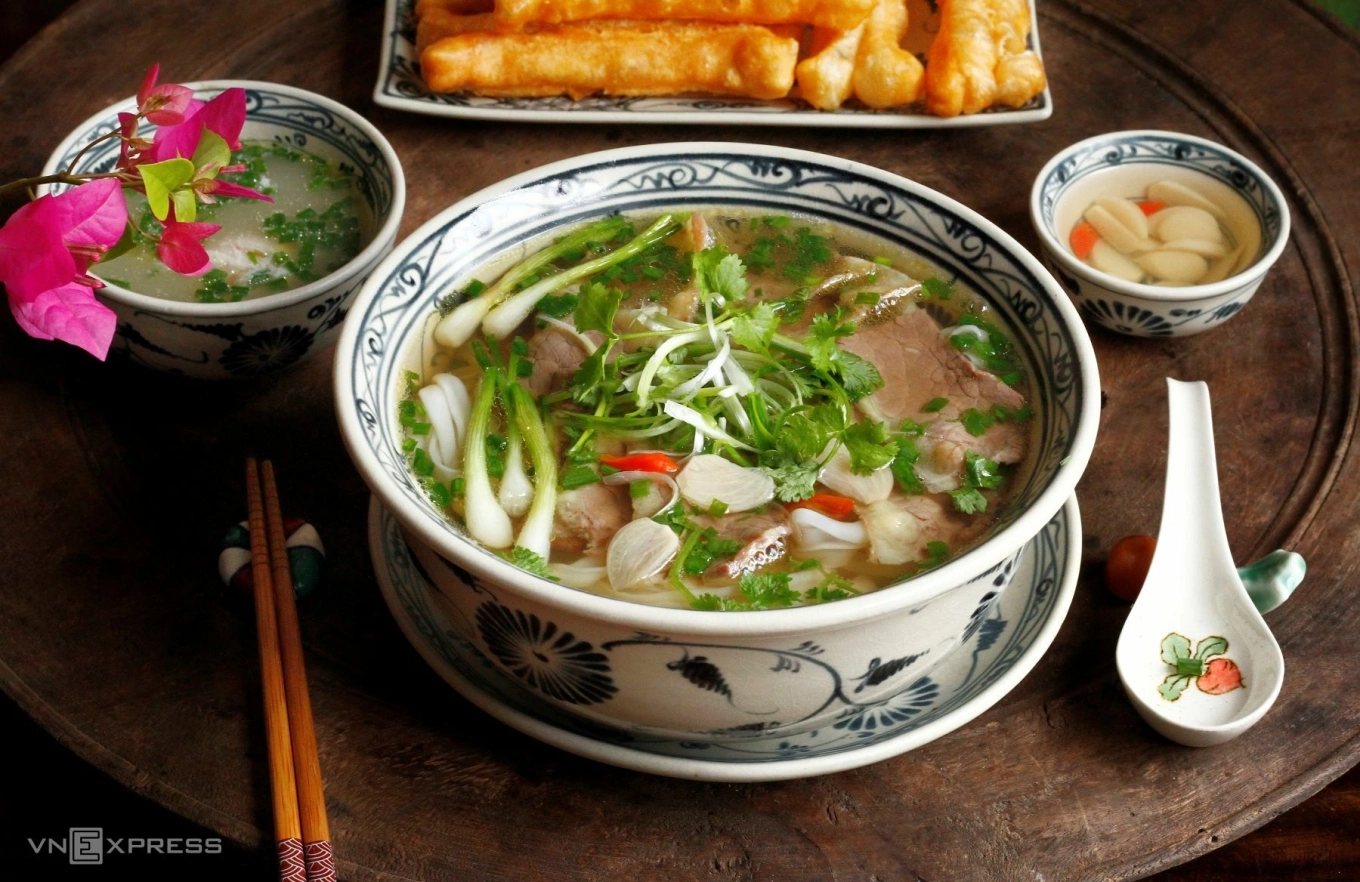
Originating from Northern Vietnam, Pho Hanoi is known for its clear broth and delicate taste. Unlike Southern pho, it contains fewer herbs and less sweetness.
Bun Cha
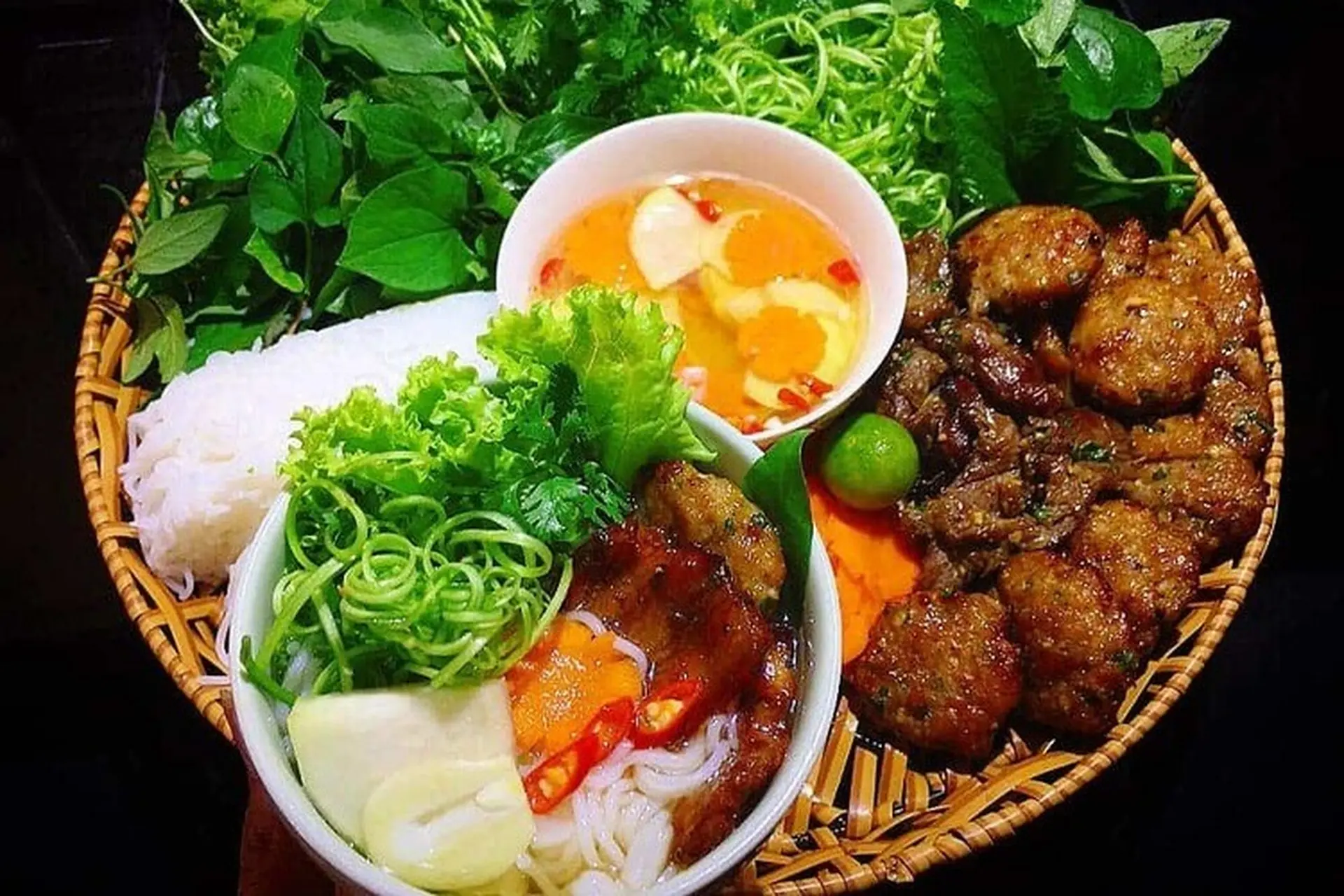
Bun Cha combines grilled pork, rice noodles, fresh herbs, and dipping sauce. It perfectly represents the balanced flavor profile of Northern cuisine.
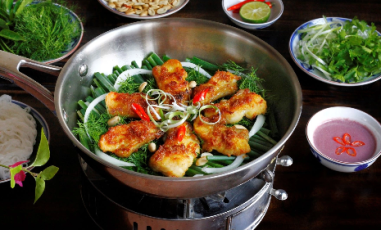
Cha Ca
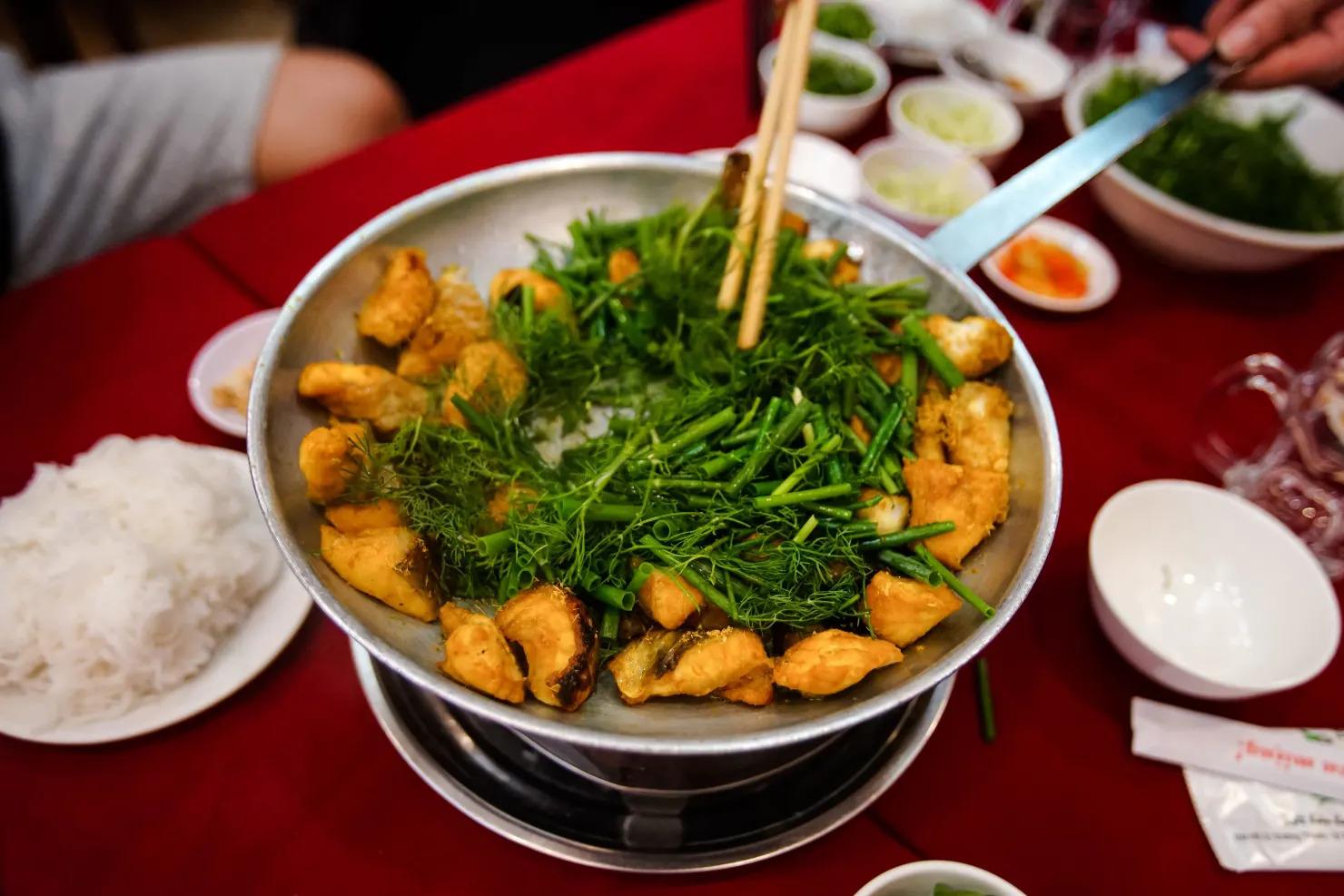
This traditional Hanoi dish features fish cooked with turmeric and dill, highlighting the Northern preference for aromatic herbs rather than heavy spices.
The Dining Experience in Northern Vietnam
Street food culture is especially vibrant in Hanoi. Small local eateries, crowded sidewalks, and steaming bowls of noodles create an authentic atmosphere loved by travelers worldwide.
Many visitors describe Northern cuisine as:
- Elegant
- Refined
- Fresh
- Balanced
Central Vietnam Food – Spicy, Bold, and Rich in Flavor
Why Is Central Vietnamese Food So Spicy?
One of the first things travelers notice about Central Vietnam food is the spice level.
Compared to Northern and Southern cuisine, Central dishes are:
- Spicier
- Saltier
- More intensely seasoned
Cities like Hue, Da Nang, and Hoi An are famous for bold flavors and generous chili use.
There are several reasons behind this:
- Harsh weather conditions historically encouraged stronger seasoning.
- Chili and spices helped preserve food.
- Hue’s royal culinary traditions emphasized rich and sophisticated flavors.
Famous Central Vietnamese Dishes
Bun Bo Hue
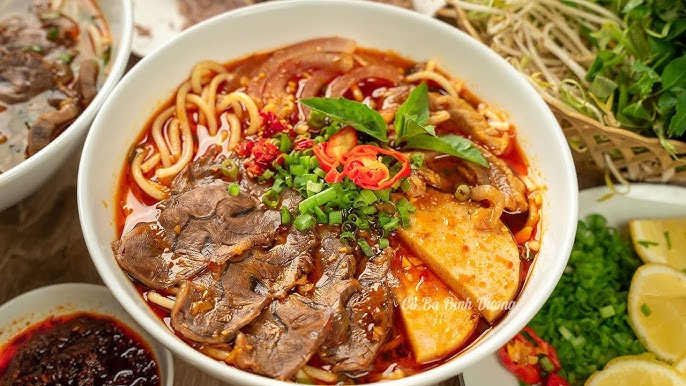
Bun Bo Hue is one of Vietnam’s most famous noodle soups. The broth is rich, spicy, and flavored with lemongrass and chili oil. Many international travelers are surprised by how spicy it can be compared to pho.
Cao Lau
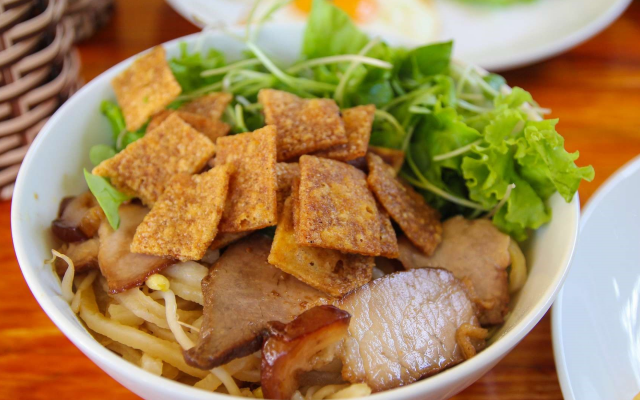
A famous specialty from Hoi An, Cao Lau is made with thick noodles, slices of pork, fresh herbs, and crispy rice crackers. Unlike many Vietnamese noodle dishes, Cao Lau contains very little broth, allowing the rich flavors and unique textures to stand out.
Central-Style Banh Xeo
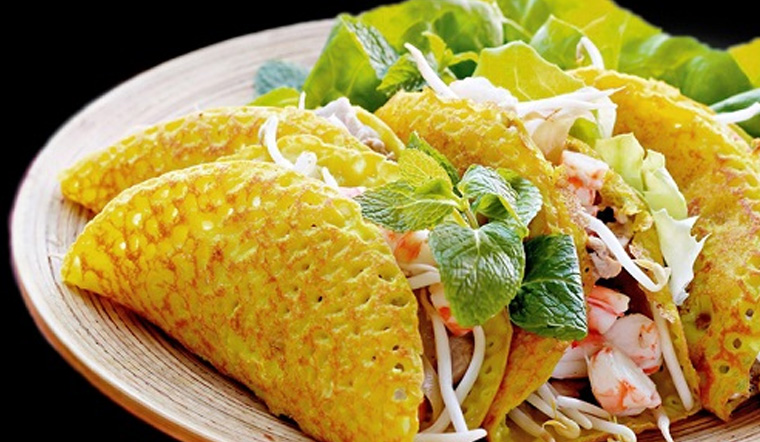
Unlike the Southern version, Central Banh Xeo is usually:
- Smaller
- Crispier
- Less sweet
Hue Royal Cuisine
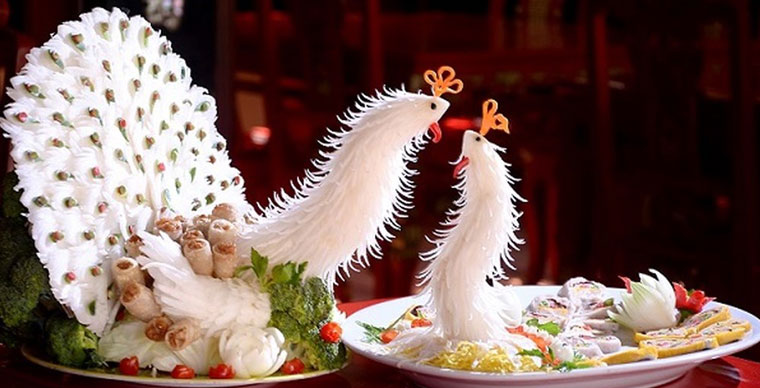
Hue was once the imperial capital of Vietnam during the Nguyen Dynasty. As a result, the city developed an elegant royal cuisine focused on:
- Beautiful presentation
- Detailed preparation
- Complex flavors
Even simple dishes were transformed into artistic culinary creations.
Southern Vietnam Food – Sweet, Rich, and Generous
The Sweet Flavors of Southern Cuisine
Southern Vietnamese cuisine reflects the abundance of the Mekong Delta.
Compared to the North and Central regions, Southern dishes are often:
- Sweeter
- Richer
- More comforting
Ingredients like:
- Coconut milk
- Palm sugar
- Tropical fruits
- Fresh herbs
are commonly used in Southern cooking.
Famous Southern Vietnamese Dishes
Hu Tieu
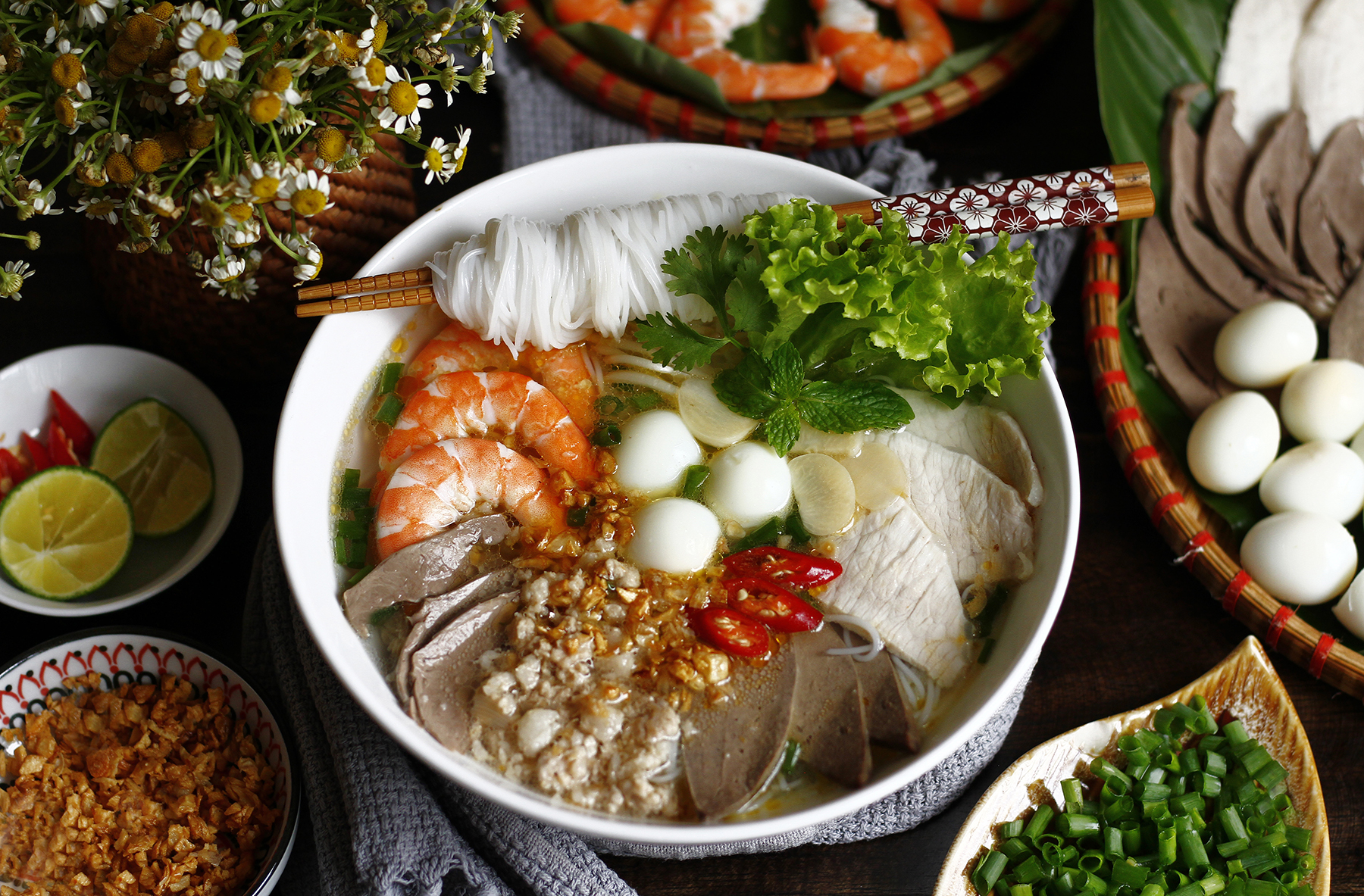
Hu Tieu is a popular noodle dish with Chinese and Cambodian influences. The broth is often slightly sweet and packed with flavor.
Com Tam
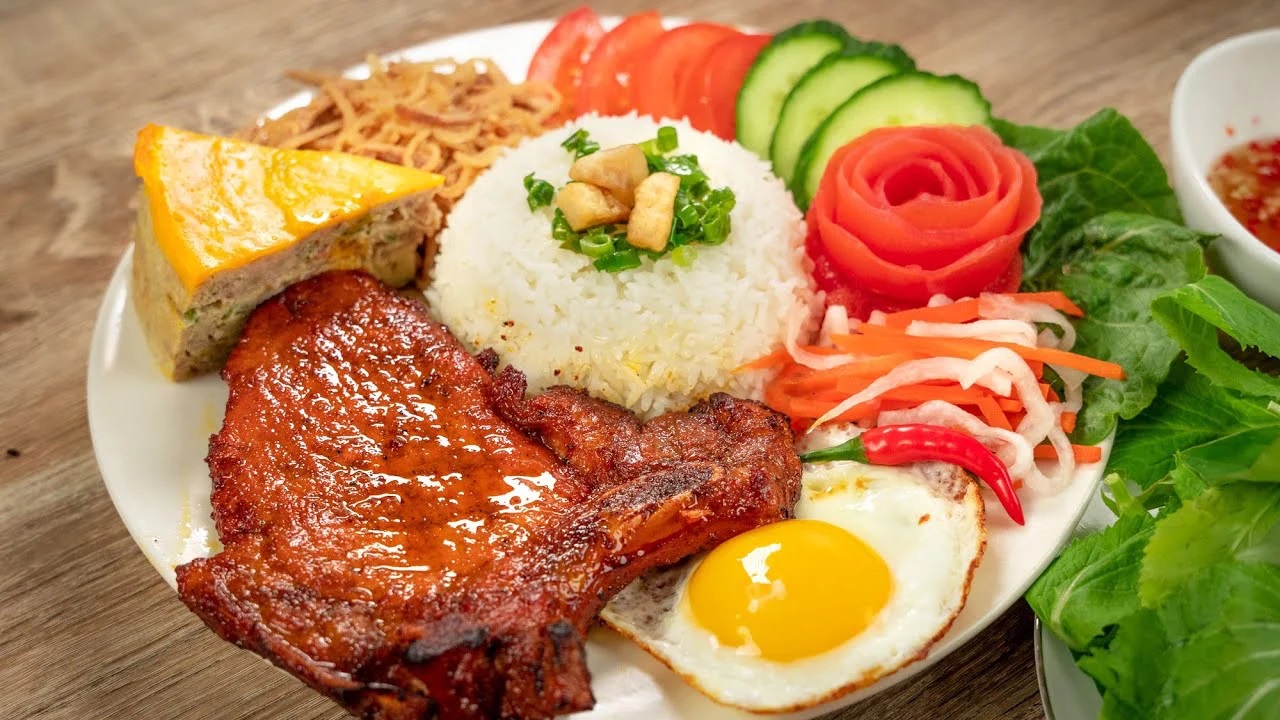
Com Tam, or broken rice, is one of the signature dishes of Ho Chi Minh City. It is usually served with grilled pork, egg, and sweet-savory fish sauce.
Southern Banh Xeo
.jpg)
Southern Banh Xeo is larger and richer thanks to the use of coconut milk in the batter.
Southern Food Culture
Southern Vietnamese meals often feel:
- Abundant
- Colorful
- Friendly
- Comforting
Large plates of herbs and generous portions reflect the openness and hospitality of Southern culture.
How Climate Influences Vietnamese Food Culture
Climate strongly shapes Vietnamese food flavors.
- Cooler weather in the North encourages lighter soups and seasonal dishes.
- Harsh conditions in Central Vietnam contribute to spicy and strongly seasoned cuisine.
- Tropical Southern weather supports year-round agriculture and sweeter ingredients.
This close connection between food and environment makes Vietnamese cuisine deeply regional and unique.
What Travelers Should Know About Vietnamese Regional Cuisine
For international travelers, understanding regional cuisine helps create a richer travel experience.
A bowl of noodles in:
- Hanoi
- Hue
- Ho Chi Minh City
may look similar at first, but the taste can be completely different.
Important Tips for Travelers:
- Northern food is usually lighter and less sweet.
- Central Vietnamese dishes can be extremely spicy.
- Southern cuisine often contains more sugar and coconut milk.
- Local specialties are different in every city.
Trying regional dishes is one of the best ways to explore Vietnam’s culture and daily life.
Conclusion
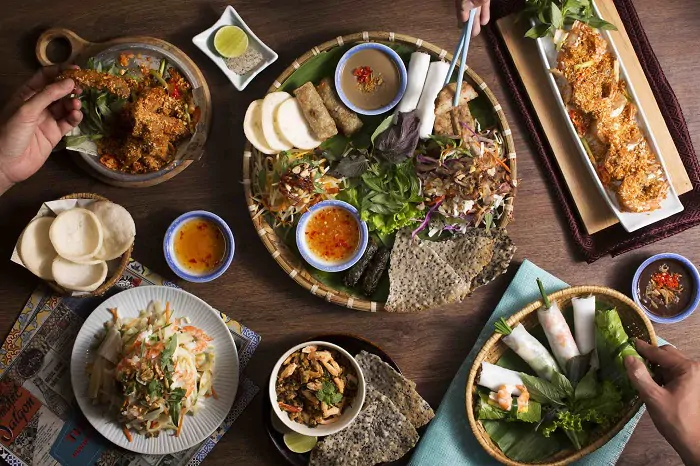
One of the most remarkable aspects of Vietnamese food culture is its diversity.
- Northern Vietnam offers delicate and balanced flavors.
- Central Vietnam impresses visitors with spicy and bold cuisine.
- Southern Vietnam is famous for sweet, rich, and comforting dishes.
Together, these three culinary traditions create one of the most exciting food cultures in the world.
For travelers, discovering Vietnamese regional cuisine is more than simply eating different dishes. It is a journey through Vietnam’s history, geography, traditions, and local way of life.
From the elegant flavors of Hanoi to the spicy specialties of Hue and the tropical richness of Southern Vietnam, every region offers a completely different culinary experience waiting to be discovered.
At Authentik Vietnam, we create personalized and tailor-made journeys designed around your interests and travel style. From hidden street food spots and local markets to authentic cultural encounters and lesser-known destinations, we help you discover the true soul of Vietnam through unforgettable culinary and cultural experiences.
Related Articles:
Best Vietnamese Dishes: A Complete Culinary Guide to Northern, Central and Southern Vietnam
Best Recommended Restaurants in Vietnam : Top Dining in Hanoi, Saigon, Hue & Hoi An
15 Day Vietnam Tour The Ultimate Guide for Every Type of Traveler
Share


Comment
Other Blog

Categories
Latest News


on 12 Jun, 2019





MichaelGuiffSH
on Oct 8, 2026BetongameCZ
on Sep 24, 2026Langsweirt Galliane
on Sep 21, 2026Victoria Duncan
on Sep 1, 2026Kaushik Ghosh
on Aug 30, 2026