 Español
 Français
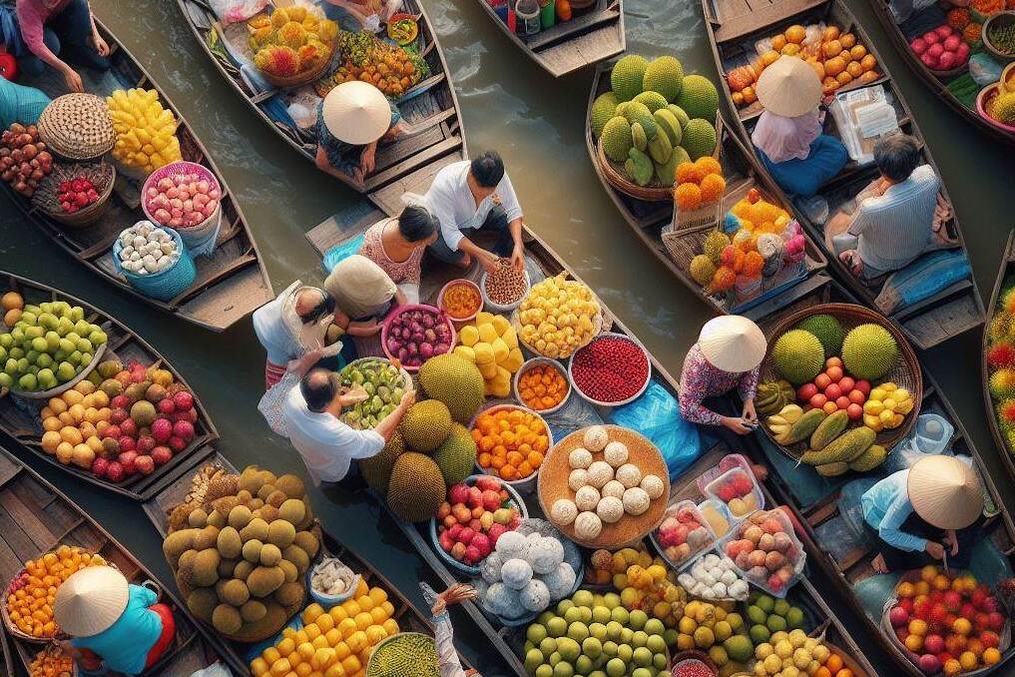
Vietnam Fruit Sanctuary A Complete Guide to Seasonal Flavors
- on Mar 30, 2026 By: Thai An Le
In the heart of Southeast Asia lies a land where the sun, the rain, and the rich soil converge to create something truly miraculous. Vietnam is not just a destination for history buffs or beach lovers. It is a living breathing Vietnam fruit sanctuary. For the discerning traveler seeking authentic vietnamese flavors a journey through our orchards is a sensory odyssey that transcends the simple act of eating.
At Authentik Vietnam we believe that to truly understand a culture you must taste its seasons. From the misty northern peaks to the emerald waterways of the Mekong Delta every Vietnam fruit carries the DNA of its origin. This is a story of the people who nurture the land and the ancient traditions that turn a simple harvest into a national pride.
Northern Vietnam A Chapter of Mist and Sun
The Ruby Plums of Northwest Highlands A Taste of the Mountains
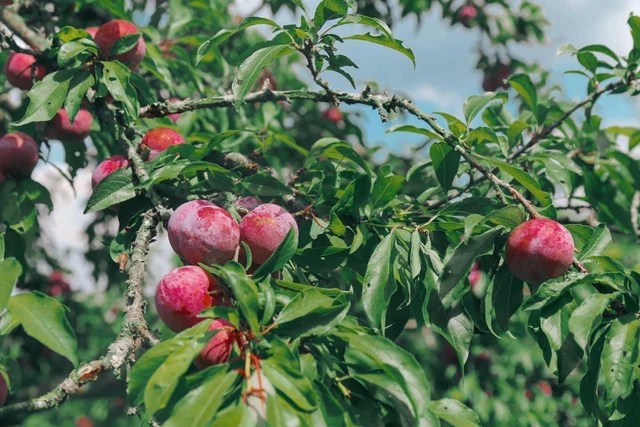
As you travel further into the clouds of Moc Chau or Bac Ha you will find the soul of the northwest highlands in a single Vietnam fruit the Ruby Plum. These orchards are a sight to behold from late May to early July when the trees are heavy with deep purple gems dusted in a natural white bloom. This specific harvest season is the golden time for anyone seeking the most authentic vietnamese flavors in the mountains.
This is sustainable orchard tourism at its finest. Walking through the cool mountain air and hand picking a plum that is perfectly crunchy and tart yet sweet is a core memory for any traveler. Unlike industrial varieties the plums here are a product of the high altitude and the limestone soil. For the traveler who appreciates a complex flavor profile the subtle acidity and the vibrant red flesh of the Bac Ha plum offer a refreshing contrast to the summer heat. If you plan your journey in June you will witness the peak of the harvest where the local markets are overflowing with these mountain treasures.
The Lychee of Luc Ngan A Red Sea of Sweetness
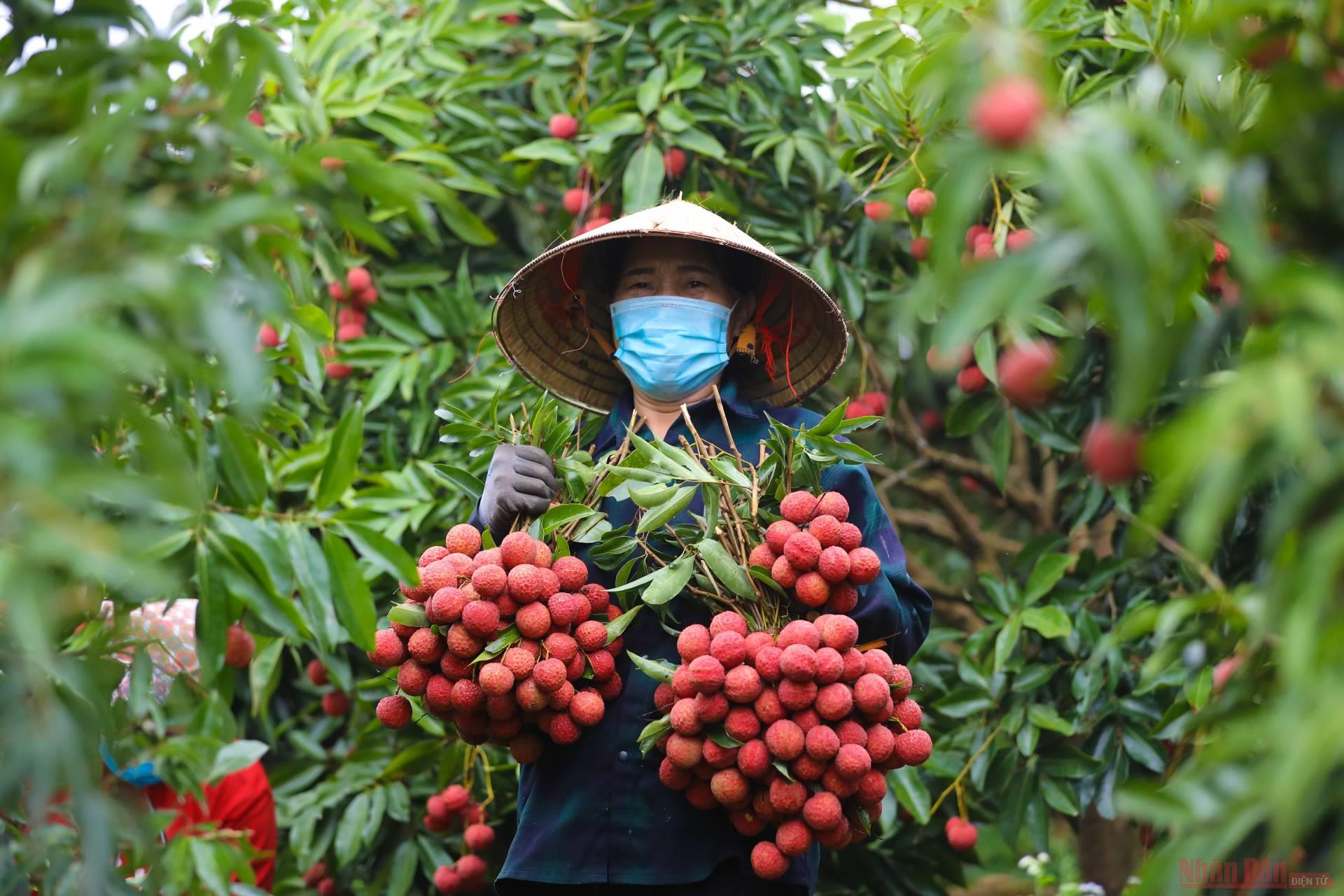
When June arrives Northern Vietnam transforms into a sea of red. The district of Luc Ngan in Bac Giang province becomes the epicenter of the world’s finest lychee. But what makes this Vietnam fruit so special? It is the terroir. The combination of hilly terrain and the distinctive microclimate creates a fruit with a thin skin and a floral sweetness that lingers on the palate like a fine wine.
For a sustainable orchard tourism experience visiting these lychee hills during the peak harvest from June to July is essential. You will see farmers balancing on wooden ladders hand picking each cluster with a precision passed down through generations. The Luc Ngan lychee is celebrated for its thick white flesh and a tiny seed a mark of true quality that international travelers find absolutely captivating. Whether you are a food enthusiast or a cultural explorer this seasonal wonder is a must see highlight of any authentic vietnamese journey.
The Golden Longan of Hung Yen A Royal Legacy
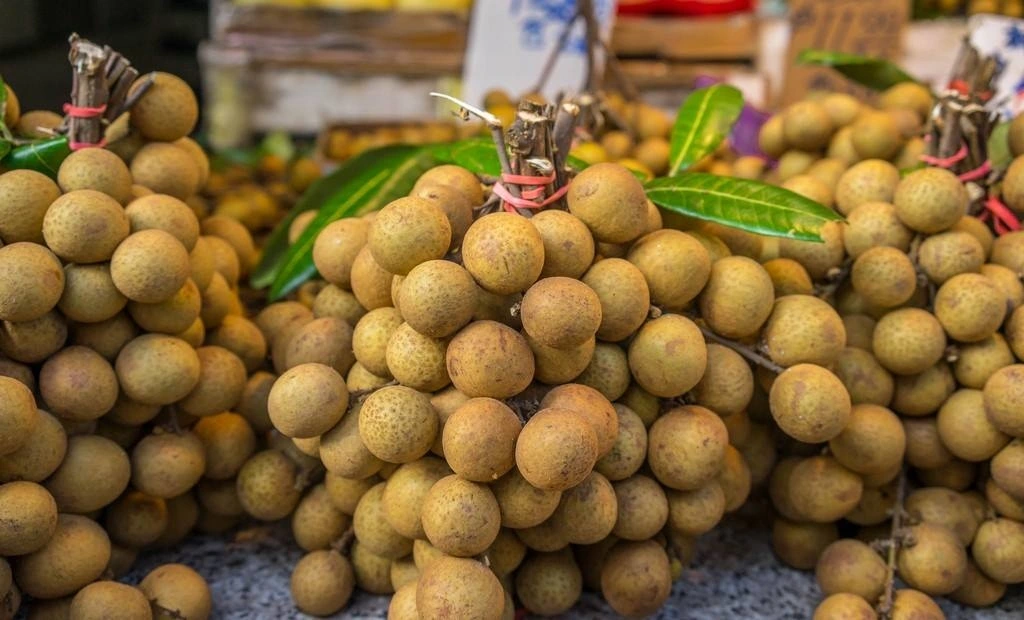
Stepping into the ancient gardens of Hung Yen is like walking back in time. Known as the King of Fruits in the northern plains this iconic Vietnam fruit has a history that dates back to the royal courts of old. These are not just trees they are living heirlooms some over a century old. If you visit from August to September you will witness the peak of the harvest season when the trees are heavy with clusters of golden brown fruit.
The Hung Yen Longan is famous for its thick translucent pulp and its honey like sweetness that carries a delicate floral aroma. It is a fruit of patience and refinement. In the local culture the best way to savor this harvest is in a bowl of Longan lotus seed soup a sophisticated dessert that embodies the Slow and Deep philosophy of northern gastronomy. For international travelers this is an essential stop for any authentic vietnamese flavors seeker who wants to understand the elegance of our culinary heritage during the late summer months.
The Mekong Delta The Mother of All Vietnam Fruit Orchards
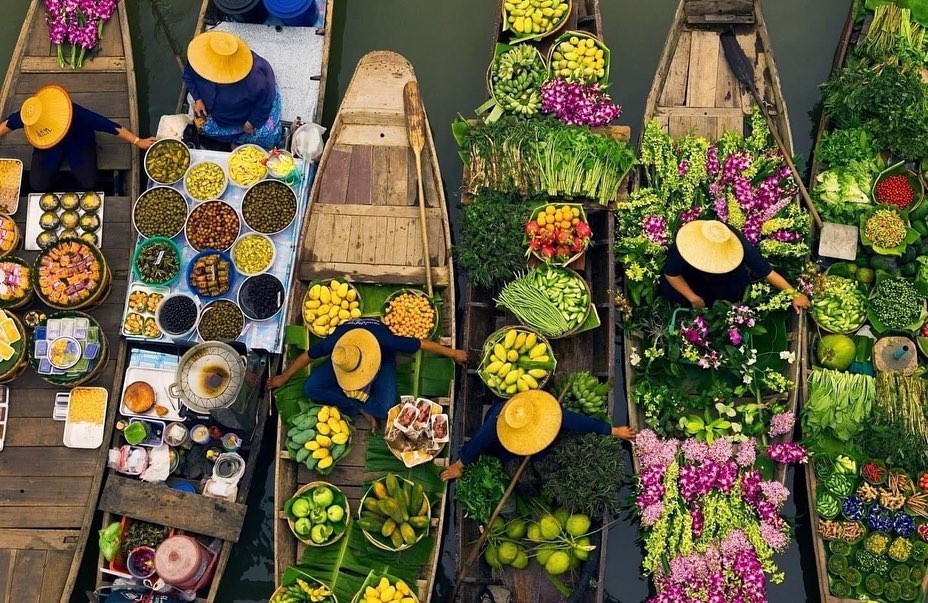
If the North is about the precision of seasons the Mekong Delta is about the generosity of nature. Known as the rice bowl of the country this region is also a paradise for any Vietnam fruit lover. The silt deposited by the Mekong River creates a soil so fertile that almost anything can grow year round making it a year round destination for authentic vietnamese flavors.
The King and Queen of Tropical Fruits Durian and Mangosteen
A Mekong Delta fruit tour is incomplete without visiting the legendary orchards of Cai Mon in Ben Tre or the lush gardens of Vinh Long. From May to August these provinces become the stage for the two most celebrated stars of the region the Durian and the Mangosteen.
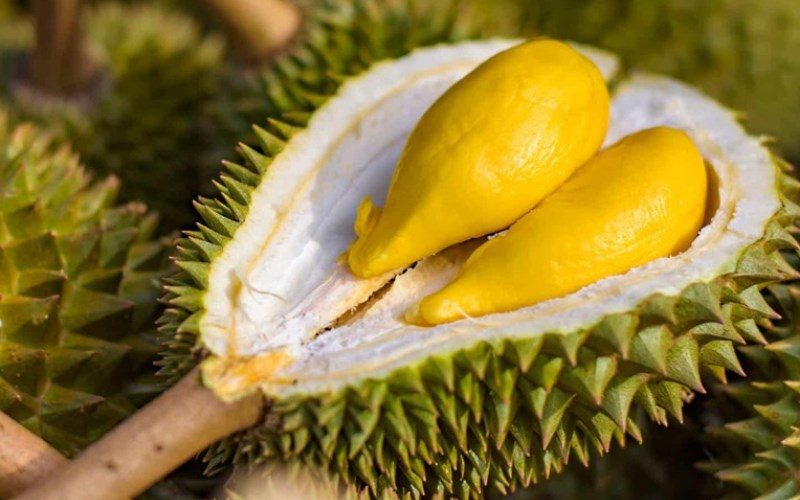
Known as the King of Fruits the Vietnamese Durian especially the Ri6 variety offers a creamy buttery texture and a bold aroma that challenges and rewards the most adventurous foodies. To balance this intensity nature provides the Mangosteen often called the Queen of Fruits. Available during the same harvest season the mangosteen offers a refreshing acidity and snow white flesh that perfectly cools the body from the tropical heat.
The Golden Mangoes of Hoa Loc A Sweet Legacy
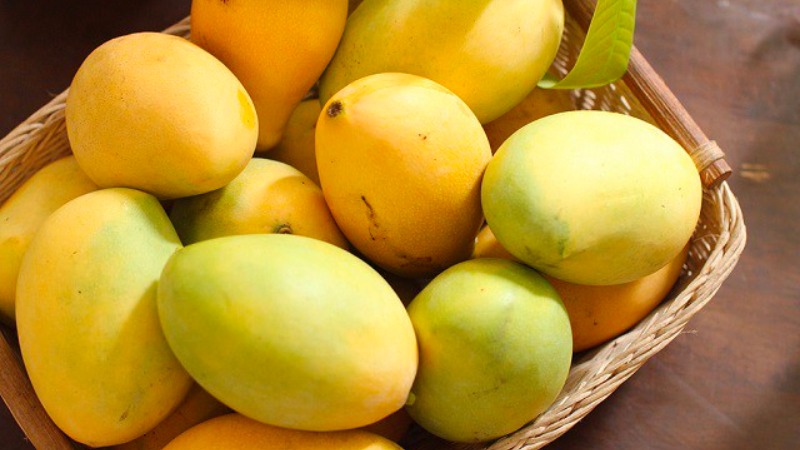
Navigating through the narrow canals of Tien Giang you will find the Hoa Loc Mango perhaps the most famous Vietnam fruit in the southern region. The peak harvest season for these golden gems is from March to May and again in October to December.
The authentic vietnamese flavors of a ripe Hoa Loc Mango are unmatched characterized by an intense aroma and a fiberless flesh that melts in your mouth. Imagine sitting on a small wooden boat and reaching up to pluck a ripe fruit directly from the branch. This is the ultimate luxury for the slow traveler seeking a deep connection with the land and its people.
For international travelers a journey to these orchards during the summer months is a chance to witness sustainable orchard tourism in its most vibrant form where every bite tells a story of the river and the sun.
The Art of Vietnam Fruit Gastronomy Beyond the Sweetness
To master the art of eating in this country you must look beyond the dessert plate. In the local culture Vietnam fruit is a versatile ingredient that bridges the gap between sweet and savory. We often embrace the contrast of flavors to create a sensory experience that is uniquely authentic vietnamese.
How do Vietnamese people enjoy their fruits?
A popular way to enjoy a Vietnam fruit like green Mango or Guava is by dipping it in a spicy blend of chili salt. This combination of sour salty and spicy awakens the senses and is a staple of local street food culture. For the international traveler this unexpected pairing is often a highlight of their culinary journey offering a refreshing kick that perfectly complements the tropical climate.
Fruit in Savory Cuisine The Masterpiece of Balance
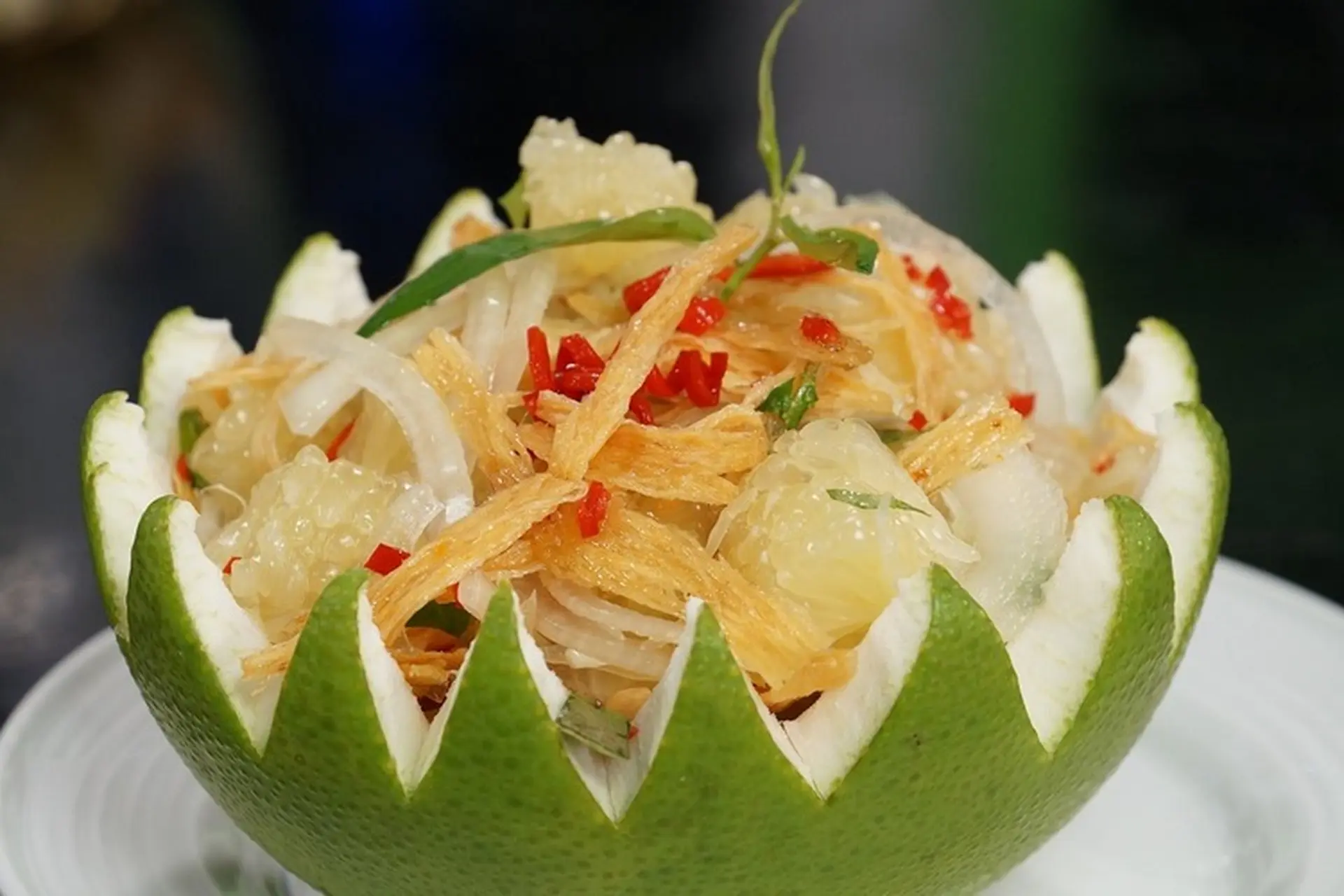
Furthermore every seasonal Vietnam fruit plays a vital role in our savory traditional dishes. The famous Pomelo salad or Goi Buoi is a masterpiece of balance. It combines the subtle bitterness of the pomelo with the sweetness of fresh shrimp the crunch of peanuts and the deep umami of fish sauce.
This level of sophistication is what makes vietnamese gastronomy a world class experience. Whether it is using Jackfruit in a vegetarian stew or adding Pineapple to a sour soup each dish reflects a deep understanding of how to harmonize the natural gifts of the land. For anyone seeking authentic vietnamese flavors exploring these savory fruit dishes is an essential part of a sustainable orchard tourism itinerary.
Conclusion
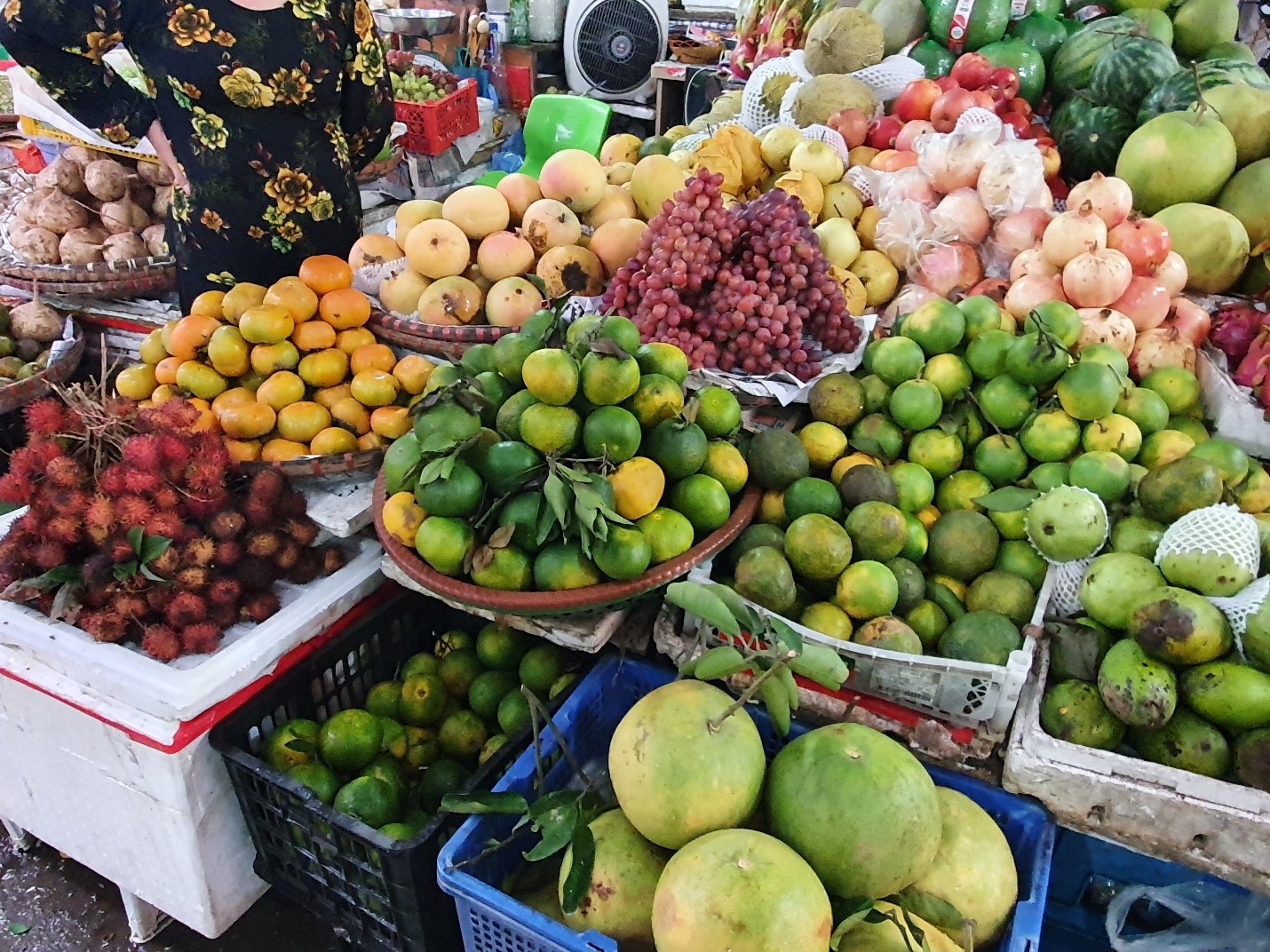
A journey through the Vietnam fruit orchards is more than just a culinary tour. It is an invitation to witness the harmony between nature and the resilient spirit of the Vietnamese people. From the mist covered peaks of the North to the sun drenched waterways of the Mekong Delta every harvest tells a story of heritage and heart. Whether you are savoring a Luc Ngan lychee in June or discovering the royal legacy of the Hung Yen longan you are partaking in a tradition that has flourished for centuries.
At Authentik Vietnam we are dedicated to bringing you closer to these authentic vietnamese flavors. Our mission is to go beyond the typical tourist paths and lead you into the heart of sustainable orchard tourism. We believe that the best way to travel is to slow down and taste the seasons as they unfold.
Are you ready to experience the vibrant colours and the delicate sweetness of a Vietnamese fruit sanctuary? Let Authentik Vietnamcurate a personalized culinary journey that speaks to your senses. Join us as we explore the hidden gems of our land where every bite is a celebration of life and every orchard is a sanctuary of peace.
FAQs
1. Do I need to visit specific orchards to taste these fruits?
The short answer is no. You can find almost every type of Vietnam fruit in local wet markets or modern supermarkets across the country from Hanoi to Ho Chi Minh City. However visiting the actual orchards in regions like the Mekong Delta or Northern Vietnam offers a completely different level of freshness. While markets are convenient choosing a Vietnam fruit according to its peak harvest season directly from the source is always tastier and more affordable. It is also the best way to support sustainable orchard tourism and connect with local farmers.
2. What is the best month to enjoy a variety of Vietnam fruit?
While you can find delicious fruits year round the period from May to August is considered the golden season for Vietnam fruit. This is when the most iconic tropical treasures like Lychee, Durian, Mangosteen, and Rambutan are at their peak of flavor and ripeness. If you are a true fruit lover planning your culinary journey during these summer months will offer the most vibrant variety of authentic vietnamese flavors
3. Is it safe for international travelers to eat fruit from local markets?
Yes it is generally safe and highly recommended for international travelers to explore the local fruit scene. To ensure a healthy authentic vietnamese journey we suggest choosing fruits that you can peel yourself such as Mango, Pomelo, or Dragon fruit. If you are buying pre cut fruit in a wet market look for vendors with high turnover and clean displays. Washing whole fruits with bottled water before consuming is also a wise practice for a sustainable travel experience.
4. Can I bring Vietnam fruit back to my home country?
Exporting fresh Vietnam fruit is subject to strict international agricultural regulations. Most countries have firm bans on bringing fresh produce across borders to prevent the spread of pests. However you can still take the taste of your culinary journey home by purchasing high quality dried fruits or fruit jams. These processed products are widely available and make excellent gifts for friends while complying with most customs requirements.
Related Articles:
The 10 exotic fruits to taste during your trip to Vietnam
Southwest Vietnam, itinerary suggestion
Top 5 Hidden Gems in Vietnam You Must Visit in 2026
Flights to Vietnam 2026-2027: How to Find Cheap Flights & Best Time to Book
Vietnam Tour 2026-2027: Where to go? Which itinerary? What to do? How many days?
Share


Comment
Other Blog





Categories
Latest News


on 12 Jun, 2019





MichaelGuiffSH
on Oct 8, 2026BetongameCZ
on Sep 24, 2026Langsweirt Galliane
on Sep 21, 2026Victoria Duncan
on Sep 1, 2026Kaushik Ghosh
on Aug 30, 2026